8 Misleading Diet Foods That Are Undermining Your Weight Loss Goals
Some foods wear the word “diet” like a shiny badge, but the truth on the plate can be far less impressive. A product can look light, clean, low-fat, sugar-free, or fitness-friendly and still quietly push your calories higher, increase cravings, or leave you hungry an hour later.
Healthy weight loss still comes down to a realistic pattern of eating, movement, sleep, and consistency, not a cart full of clever labels. The CDC notes that weight loss usually depends on reducing calorie intake and staying physically active, while the NIDDK also emphasizes portion control and careful reading of nutrition labels.
Low-Fat Yogurt
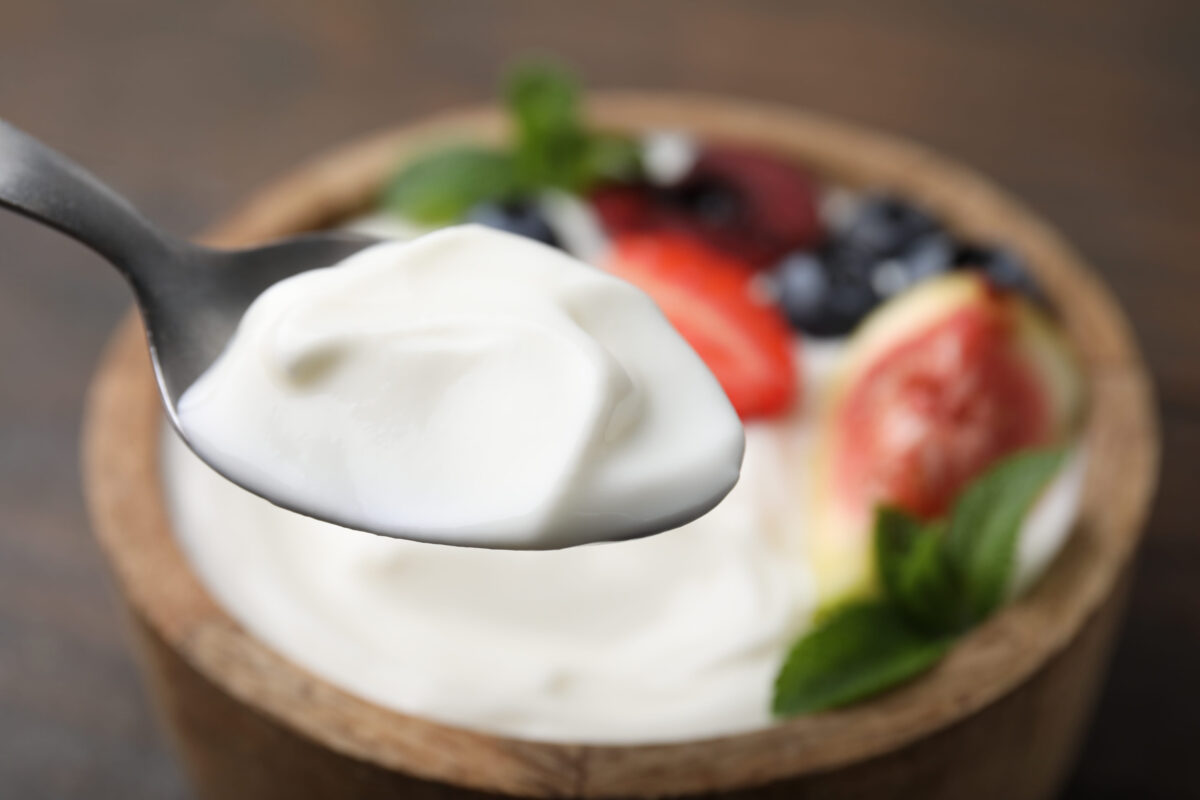
Low-fat yogurt sounds like a smart choice, but many flavored versions replace fat with sugar, syrups, or sweet fruit blends.
That small cup can turn into a dessert while wearing gym clothes. Fat also helps with fullness, so a yogurt that removes most of it may leave you hunting for snacks soon after. The better choice is plain Greek yogurt with real fruit, cinnamon, or a small spoonful of nuts. You still get protein, creaminess, and flavor without letting added sugar sneak into your breakfast.
Granola
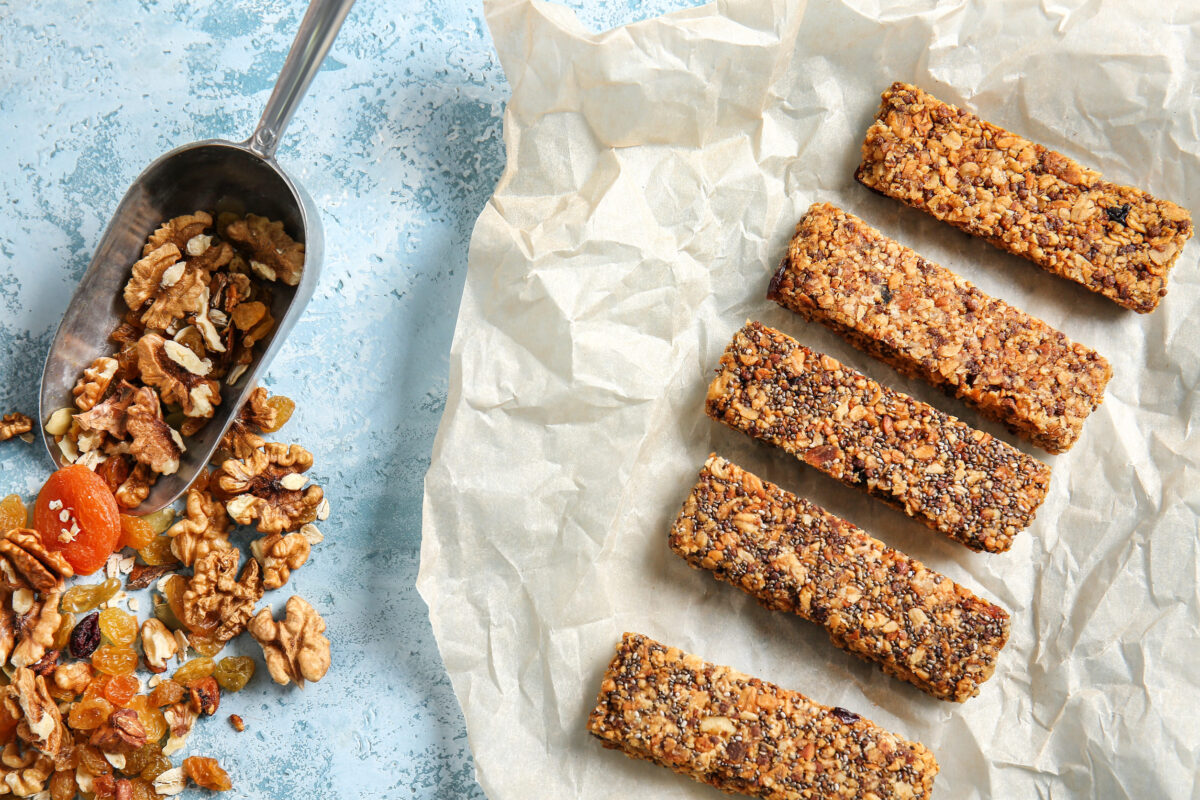
Granola has one of the biggest health halos in the grocery aisle. It looks earthy and wholesome, but many brands are dense with oil, honey, sugar, chocolate chips, coconut flakes, and dried fruit.
The serving size is usually much smaller than people think, so a “little bowl” can quickly become a calorie bomb. Granola is not bad, but it needs discipline. Sprinkle it over yogurt instead of filling the bowl with it. Treat it like a topping, not a main meal.
Smoothies
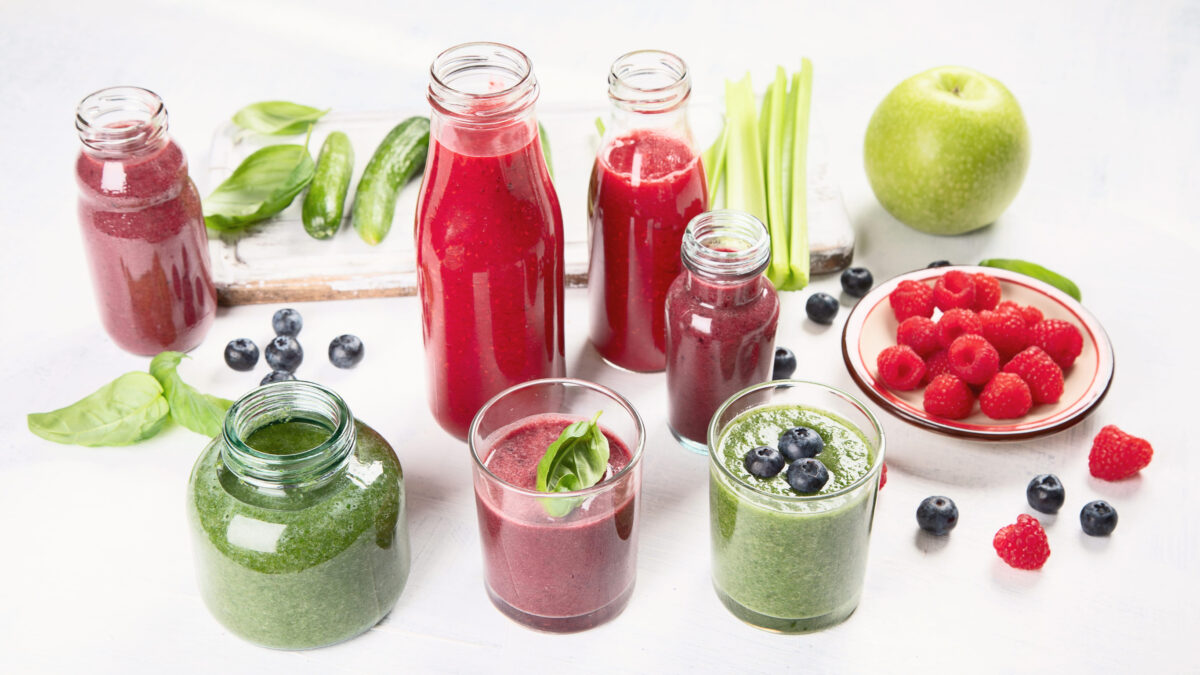
Smoothies can be helpful, but store-bought versions often contain fruit juice, sweetened yogurt, honey, flavored protein powders, and huge portions of fruit. Drinking calories can also feel less filling than chewing food, which makes it easier to consume more than planned.
A smoothie made with spinach, berries, unsweetened Greek yogurt, and water can support weight loss. A giant tropical smoothie with juice and syrup can work against it. The problem is not the blender. The problem is what goes inside it.
Protein Bars
Protein bars can save you on a busy day, but many are closer to candy bars with better marketing. Some contain chocolate coatings, sugar alcohols, syrups, palm oils, and enough calories to replace a full meal, even though people eat them as snacks.
The word “protein” can make a bar sound automatically healthy, but the label may tell a different story. Look for bars with enough protein, fiber, and simple ingredients. Better still, use whole foods like boiled eggs, tuna, cottage cheese, or nuts when you can.
Diet Soda
Diet soda has little or no sugar, which makes it attractive for people trying to cut calories. Still, it can keep your taste buds locked into very sweet flavors, making it harder to enjoy plain water or naturally sweet foods.
The World Health Organization released guidance advising against using non-sugar sweeteners as a tool for body-weight control, especially as a long-term strategy. Diet soda is not magic, and it should not become the foundation of a weight-loss plan. Water, sparkling water, unsweetened tea, or fruit-infused water are better daily habits.
Veggie Chips
Veggie chips sound like vegetables, but most are still salty, crunchy snacks. Many are made from potato starch, oils, powders, and flavorings, with only a small amount of real vegetables. They can also be easy to overeat because they feel healthier than regular chips.
If you want crunch, try carrots, cucumber, air-popped popcorn, roasted chickpeas, or homemade baked vegetable slices. The goal is to eat food that fills you, not snacks that trick you into thinking you made a better choice.
“Skinny” Coffee Drinks
A skinny latte or low-calorie coffee drink can still carry flavored syrups, whipped toppings, sweeteners, and large portions of milk.
Coffee itself is not the issue. The extras are where the trouble begins. A morning drink can quietly add calories before your day has even started, then leave you craving something sweet later. Choose plain coffee, unsweetened iced coffee, or coffee with a measured splash of milk. If you need flavor, cinnamon or vanilla extract can help without turning your cup into dessert.
Dried Fruit
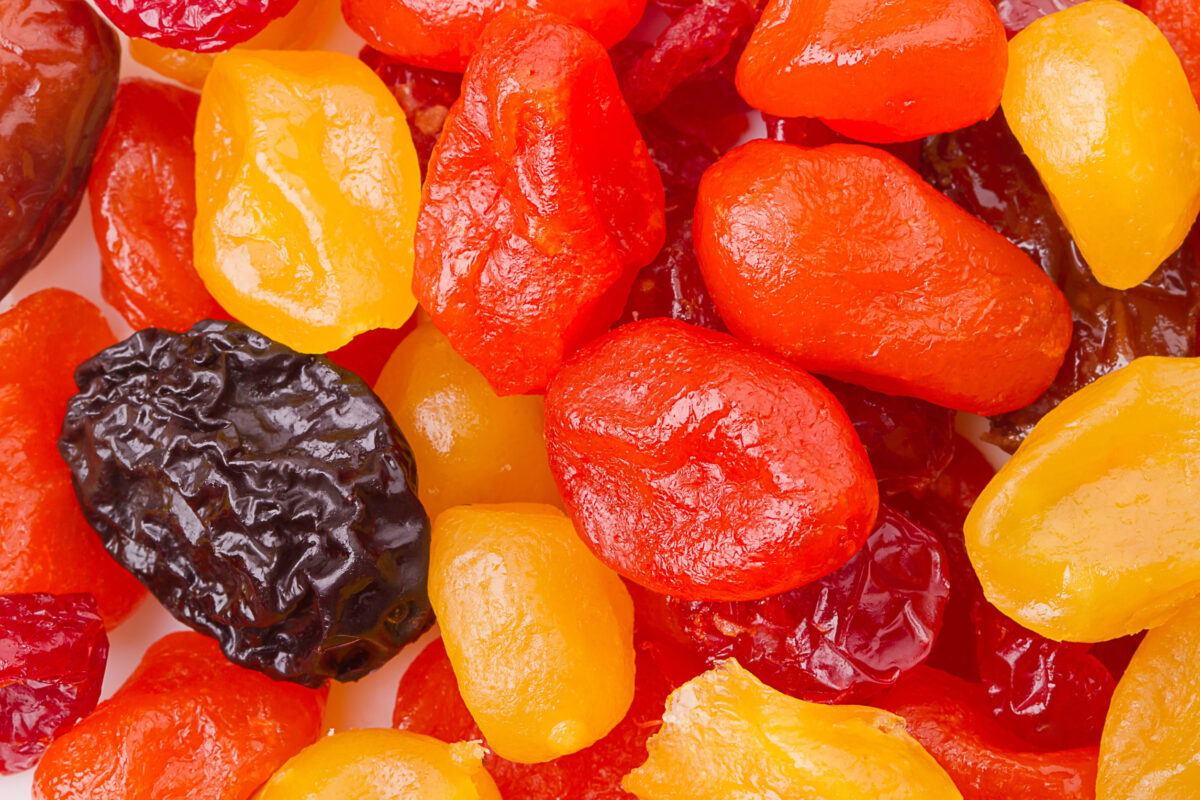
Dried fruit sounds innocent because it comes from real fruit, but it is easy to overeat. Removing water shrinks the fruit, concentrates the sugar, and makes a small handful feel less satisfying than a fresh apple, orange, or bowl of berries.
Some dried fruits also contain added sugar, especially cranberries, pineapple, and mango. The FDA requires added sugars to appear separately on Nutrition Facts labels, which makes checking the label important. Dried fruit can fit into a healthy diet, but portion size matters. Fresh fruit is usually more filling.
Conclusion
The most misleading diet foods are not always obvious. They often sit in the “healthy” section, use clean-looking packaging, and promise a shortcut your body does not recognize. Low-fat, sugar-free, protein-packed, and plant-based labels can help, but they can also distract you from calories, portion size, protein, fiber, and fullness.
Weight loss becomes easier when you stop eating by front-label promises and start reading the full story on the nutrition label. Choose foods that keep you satisfied, support steady energy, and fit into a routine you can actually maintain. The best diet food is not the one with the loudest claim. It is the one that helps you stay consistent without feeling tricked, hungry, or defeated.