Iran Threatens to Close More Trade Routes as U.S. Strikes Push the Gulf Toward a Wider War
The battle over one narrow waterway is threatening to become a much larger fight over global trade.
Iran has warned that it could disrupt additional energy-export routes after the United States renewed its naval blockade of Iranian ports and launched fresh strikes against coastal defenses, missile facilities and military positions. The escalation places the Strait of Hormuz and potentially another critical shipping passage at the center of a confrontation with consequences far beyond the Middle East.
What began as another round of attacks and retaliation is now raising a more dangerous question: how many of the world’s most important trade routes could become part of the conflict?
Fresh U.S. Strikes Raise the Pressure on Tehran

U.S. Central Command said American forces began another wave of strikes against Iran on Wednesday morning. The operation targeted coastal defense systems and cruise-missile storage and launch sites on Greater Tunb Island near the Strait of Hormuz.
The strikes lasted about 90 minutes and followed a much longer operation on Tuesday, when the United States said it attacked dozens of military targets across Iran’s coastal regions during seven hours of bombing. Washington said the goal was to weaken weapons and systems used to threaten commercial ships.
Iranian officials reported military and civilian casualties from the latest attacks. The country’s Health Ministry said more than 35 people had been killed and over 300 wounded during several days of U.S. airstrikes, although it did not provide a full breakdown between civilians and combatants.
Iran Warns the Crisis May Spread Beyond Hormuz
Iran’s Islamic Revolutionary Guard Corps responded with a threat aimed at the wider regional economy. It warned that other export corridors serving the United States and its allies could be closed if the American blockade continued.
Tehran has not provided a detailed list of the routes it could target. However, analysts believe the warning may include the Bab el-Mandeb Strait, which connects the Red Sea to the Gulf of Aden.
That passage is a major route for cargo and energy shipments traveling between Europe and Asia. Blocking or destabilizing it while traffic through Hormuz remains restricted would place two essential maritime chokepoints under simultaneous pressure.
Iran could attempt to increase pressure near Bab el-Mandeb through the Houthis in Yemen, a group it has supported. Commercial vessels had only begun returning to Red Sea routes after earlier Houthi attacks forced many shipping companies to make the much longer journey around southern Africa.
The Strait of Hormuz Remains the Main Prize
The Strait of Hormuz is one of the most strategically important waterways on Earth. Before the current war, roughly one-fifth of the world’s oil and natural-gas trade passed through it.
That concentration gives Iran enormous leverage. Disruptions can reduce global energy supplies, increase shipping insurance costs, and force tankers onto less efficient routes.
The United States has struggled to restore regular shipping since Iran restricted the passage early in the conflict. During an interim agreement reached in June, some vessels began using a route closer to Oman under U.S. military supervision. Recent Iranian attacks on ships using that corridor helped trigger the renewed blockade and airstrikes.
American forces said they redirected two commercial vessels attempting to enter or leave Iranian ports within 17 hours of reinstating the blockade. That enforcement effort adds another layer of risk for shipping companies already navigating missile attacks, drone threats and rapidly changing military restrictions.
Gulf Nations Are Being Pulled Into the Fighting
Iran said it launched retaliatory attacks against American military targets in Bahrain, Kuwait and Jordan. All three countries host U.S. forces, making them vulnerable whenever the conflict expands beyond direct attacks between Washington and Tehran.
Missile warnings sounded in Bahrain and Kuwait, while Jordan said its military intercepted three incoming Iranian missiles. Iran’s Revolutionary Guard claimed responsibility for attacks against targets in all three countries.
These attacks increase the possibility that regional governments could become more deeply involved. Gulf nations depend heavily on stable energy exports, secure ports, and predictable shipping routes. They also host American military facilities that Tehran views as part of the U.S. war effort.
The conflict therefore places them in an increasingly difficult position: they need Washington’s protection but risk becoming direct targets because of that relationship.
Trump Threatens Bridges and Power Plants
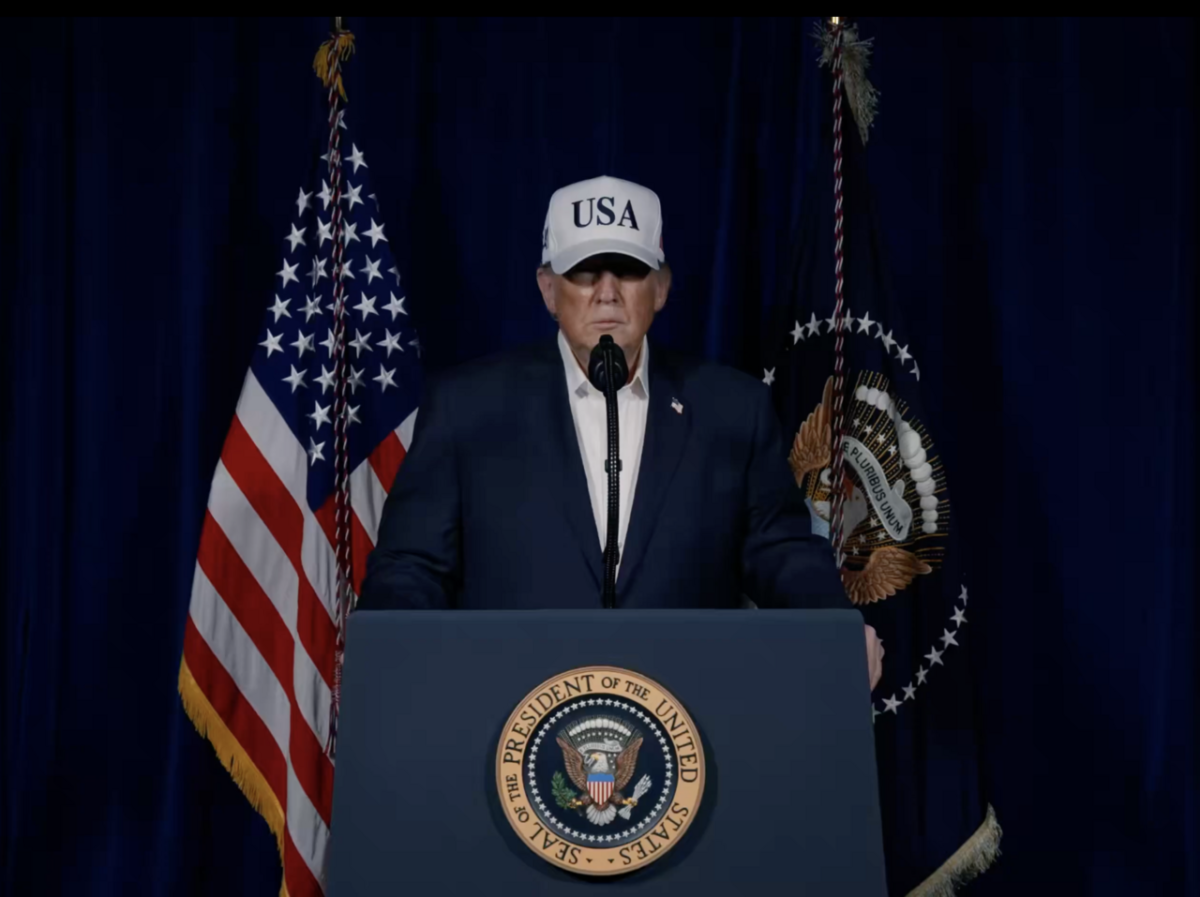
President Donald Trump has warned that the United States could expand its target list if Iran refuses to return to negotiations.
Trump said American forces could strike Iranian bridges and power plants, describing energy infrastructure as a possible next stage of the campaign. He presented the threat as pressure on Tehran to make a deal, but attacks on civilian infrastructure would significantly intensify the conflict.
Iranian officials have said they are currently focused on defense rather than negotiations. Mohammad Baqer Qalibaf, Iran’s parliamentary speaker and leading negotiator, described the confrontation as an “existential war” while also arguing that Iran should not completely abandon diplomacy.
That mixed message suggests Tehran wants to demonstrate military resolve without permanently closing the door to talks.
Oil Markets Are Calm for Now
Despite the alarming military developments, oil prices fell on Wednesday. Brent crude dropped to about $83.62 per barrel, while U.S. West Texas Intermediate declined to roughly $78.53.
Traders appeared to believe that energy supplies were stabilizing and that both sides might continue limiting the scale of their attacks. Markets have also become cautious about reacting too strongly to threats that may never be carried out.
That calm could disappear quickly. Gulf oil exports reportedly fell below half of their pre-war level during the previous week. Goldman Sachs warned that Brent crude could rise above $110 later in 2026 if exports fail to recover.
A prolonged interruption would affect far more than fuel prices. Transportation, manufacturing, food production, and fertilizer costs could all rise as energy supplies tighten.
One More Miscalculation Could Change Everything
The United States and Iran still appear to be applying pressure in calculated stages rather than launching every available weapon. Yet each new strike makes that restraint harder to maintain.
Iran is threatening to widen the economic battlefield. The United States is warning that civilian infrastructure could be next. Gulf countries are intercepting missiles, while commercial ships are navigating between blockades and military attacks.
The Strait of Hormuz remains the immediate center of the confrontation, but the greater danger lies in what comes after it. Should Iran attempt to disrupt Bab el-Mandeb or another export corridor, the crisis would no longer be a battle over one waterway.
It would become a struggle over the arteries that keep the global economy moving.