Do Not Let September Tomatoes Go to Waste. Make These Seven Easy Kitchen Staples
Late-Season Tomatoes Are Worth Saving
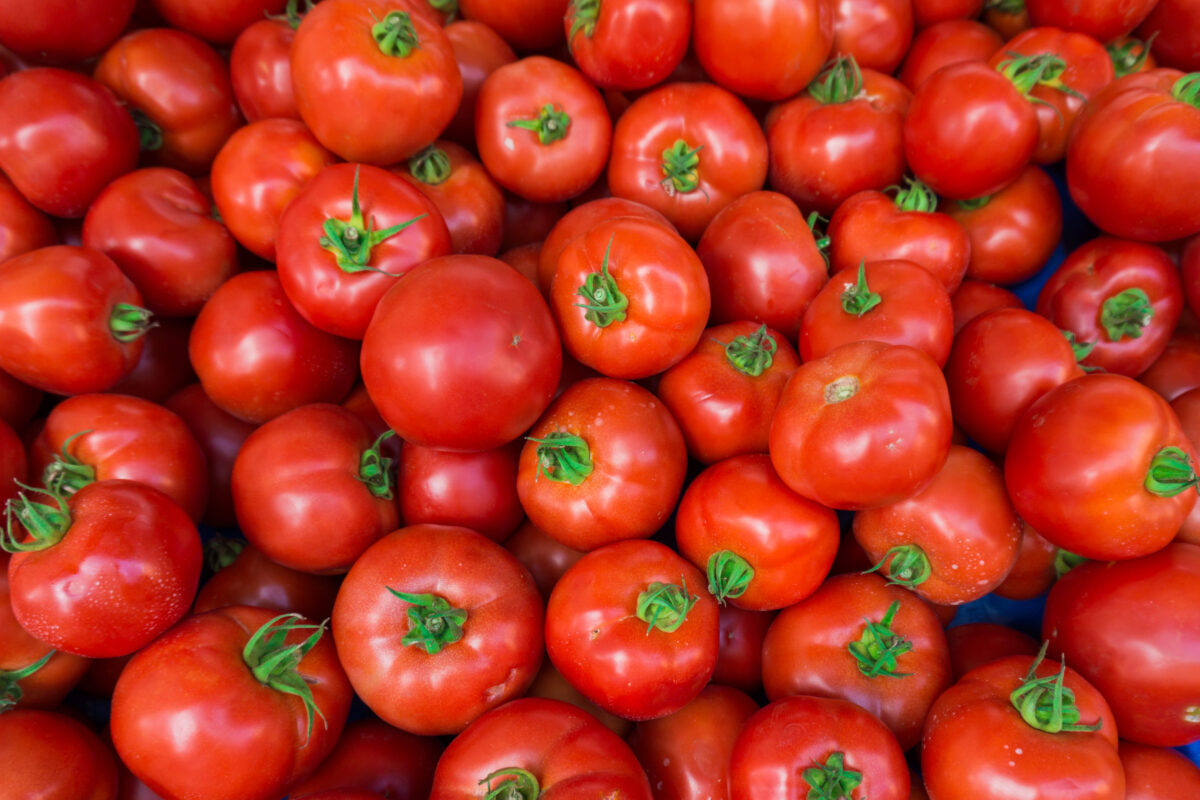
As summer moves toward fall, tomatoes often reach one of their most useful moments in the kitchen. Gardens and farmers’ markets can still supply ripe tomatoes, while home cooks may have more fruit than they can use right away. Instead of letting extra tomatoes soften on the counter, cooks can turn them into sauces, spreads, soups, and freezer-ready ingredients that extend their usefulness well beyond the harvest season.
Recent food coverage has continued to highlight creative ways to use abundant tomatoes. The New York Times Cooking section has featured tomato-based recipes, including preparations that combine roasted tomatoes with ingredients such as chorizo, showing how the fruit can serve as the foundation for bold sauces and salsas. The broader lesson is simple: tomatoes do not need to be used only in salads or sandwiches. With basic cooking techniques, they can become building blocks for future meals.
The key is preservation through cooking. Roasting, simmering, blending, and freezing can help transform a large supply of tomatoes into convenient ingredients for weeks ahead.
Roast Tomatoes for a Fast Sauce Base
Roasting is one of the easiest ways to concentrate ripe tomatoes’ flavor. When tomatoes are exposed to heat, some water evaporates, leaving a deeper flavor and softer texture.
You can make a basic roasted tomato sauce by combining halved tomatoes with olive oil, garlic, onions, salt, and herbs, then roasting until the tomatoes soften. You can blend the finished mixture into pasta sauce, spoon it over vegetables, or use it as a base for soups and stews.
Roasted tomatoes are also useful because they require little active preparation. Once they are in the oven, cooks can prepare other parts of a meal or save the batch for later.
Turn Tomatoes Into Salsa With Chorizo, Peppers, or Herbs
Tomatoes naturally work well in fresh and cooked salsas because their acidity balances rich ingredients. A salsa can be as simple as chopped tomatoes, onions, herbs, and peppers, or it can become a more substantial topping with cooked ingredients such as chorizo.
Chorizo adds fat, seasoning, and smokiness, creating a salsa you can serve with bread, tortillas, eggs, beans, or rice. Other additions, including roasted peppers, cilantro, parsley, or basil, can change the flavor depending on what is available.
Tomato salsa’s advantage is its flexibility. No single formula is required, and the recipe can adapt to the ingredients already in the kitchen.
Freeze Cooked Tomato Sauce for Future Meals
Freezing is one of the simplest ways to preserve cooked tomatoes without relying on traditional canning methods. Divide a batch of tomato sauce into meal-size portions and store it for later.
Freezer-friendly portions make it easier to prepare quick meals later. A container of tomato sauce can become the starting point for pasta, pizza, soups, casseroles, or braised dishes.
For best results, cool cooked tomato sauces safely before freezing. Food safety agencies recommend handling cooked foods carefully, including refrigerating leftovers promptly and using appropriate storage containers. The USDA advises refrigerating perishable leftovers within two hours and using suitable containers to help food cool quickly.
Make a Simple Tomato Confit
Tomato confit is a slow-cooked preparation that uses gentle heat to soften tomatoes and concentrate their flavor. Although the word “confit” is traditionally associated with foods preserved in fat, modern tomato confit recipes often involve slowly cooking tomatoes with olive oil, garlic, and herbs.
The result is a rich mixture you can use in many ways. You can spread tomato confit on toast, stir it into pasta, add it to sandwiches, or serve it alongside roasted meats and vegetables.
Because the tomatoes are cooked slowly, this method is especially useful for tomatoes that are ripe but beginning to lose their firmness.
Use Overripe Tomatoes in Soup
Soft tomatoes are often at their best when cooked. Discard spoiled or moldy tomatoes, but ripe tomatoes too soft to slice can still add flavor to soups.
A simple tomato soup can combine cooked tomatoes with onions, garlic, broth, and herbs. Blend the mixture until smooth or leave it with a more rustic texture.
Tomato soup also freezes well, making it another practical way to preserve a large tomato harvest. A batch prepared at the end of summer can provide an easy meal option when fresh tomatoes are no longer available.
Blend Tomatoes Into Dressings and Drinks
Tomatoes can also move beyond traditional sauces. Use blended tomatoes as the base for vinaigrettes, adding acidity, color, and fresh flavor to salads and grain dishes.
They can also be used in tomato-based drink mixers. A homemade Bloody Mary-style mixture can include blended tomatoes, citrus juice, spices, and seasonings. This gives an alternative use for extra tomatoes while creating a flavorful beverage ingredient.
These preparations demonstrate why tomatoes remain such a valuable kitchen staple: they can shift between sauces, condiments, drinks, and main dishes.
Add Tomatoes to Easy Weeknight Meals
One of the simplest ways to use extra tomatoes is to add them directly to everyday meals. Tomatoes can improve dishes that rely on inexpensive pantry ingredients such as eggs, beans, pasta, and rice.
Fold cooked tomatoes into scrambled eggs or omelets, stir them into beans for a quick meal, mix them with pasta, or add them to rice dishes. These combinations require minimal prep while bringing fresh produce into affordable home cooking.
Late-season tomatoes are especially useful because they bring flavor to simple meals without requiring complicated recipes.
Safe Storage Matters When Preserving Tomatoes
Making the most of tomato season does not require risky preservation methods. Store cooked tomato dishes safely in clean containers, then refrigerate or freeze them promptly.
Home cooks should be careful with shelf-stable canning. Proper canning requires tested procedures, correct acidity levels, and appropriate processing methods. Improvising ways to store low-acid foods at room temperature can create food safety risks. The USDA notes that shelf-stable foods require proper treatment to control microorganisms that can cause spoilage or illness.
For most home kitchens, freezing cooked sauces, refrigerating short-term portions, and following established food safety guidance are practical ways to preserve tomatoes.
A Small Ingredient With Big Possibilities
The end of tomato season does not have to mean the end of tomato cooking. With a few simple techniques, a surplus of ripe tomatoes can become a collection of useful kitchen staples.
Whether roasted into sauce, blended into soup, mixed into salsa, or frozen for future meals, tomatoes offer one of the easiest ways to capture late-summer flavor and carry it into the months ahead. The best approach is not complicated preservation, but making smart use of what is already available.