Texas ICE Protest Case Ends in 100-Year Sentence Amid National Outcry
A Fourth of July protest outside an immigration detention center in North Texas has now become one of the most explosive criminal justice stories in America.
On Tuesday, June 23, 2026, Benjamin Hanil Song received a 100-year federal prison sentence after he was convicted in connection with the shooting of an Alvarado police officer during a late-night confrontation outside the Prairieland Detention Center.
We are not looking at a routine protest case. We are looking at a collision between immigration politics, law enforcement, terrorism-related prosecution, armed protest, and the limits of First Amendment protection when prosecutors say a demonstration turned into an organized attack.
The sentence immediately pushed the case far beyond Alvarado, a city south of Fort Worth. It became a national warning, a political symbol, and a legal controversy all at once.
Supporters of the prosecution see the punishment as a hard line against violence targeting federal facilities and police. Defense attorneys and civil liberties critics see the case as a dangerous expansion of terrorism language into protest activity.
What Happened Outside Prairieland Detention Center
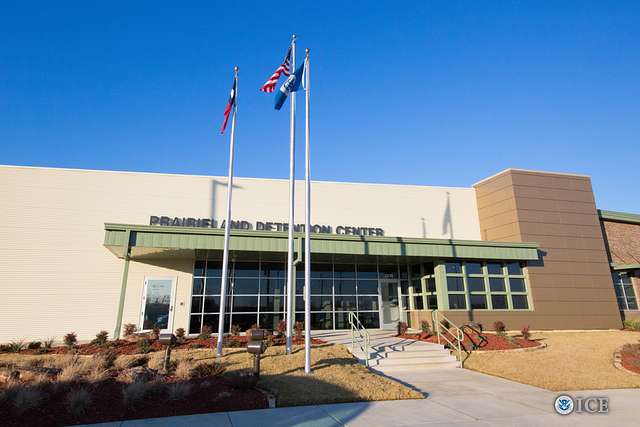
According to federal prosecutors, the confrontation unfolded late at night on July 4, 2025, after a group arrived at the Prairieland Detention Center in Alvarado, Texas.
Prosecutors said participants wore dark clothing and face coverings, brought firearms, body armor, first aid kits, and fireworks, and damaged property at or near the facility.
The government’s version of events was severe. Prosecutors said the group fired or threw fireworks, vandalized vehicles and a guard shack, punctured tires, damaged surveillance equipment, and created a dangerous scene that drew local police to the facility.
The most serious moment came after an Alvarado police officer responded. Prosecutors said Song opened fire and wounded the officer.
Federal authorities described the officer as assisting federal personnel at the facility, which helped drive the seriousness of the attempted murder conviction.
Defense attorneys offered a different picture of the broader gathering. They argued that several participants expected a protest in support of immigrants held at the detention center, not a violent confrontation. They also disputed the government’s claim that the defendants were part of an organized antifa cell.
That distinction now sits at the heart of the story. The government framed the night as a planned attack on law enforcement and a federal facility.
The defense framed it as a protest that spiraled into a criminal act by one person, with others punished far beyond their individual conduct.
Benjamin Song’s 100-Year Sentence
Benjamin Hanil Song received the longest sentence: 100 years in prison. He was convicted of attempted murder of a law enforcement officer and other charges tied to firearms, explosives, riot activity, and material support allegations.
The 100-year sentence matters because it sends a blunt message about how federal courts may treat violent conduct connected to political protest.
In ordinary public debate, people may describe a clash as a protest, a riot, or an attack depending on their politics. In court, the labels became much more consequential.
Federal prosecutors said Song was not merely present. They described him as a leader and organizer. The Justice Department said trial evidence showed he distributed firearms, recruited members, coordinated activity, and played a central role in the events leading up to the shooting.
Song’s attorney has said he intends to appeal. That appeal will likely challenge not only the length of the sentence, but also the legal theory that placed the wider group inside a terrorism-related prosecution.
For now, the sentence stands as one of the most dramatic outcomes in a protest-related case in recent American memory. A man who prosecutors said fired on law enforcement will likely spend the rest of his life in prison unless an appeal, sentence reduction, or future legal development changes the outcome.
The Other Sentences: Decades Behind Bars
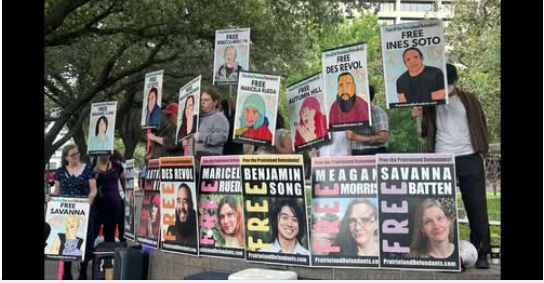
Song was not the only defendant sentenced on June 23, 2026. Seven others received prison terms ranging from 30 to 70 years.
Maricela Rueda received a 70-year sentence. Cameron Arnold received a 50-year sentence. Savanna Batten received 50 years. Zachary Evetts received 50 years. Bradford Morris received a 50-year sentence. Elizabeth Soto received 50 years. Daniel Rolando Sanchez-Estrada received 30 years.
The Justice Department said the sentences totaled 450 years for the eight defendants sentenced that day. Another defendant, Ines Soto, was granted a continuance and was scheduled for sentencing on July 1, 2026. Several others had already pleaded guilty before trial and were expected to be sentenced.
The length of the sentences is why the case has drawn such strong reactions. A 100-year sentence for the person convicted of shooting an officer is one part of the story. The 50-year sentences for defendants whose lawyers say they did not fire a weapon are another.
That gap is where the legal and public debate will live. Prosecutors say the defendants were part of a coordinated violent operation.
Defense lawyers say the government swept too broadly and converted association, protest politics, encrypted chats, and presence at the scene into life-altering prison terms.
Why Prosecutors Called It Terrorism
The Justice Department’s language was forceful. Federal officials described the case as a terrorist attack on an ICE-related facility and said the defendants were affiliated with antifa.
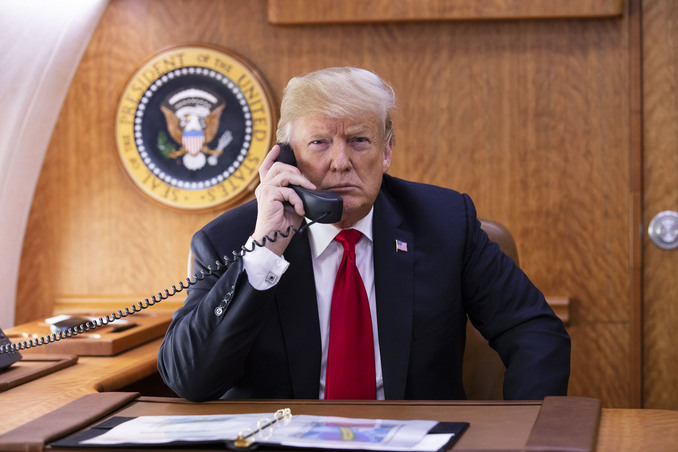
The department also connected the case to President Donald Trump’s September 2025 executive order designating antifa as a domestic terrorist organization.
That framing gave the case enormous political weight. It was no longer just a shooting case. It became a test of how the federal government could use terrorism-related charges in the domestic protest context.
Prosecutors said trial evidence showed planning, coordination, weapons, concealment, and intent.
They pointed to encrypted messages, alleged reconnaissance, body armor, firearms, fireworks, and dark clothing used to hide identities. They argued that the group’s conduct went far beyond protected speech or peaceful assembly.
The terrorism label is powerful because it changes how the public understands the case. A protester may be seen as misguided, angry, or disruptive.
A terrorist is seen as a threat to public order itself. Once prosecutors placed the case in that category, the moral and legal stakes became much higher.
The defense pushed back hard. Attorneys denied that the defendants were part of a true antifa organization. They argued that antifa is not a single centralized group in the way many people imagine, and they said the government used ideology to make the defendants appear more dangerous than their individual actions proved.
The Free Speech Debate Around the Case
This case sits on the uncomfortable border between protected protest and criminal violence. The First Amendment protects speech, assembly, and political expression. It does not protect attempted murder, vandalism, firearms offenses, or attacks on police.
That part is clear. The harder question is how far liability can extend when a group gathers for a political demonstration, and only some people commit the most violent acts.
Prosecutors argued that the broader conduct showed coordinated intent. Defense attorneys argued that some defendants did not know violence would occur, did not bring guns, did not participate in the shooting, or were not part of the alleged planning.
Why the Case Matters Beyond Texas
The Prairieland case matters because it comes during a period of intense national conflict over immigration enforcement. ICE facilities have become symbols in America’s larger battle over deportation, detention, border policy, and executive power.
For supporters of strict immigration enforcement, the case confirms a fear that anti-ICE activism can cross into organized violence.
For civil liberties advocates, the case raises a different fear: that the government may use terrorism language to chill protest movements and criminalize association.
That is why this story has drawn attention far outside Johnson County and Fort Worth. It is not just about what happened at one detention facility. It is about how the federal government defines extremist threats inside the United States.
It also comes at a time when protest policing is under intense scrutiny. Across the country, demonstrations over immigration, war, policing, and political power have tested the line between lawful dissent and public disorder.
This case gives federal prosecutors a dramatic precedent to cite when protest activity includes weapons, property damage, or alleged coordination.
At the same time, defense attorneys and rights groups will likely use the case as a warning. They will argue that political books, group chats, clothing, protest attendance, and ideological language must not be treated as substitutes for proof of violent intent.
The Bottom Line
The Prairieland Detention Center case is now bigger than one Texas courtroom. It is a story about a wounded officer, a 100-year sentence, a federal crackdown, a disputed antifa label, and the uneasy line between protest and political violence.
We should not blur the facts. A police officer was shot, and the person convicted of firing received the harshest punishment.
We should also not ignore the broader legal concern raised by decades-long sentences for other defendants whose individual roles are already being challenged by their lawyers.
That is why this case will not end with sentencing. It will move into appeals, political debate, civil liberties arguments, and future federal prosecutions.
For the government, it is a warning that violence near federal facilities will bring crushing consequences. For critics, it is a warning that protest cases can become terrorism cases when politics, fear, and prosecution strategy collide.
Either way, the message from Texas is unmistakable: the Prairieland case has become one of the defining courtroom battles over immigration protest, domestic extremism, and the limits of dissent in America.