Riverview hot-car tragedy exposes hidden breakdowns in memory, routine, and child-safety systems.
A 3-year-old boy’s death inside a parked car in Riverview, Florida, has reignited a national conversation that goes far beyond heat and vehicles; it reaches into human memory, daily routine, and the fragile systems meant to protect children when attention slips.
Authorities in Hillsborough County confirmed the child was found unresponsive inside a parked vehicle on a Saturday night in June 2026 and was later pronounced dead at a nearby hospital. While investigators continue to review the timeline, the case has already become part of a troubling national pattern of pediatric vehicular heatstroke deaths that return every summer across the United States.
What makes this tragedy especially difficult to process is not only the outcome but also the conditions surrounding it: a familiar environment, a routine moment, and a danger that develops silently within something most families use every day without hesitation.
The hidden breakdown: when routine overrides memory
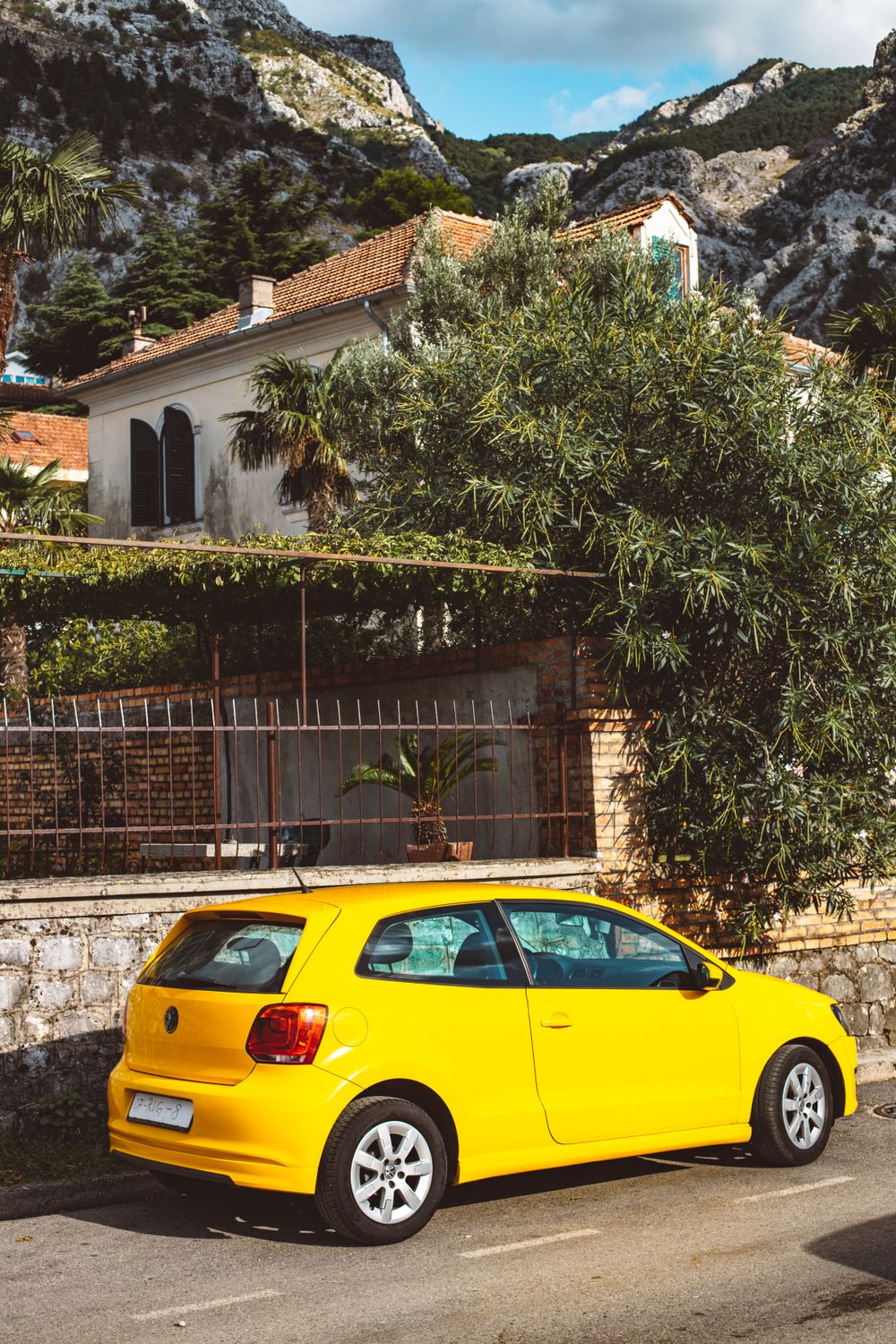
Most discussions about hot car deaths focus on forgetting. But the deeper issue is not simple forgetfulness; it is routine override.
Human memory does not operate like a recording device. It switches into autopilot during repetitive behavior such as commuting, daycare drop-offs, or running errands. When that autopilot is interrupted by stress, lack of sleep, schedule changes, or multitasking, the brain can default to its strongest habit pattern rather than reality.
In cases like Riverview, the danger window often begins here:
- A change in routine (who drives, what stop comes first, a delayed schedule)
- Cognitive overload (work pressure, family responsibilities, distractions)
- A silent back seat (sleeping child or rear-facing seat)
The result is a mental gap where intention and action split. The adult believes the child has been dropped off safely, even when they have not.
This is why experts often describe these tragedies not as negligence events, but as memory-system failures under stress.
The silent child effect: why danger is invisible inside the car
A key factor in many pediatric heatstroke cases is silence.
Unlike older children or adults, toddlers in car seats:
- Do not initiate conversation.
- May fall asleep quickly during rides
- They are often positioned rear-facing and visually hidden.
- Can become lethargic in rising heat without obvious movement
Inside a closed vehicle, silence creates a dangerous illusion: nothing appears wrong from the driver’s perspective because there are no cues demanding attention.
This is reinforced by modern vehicle design itself. Thick insulation, sealed doors, and noise reduction technology make it harder to hear subtle sounds from the back seat once the engine is off.
The danger is not only physical but also perceptual. The brain assumes the absence of a signal equals the absence of risk.
The thermal trap effect: how a parked car becomes a fast-moving hazard
A parked vehicle behaves less like a container and more like a heat amplifier.
Even in conditions described as “normal summer weather,” several physical processes begin immediately once the doors close:
- Solar radiation enters through the glass and warms the interior surfaces.
- Heat becomes trapped and cannot escape efficiently.
- Interior materials (car seats, dashboards, seat belts) store and re-radiate heat
- Humidity prevents sweat from cooling the body effectively.
The critical misconception is that heat builds slowly. In reality, the first 10 to 30 minutes are often the most aggressive phase of temperature rise inside a vehicle.
Once internal temperature crosses the threshold where the body can no longer regulate itself, a child’s core temperature can rise rapidly, creating a medical emergency window that narrows quickly.
The “good parent paradox”: why prevention is not about blame
One of the most difficult truths in hot car tragedies is that they frequently involve caring, attentive adults.
This creates what safety researchers often describe as the good parent paradox:
- The caregiver is not reckless.
- The child is not unsupervised by intent.
- The environment appears normal.
- Yet a fatal gap still forms
This paradox matters because it shifts the conversation away from judgment and toward prevention design.
In Riverview and similar cases, the goal is not to assign moral failure. It is about understanding how ordinary conditions can combine in rare but catastrophic ways, and how systems can be built to interrupt that chain.
The chain-of-responsibility gap most people overlook
Child safety in vehicles is often assumed to rest entirely on the driver. In reality, responsibility is distributed across multiple weak points:
- Caregiver routine systems: memory, stress, scheduling changes
- Childcare centers: attendance confirmation procedures
- Household logistics: shared drop-offs between adults
- Technology systems: vehicle alerts and reminders
- Environmental context: heat, parking layouts, distractions
When several of these layers fail simultaneously, the risk increases sharply.
This is why prevention experts emphasize “redundant safety systems” with multiple independent checks rather than a single point of reliance.
Why night cases still happen: the delayed heat danger illusion
A detail that often surprises readers is that hot car deaths can occur in the evening or at night.
This happens because:
- The vehicle may have been exposed to peak heat earlier in the day.
- Interior heat is stored and released slowly over time.
- Humidity prevents rapid cooling after sunset.
- Adults underestimate the residual heat in enclosed spaces.
In other words, the danger is not always tied to the moment of sunshine but to the vehicle’s heat history.
This delayed effect creates a false sense of safety once the sky cools.
Prevention habits that actually interrupt the pattern
The most effective safety strategies are not complex; they are interruptive by design.
We consistently see stronger prevention outcomes when caregivers use:
- Back-seat verification habit: physically opening the rear door every time parking
- Item placement trigger: placing a phone, bag, or wallet in the back seat
- Daycare confirmation systems: automatic alerts when a child is absent
- Locked-vehicle discipline: ensuring vehicles remain locked even at home
- Visual reminder objects: placing a soft item in the front seat when a child is in the back
These methods work because they do not rely solely on memory; they require physical interaction with the space where the risk exists.
What bystanders often misunderstand in emergencies
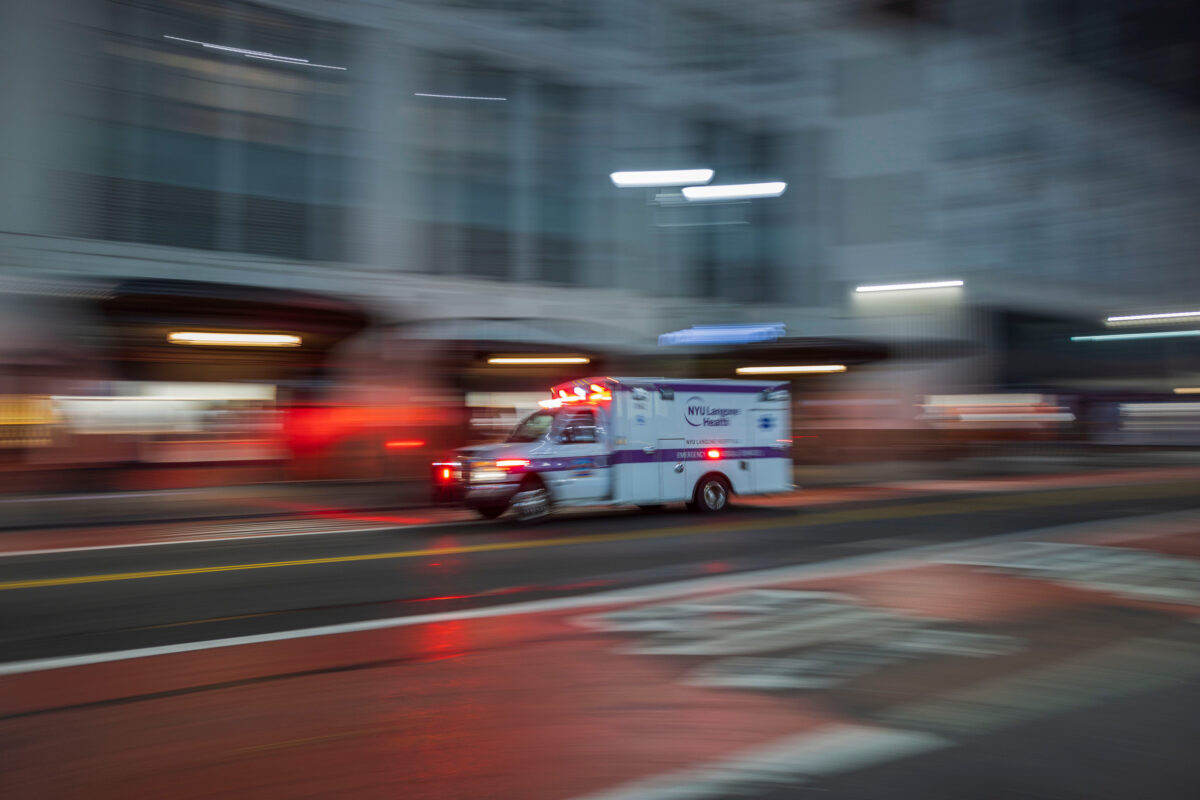
When a child is seen alone in a vehicle, hesitation is one of the most dangerous responses.
Safety protocols consistently emphasize:
- Call emergency services immediately.
- Staying with the vehicle until help arrives
- Providing clear location details
- Acting without waiting for confirmation of danger severity
The reason is simple: heat-related medical emergencies escalate faster than most observers expect.
Minutes matter, not certainty.
A tragedy that exposes more than heat
The Riverview case is not only a story about temp. It is a story about how modern life fragments attention, how routines become automatic, how silence hides risk, and how multiple small gaps can align into irreversible outcomes.
Behind every statistic is the same fragile equation: time, temperature, and missed awareness converging in a confined space.
What remains after this tragedy is not just grief, but a renewed urgency to design better habits, stronger systems, and fewer opportunities for human memory to carry a burden it was never built to hold.