8 Warning Signs From Tyson’s Texas Layoffs That Show America’s Beef Industry Is Under Pressure
The Tyson Foods layoffs in Amarillo, Texas, did more than shake one city. They exposed a deeper problem running through America’s beef industry, where fewer cattle, higher costs, tighter margins, and anxious workers are all colliding at once.
For many, the news may look simple at first. A large company cut jobs, a Texas plant lost a shift, and families were left facing a difficult future. But the more important story is bigger than one layoff notice. It is about how beef gets from ranchland to the grocery cooler, and why that system is becoming more expensive, more fragile, and less forgiving.
Tyson’s Amarillo facility remains open, but the elimination of B Shift operations affected roughly 1,761 workers. That makes this more than a corporate restructuring story. It is a warning sign from the middle of the food supply chain, and it raises a question many Americans may soon feel at the checkout line: What happens when the country still wants beef, but the system has fewer cattle to process?
Here are some warning signs from Tyson’s Texas layoffs that show America’s beef industry is under pressure.
Tyson’s Texas layoffs were not just a local job cut.

The Amarillo layoffs hit hard because Tyson is not a small employer, and the adjustment was quiet. The company is one of the largest protein producers in the United States, and its beef plants operate within a national network that depends on steady cattle flows, reliable labor, and strong consumer demand.
When Tyson reduced Amarillo to a single full-capacity shift, the decision showed how seriously the company is trying to align production with a tougher beef market. The plant did not disappear, but hundreds of families connected to B Shift operations suddenly faced a very different future. That is why this story has more weight than a normal business update. In a city like Amarillo, a major beef plant is tied to rent payments, grocery spending, school families, church communities, local diners, gas stations, and contractors who rely on plant traffic.
The unique angle is simple: these layoffs were not only about Tyson. They were about what happens when a local workforce becomes the pressure valve for a national cattle shortage.
America’s cattle herd is too small for the system built around it.
The beef industry is built on volume. Processing plants work best when cattle numbers are strong enough to keep lines moving efficiently. When the herd shrinks, plants can become too large for the number of animals available. That is the uncomfortable backdrop behind Tyson’s Amarillo move. The U.S. cattle inventory has fallen to historically tight levels, and beef cows remain limited after years of drought, high feed costs, expensive land, and slow herd rebuilding.
This matters because the cattle supply cannot recover quickly. Ranchers cannot rebuild a herd in a few months. They need breeding stock, pasture, water, time, favorable weather, and enough confidence to hold animals back rather than sell them into a strong market. That slow biological clock puts meatpackers in a difficult position. They must make quarterly business decisions in an industry where the supply problem can take years to repair.
High beef prices do not mean beef plants are winning.

Many shoppers see expensive ground beef or steak and assume meatpackers must be enjoying huge profits. The Tyson situation shows why that assumption can be wrong. Beef companies can face rising retail prices and still lose money in their beef divisions. That happens when the cost of buying cattle climbs faster than processors can recover through wholesale and retail beef prices.
This is one of the most important points readers need to understand. Expensive beef at the store does not automatically mean a profitable beef plant. The processor still has to pay for cattle, labor, energy, packaging, maintenance, transportation, inspection, cold storage, and equipment. If fewer cattle move through the plant, fixed costs are spread across fewer animals. That can make each head more expensive to process, turning a busy facility into a margin problem.
Amarillo became a symbol because Texas sits close to the cattle story.
The Tyson layoffs landed in Texas, and that makes the story feel even sharper. Texas is not just another state in the beef conversation. It is one of the most visible centers of American cattle culture, ranching identity, feedlot activity, and beef processing. That is why a major layoff in Amarillo carries national meaning. It happened in a region where beef is part of the economy and the culture. The Texas Panhandle is tied to cattle, trucking, feed, rail movement, maintenance services, and working-class food manufacturing jobs.
When a beef shift disappears there, the impact can move beyond the plant gates. It can touch local businesses that serve workers, landlords who depend on steady incomes, and families who built their household budgets around plant wages. In that sense, Amarillo is not just where the layoff happened. It is where America can see the beef crisis become personal.
The grocery store is now connected to the layoff notice.
The Tyson layoffs may seem far away from the average family shopping for dinner, but the connection is direct. A smaller cattle herd affects processors, processors adjust capacity, and a tighter beef supply keeps pressure on grocery prices.
Consumers are already making choices in response to high beef prices. Some buy cheaper cuts. Some stretch ground beef with beans, rice, pasta, or vegetables. Others move toward chicken or pork when steak becomes too expensive.
Those choices matter to companies like Tyson. If shoppers trade down or switch proteins, beef processors face even more pressure, while chicken and prepared foods may become more attractive parts of the business.
The real fear is not one layoff, but more consolidation.

The most serious question is whether Amarillo is part of a longer wave of beef industry consolidation. Tyson has already made major network changes, and other processors are also facing tight cattle supplies and weak margins.
This is where the story becomes bigger than Texas. If the cattle herd stays tight, processors may keep pushing production into plants they believe can run more efficiently. Smaller or less efficient facilities may become harder to justify.
For workers, that means the fear does not end when one layoff round is completed. It lingers because the market conditions that caused the reduction have not fully gone away.
For towns, the concern is even deeper. A beef plant can anchor a local economy for decades, but consolidation can shift that work elsewhere with one corporate decision.
The cattle shortage is also a rancher problem, not only a processor problem.
It would be too easy to frame the story as workers versus a corporation. The cattle shortage also reflects painful decisions made on ranches across the country. Ranchers have faced drought, high feed costs, rising equipment expenses, land pressure, and uncertain weather. Even when cattle prices are high, rebuilding a herd can feel risky because holding animals back means giving up high current income.
That means the supply squeeze is not caused by a single company or plant. It is the result of years of pressure across the livestock economy. The most compelling version of this story should show the full chain. Ranchers are cautious. Feedlots have fewer animals. Processors pay more for cattle. Workers lose shifts. Consumers pay more at the store.
That chain is what makes the Tyson layoffs feel like a national warning, not just a company headline.
Amarillo shows why beef may stay expensive longer than shoppers expect
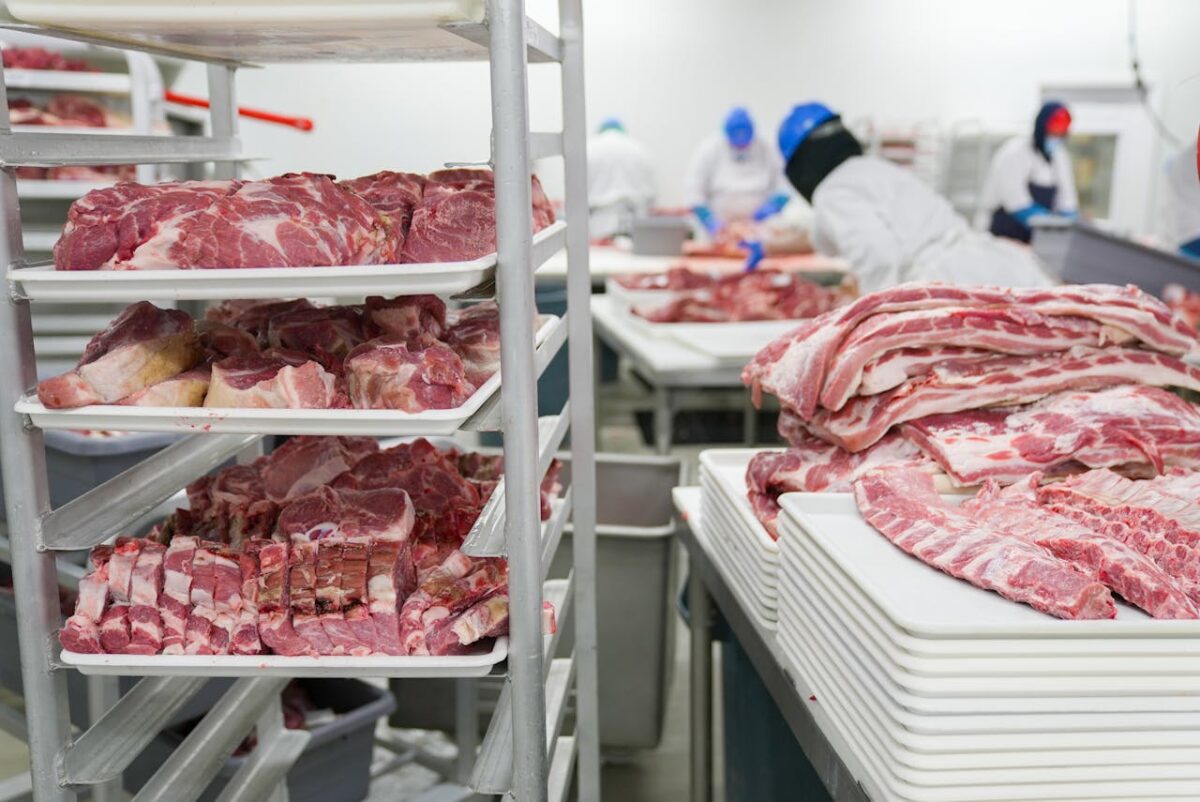
The biggest takeaway for readers is that this problem may not vanish quickly. Beef supply is tied to cattle biology, weather, rancher confidence, feed costs, and processing capacity. Even if conditions improve, rebuilding the herd takes time. Cows must be retained, bred, and managed before calves eventually become market-ready cattle. That timeline can stretch over years, not weeks.
This is why the Tyson layoffs matter beyond the workers directly affected. They show that the beef system is adjusting to a smaller supply base, and that this adjustment may continue to show up in prices, plant decisions, and job uncertainty.
For shoppers, the signal is clear. Beef may remain a premium item in many households. For workers, the message is more painful. Jobs tied to beef processing may remain vulnerable until the cattle cycle improves.