How the U.S. Turned Neutral Laos into the Most Bombed Nation in History
Long before headlines ever whispered its name, Laos became an uncharted epicenter of modern warfare, not by choice, not by declaration of war, but by cold strategic calculus. Between 1964 and 1973, in what came to be known as the “Secret War”, the United States conducted a sustained aerial bombardment campaign over Lao territory that would leave this quietly sovereign nation scarred more deeply than any other in modern history.
A Hidden War in the Shadows of Vietnam
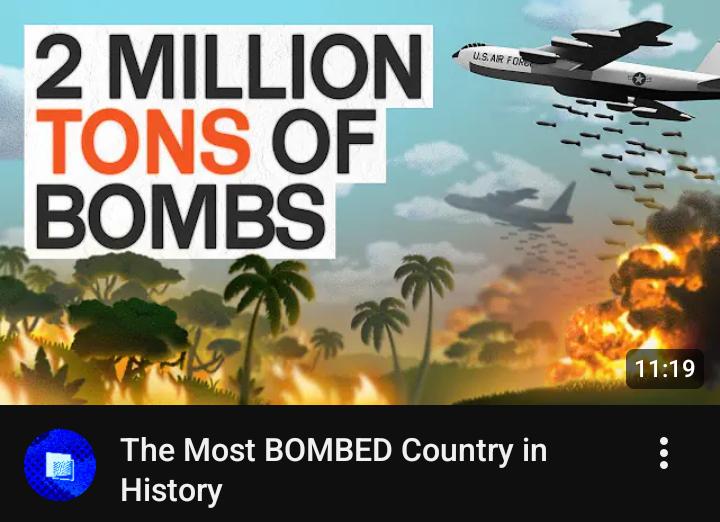
Though officially neutral during the era of the Vietnam War, Laos sat astride the critical Ho Chi Minh Trail, the supply artery North Vietnam used to funnel troops and matériel into South Vietnam. Determined to cut this lifeline, U.S. military and intelligence planners waged an aerial assault that was never publicly declared.
In an extraordinary example of Cold War strategy outpacing public awareness, the United States flew nearly 580,000 bombing missions, dropping **more than 2 million tons of ordnance on Laotian soil, a weight of bombs nearly equal to all the U.S. aerial ordnance dropped on Germany and Japan combined during World War II.
Scale that Defies Belief
Imagine a force so relentless that it equated to a planeload of bombs falling every eight minutes, day and night, for almost a decade. That relentless rhythm of destruction was not a metaphor: it was the grim reality over Laos from 1964 to 1973.
The weapon of choice was the cluster bomb, canisters that exploded mid‑air, raining hundreds of smaller bomblets across jungle, farmland, and village. Estimates suggest that around 270 million of these bomblets were released, raining steel and explosives into every corner of the countryside.
Unexploded Ordnance: The Deadliest Legacy
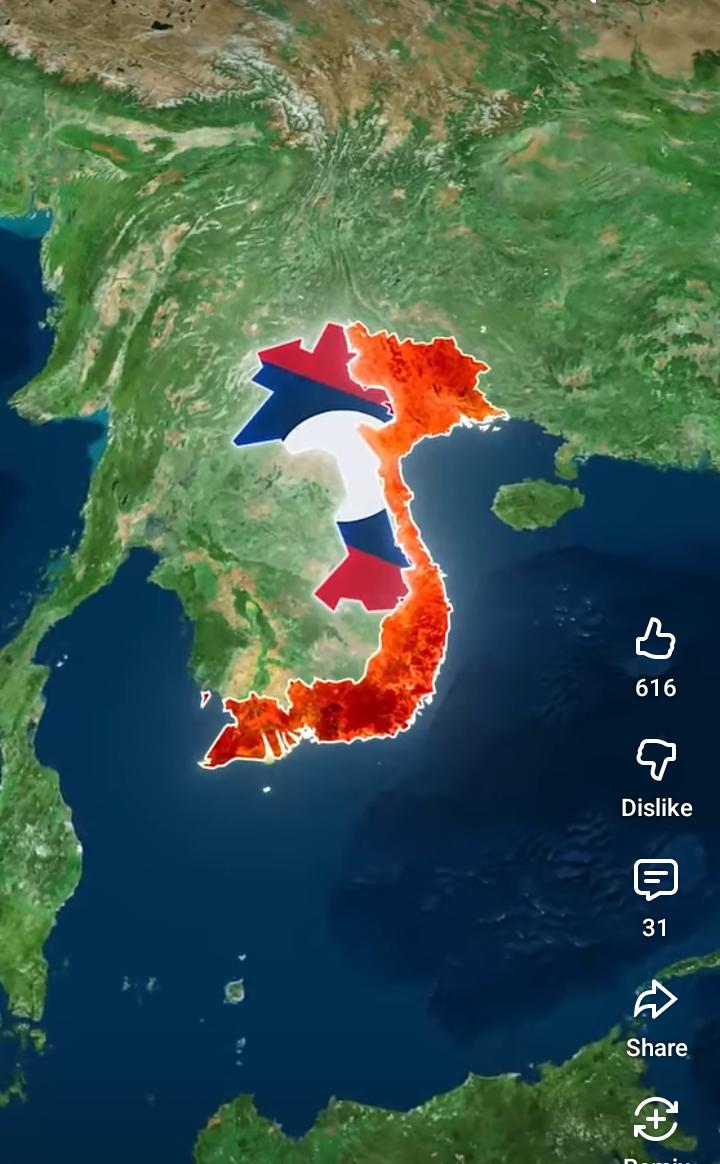
But even this horrifying scale isn’t the full story. Up to 30% of the bombs dropped failed to detonate on impact, leaving an estimated 80 million unexploded devices buried beneath fields and forests. These silent remnants continue to maim and kill more than half a century after the war officially ended, a lethal undercurrent beneath daily life in rural Laos.
Children sometimes mistake these bombies for toys; farmers risk their lives each season plowing fields that might hide a dormant explosive. These aren’t distant statistics; they are lived realities that shape where people farm, where children play, and how entire communities grow old.
Beyond Numbers: Human Cost and Historical Irony
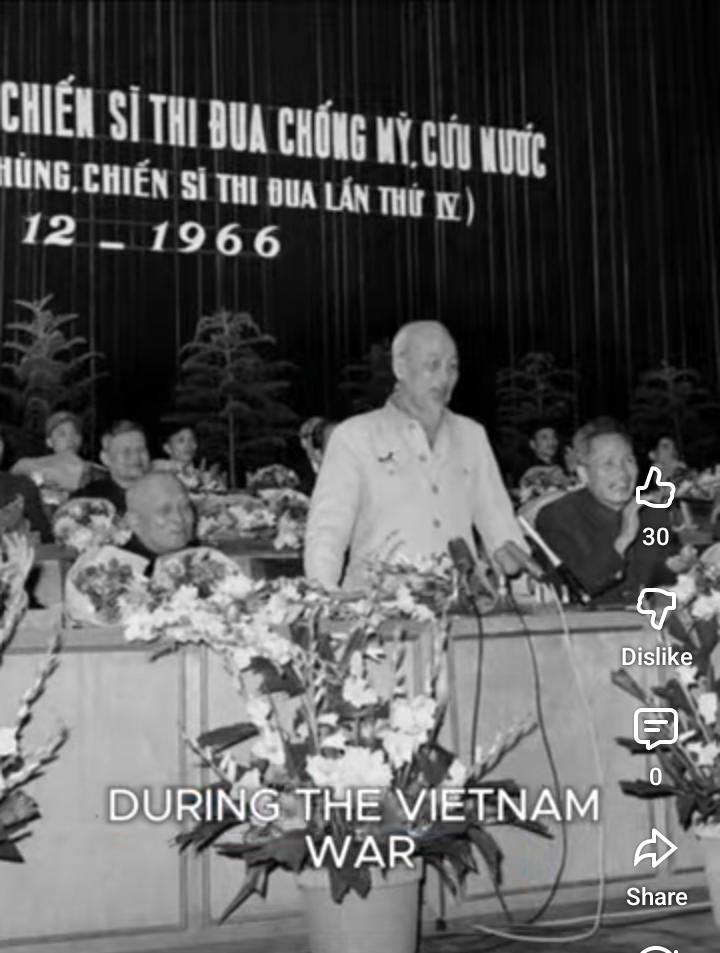
Unlike the dramatic battlefields of Europe or the Pacific, where wars were fought openly and declared with fanfare, Laos’ ordeal was conducted in obscurity. There was no formal declaration, no sweeping news coverage, and for years, many Americans didn’t know this campaign existed at all.
Yet the scale of the bombing, more than on Germany and Japan combined, is not a matter of propaganda or legend. It’s a quantifiable historical fact backed by declassified documents, academic research, and international reporting.
An Enduring Legacy
Today, more than 40 years after the last bombs fell, Laos grapples with the aftermath:
- Hundreds of villages and farmland remain contaminated with unexploded ordnance.
- Thousands of civilians have been killed or injured since the conflict ended.
- Efforts to clear this explosive legacy continue, with international aid and Lao government programs working to make land safe for future generations.
Laos’ story is a stark reminder that the impact of war does not end with peace treaties; it endures in soil, in memory, and in futures yet unfulfilled.