Iran agrees not to build a nuke, will reopen Strait of Hormuz — and US to release $25B in assets in Trump peace deal: Tehran.
For months, the Strait of Hormuz sat like a locked gate on the world economy. Tankers stalled, oil markets shook, shipping firms rerouted, and governments watched one narrow stretch of water turn into a global pressure point. Now, President Donald Trump is claiming a major diplomatic breakthrough: a US-Iran peace framework that could reopen the strait, ease the oil shock, and begin a new round of negotiations over Tehran’s nuclear future.
But this is not a clean victory lap. It is a fragile bargain built on trust between two governments that have spent decades distrusting each other.
Under the reported draft terms, Iran would agree not to produce or acquire a nuclear weapon, stop further uranium enrichment for now, reopen the Strait of Hormuz to commercial shipping, and enter a 60-day negotiation period over a broader final agreement. In return, the United States would begin easing pressure on Iran through sanctions waivers, the release of frozen assets, and the removal of a naval blockade on Iranian ports.
The number drawing the most attention is $25 billion. That is the reported amount of Iranian frozen assets that could be released under the framework. To supporters of the deal, that money is the price of lowering the temperature in one of the world’s most dangerous regions. To critics, it is a major concession to Tehran before the hardest questions have been settled.
The Strait of Hormuz Is the Deal’s Biggest Prize
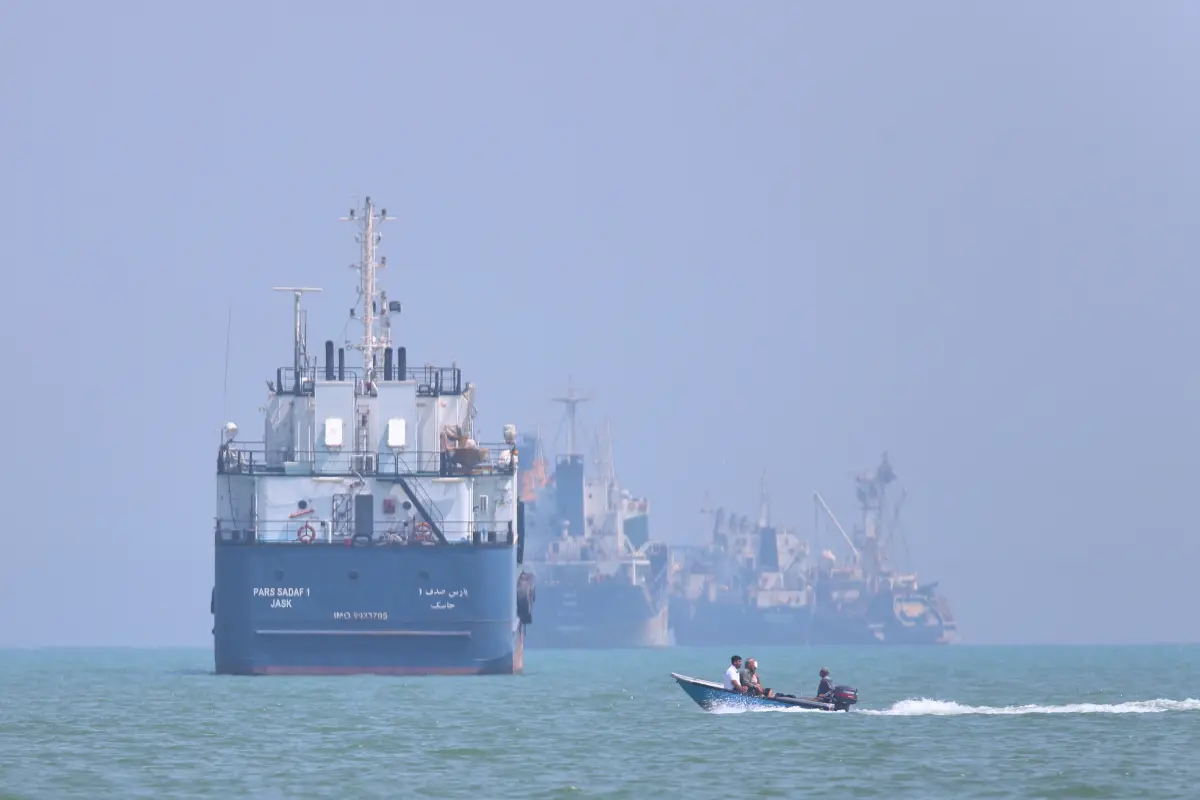
The Strait of Hormuz is not just another shipping lane. It is one of the world’s most sensitive energy arteries, carrying a major share of global oil and gas traffic. When movement through the strait is threatened, the impact can show up quickly in fuel prices, inflation fears, market swings, and political pressure far beyond the Middle East.
That is why reopening Hormuz sits at the heart of this agreement. If commercial vessels can move freely again, oil markets could breathe easier. Consumers may not see instant relief at the pump, but the fear premium hanging over energy markets could begin to fade.
President Trump Gets a Diplomatic Win, But Not a Finished Deal

The White House can present this as a dramatic breakthrough. A blocked strait, a costly regional conflict, and a nuclear standoff have all been brought into a single framework. For President Trump, the political value is obvious: he can argue that pressure, force, and dealmaking brought Iran to the table.
Still, the agreement appears to be a starting line, not the finish line. The final nuclear terms, sanctions timeline, uranium stockpile handling, and enforcement system still need to be negotiated. That means the next 60 days may matter more than the announcement itself.
Iran Gets Money, Oil Relief, and Breathing Room
For Tehran, the deal offers badly needed financial oxygen. The reported release of $25 billion in frozen assets could help a battered economy, while oil sanctions waivers would allow Iran to sell crude and resume revenue collection.
That does not mean Iran walks away without limits. The reported terms require Tehran to hold its nuclear program where it is, avoid further enrichment, and refrain from expanding nuclear facilities while a final agreement is negotiated. But Iran may also be able to argue at home that it did not surrender its nuclear program completely. That will matter in Tehran’s internal politics.
The Nuclear Promise Is Powerful, But Verification Is Everything
The most important phrase in the deal is simple: Iran agrees not to produce or acquire nuclear weapons. It sounds decisive. But in diplomacy, words are only as strong as the verification system behind them.
The real fight will be over inspections, uranium stockpiles, enrichment levels, and what happens if either side accuses the other of cheating. A promise not to build a bomb may calm markets for a few days. A strict, enforceable monitoring system is what would calm governments for years.
Israel and Lebanon Could Still Complicate Everything
The agreement is being discussed as part of a broader regional peace move, but the Middle East does not move on a single track. Israel’s position, the fighting in Lebanon, Hezbollah’s future, and Iran-backed networks across the region all remain explosive issues.
If Israel believes the agreement leaves its security exposed, it may resist the political momentum behind the deal. If violence in Lebanon continues, Iran could face pressure from hardliners to walk back cooperation. One strike, one provocation, or one disputed incident could test the framework before it is even fully signed.
Markets Are Reacting Before the Ink Is Dry
Oil traders do not wait for ceremonies. The possibility of Hormuz reopening has already shifted market expectations, because energy prices are driven as much by fear as by supply. When a chokepoint closes, prices climb on risk. When it looks ready to reopen, that risk begins to drain away.
That is why this deal matters to ordinary households. A diplomatic breakthrough in the Gulf can influence gasoline prices, shipping costs, grocery bills, airline expenses, and inflation forecasts. The connection may feel distant, but the economic chain is very real.
Critics Will Ask Whether America Paid Too Much
The biggest political fight in Washington may center on the $25 billion. Supporters will argue that frozen assets belong to Iran and that releasing them is a practical way to stop a wider war, reopen global trade routes, and create leverage for a final nuclear agreement.
Critics will ask a harder question: why should Iran receive major financial relief before a final deal is locked down? They will argue that Tehran is being rewarded for closing a vital waterway and using nuclear pressure as bargaining power. That argument will only grow louder if Iran delays, disputes inspections, or claims a different version of the deal.
The Next 60 Days Will Decide Whether This Is Peace or a Pause
The most dangerous part of the deal is also the most honest part: it leaves the hardest issues for later. That can be smart diplomacy, because wars often end in stages. But it can also create a trap, where both sides celebrate early and fight later over the details.
For now, the agreement offers a possible exit ramp from a crisis that threatened oil markets, regional stability, and nuclear security. It gives President Trump a headline, Iran a financial opening, and the world a chance to see Hormuz reopen.
But the real question is not whether this deal can make markets cheer for a week. The real question is whether Washington and Tehran can turn a tense bargain into a durable settlement before old suspicions, regional rivals, and unfinished nuclear disputes pull the region back toward the edge.