Trump Says Starmer Is Done. 24 Hours Later, Britain’s Prime Minister Steps Aside, and the Timing Is Setting Off Global Shockwaves
What started as a blunt political prediction from Donald Trump has now turned into a real-world resignation in London, fueling an international storm over whether the former U.S. president was simply commenting on British politics or calling it before it happened.
Within 24 hours of Trump declaring that UK Prime Minister Keir Starmer “will resign,” Starmer announced he is stepping down as Labor leader and preparing to leave office once a successor is chosen, triggering a leadership vacuum at the top of one of America’s closest allies.
The timing has turned a routine European political shift into something far louder: a transatlantic flashpoint where Trump’s influence, Britain’s instability, and global political theater collide in real time.
“He’s Done”: Trump’s Prediction Lands Before Downing Street Moves
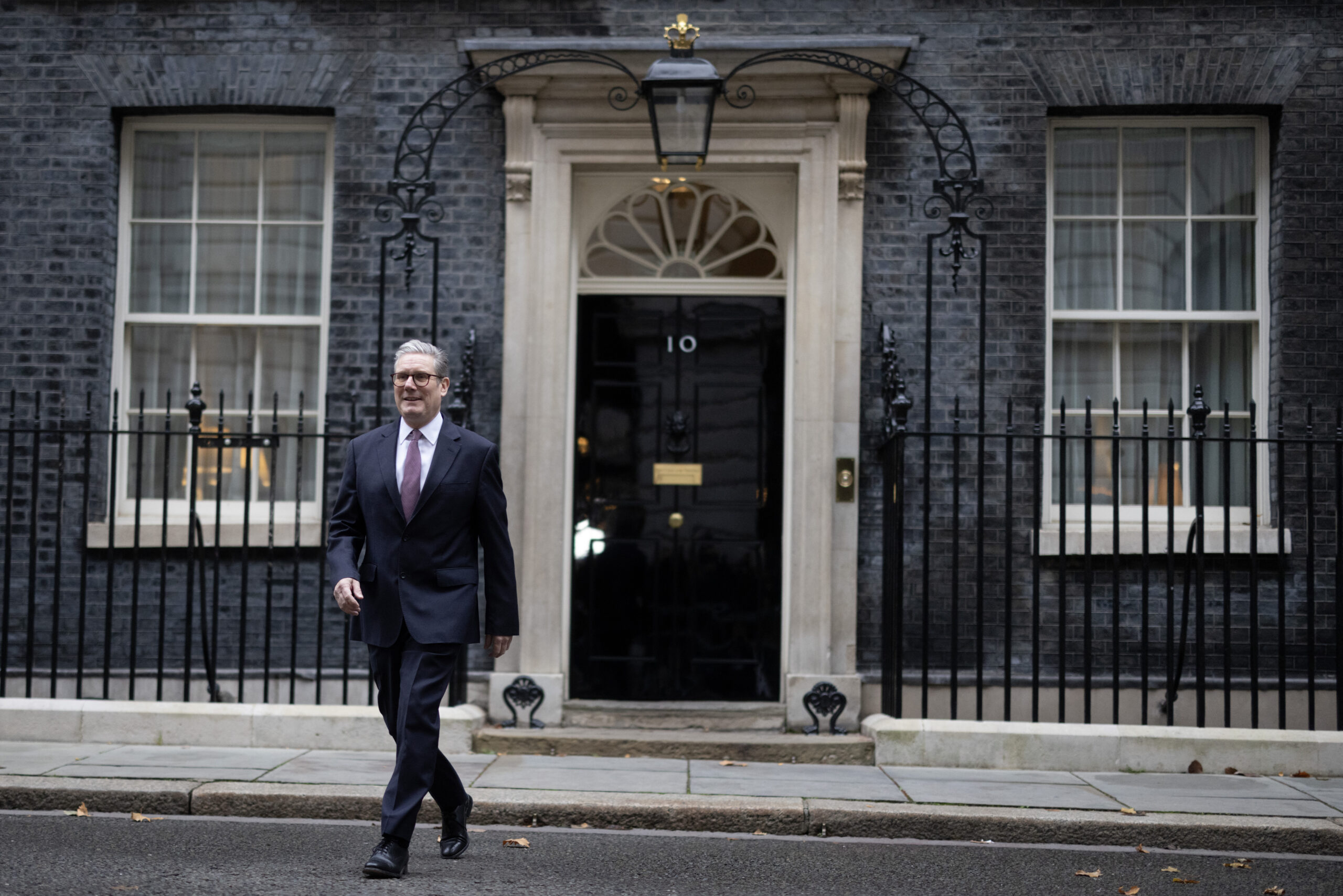
Number 10, OGL 3, via Wikimedia Commons Licensed under Keir Starmer in October 2024
Donald Trump’s comments did not arrive as a reaction; they landed as a forecast.
Posting publicly, Trump claimed Starmer was on his way out, criticizing his leadership on immigration policy, energy strategy, and economic direction. He singled out Britain’s North Sea oil approach and suggested voters and political insiders had already turned against the prime minister.
For many observers, it read like standard Trump commentary: direct, provocative, and politically loaded.
But within a day, the narrative shifted.
Starmer himself confirmed he would resign after mounting internal pressure from Labor MPs and growing concern over the party’s political trajectory. The sequence of events instantly transformed Trump’s remarks from political rhetoric into something critics and supporters are now debating as either a coincidence or a reflection of political intuition.
A Prime Minister Cornered by His Own Majority
Behind the global noise is a more traditional political reality: internal party pressure.
Starmer’s resignation comes after weeks of intensifying unease within the Labor ranks, where MPs have grown frustrated by slipping approval ratings, economic dissatisfaction, and a surge in Reform UK’s momentum.
What was once a commanding parliamentary majority has become a liability of expectations.
Instead of stability, Labor has been consumed by questions of direction, especially on immigration enforcement, energy pricing, and whether the government has delivered on its post-election promise of reset and reform.
Starmer’s exit is being framed by allies as a controlled transition.
But within Westminster, it is widely understood as something less orderly: a leader stepping aside before being pushed further.
The Trump Factor: Coincidence, Commentary, or Political Signal?
Trump’s involvement has added an unusual layer to an already volatile moment.
His criticism focused on two of the most politically explosive issues in Western politics right now: immigration and energy independence. In doing so, he placed Starmer’s struggles into a broader ideological narrative familiar to American audiences: borders, fuel, inflation, and national direction.
To supporters, Trump was simply stating what many voters feel across Western democracies.
To critics, the post crossed into something more unusual: a former U.S. president publicly predicting the downfall of a sitting foreign leader.
And then watching it happen almost immediately.
The result is a political storyline that has gone global not because of Starmer alone, but because Trump’s name is now attached to the timeline of events.
A Leadership Race That Could Redefine Britain’s Direction
With Starmer stepping aside, Labor is preparing for a fast-moving leadership contest that could reshape the government before the next election cycle fully takes shape.
Potential successors are already being discussed inside Westminster, with figures like Andy Burnham emerging as possible contenders capable of reconnecting Labor with voters drifting toward Reform UK and other insurgent movements.
What makes this moment more volatile than a typical leadership change is timing.
Britain is not just replacing a leader; it is doing so while economic pressure, the immigration debate, and energy policy disputes are already fueling public frustration.
The next Labor leader will not inherit a clean slate.
They will inherit a country already questioning the direction of its government.
Britain’s Political Ground Is Moving Faster Than Its Leaders
Starmer’s departure adds to a broader pattern that has defined recent British politics: rapid turnover, unstable mandates, and governments struggling to hold long-term political authority.
Each new leader enters Downing Street promising stability.
Each one faces a political environment that refuses to stay still.
Starmer’s case is particularly striking because he did not lose an election in the traditional sense. Instead, he appears to have lost confidence within his own political coalition, a quieter but often more decisive form of political collapse.
The question now is whether his successor can stabilize Labor or whether this is simply the next stage of a longer political unraveling.
A Transatlantic Political Moment With No Clear Ending
What makes this story resonate beyond Britain is not just the resignation itself, but the way it unfolded in public view, with Trump’s comments acting as a provocative preface to a real political exit.
Whether coincidence or commentary, the sequence has already entered the global political conversation.
For Trump, it reinforces a familiar narrative: that he understands political momentum better than traditional institutions admit.
For Starmer’s opponents, it confirms what they already believed: that his leadership had become unsustainable.
For Labor, it raises a far more difficult question: how to rebuild authority in a political landscape where trust is fragile and time is short.
Starmer promised stability.
His resignation suggests Britain is still searching for it.