Ex-Ambassador Blasts Trump’s Iran Victory Lap as Strait of Hormuz Tensions Undercut Deal
President Donald Trump’s attempt to frame his Iran agreement as a foreign policy triumph is running into a sharp and unusually direct rebuke from a former top American diplomat.
Michael McFaul, the former U.S. ambassador to Russia, accused the administration of turning a problem it inherited into a crisis it helped create, then celebrating the partial repair as if it were a historic victory. His criticism landed at a sensitive moment, as the White House has been trying to sell the Iran deal as proof that Trump forced Tehran to back down and helped keep the Strait of Hormuz open.
McFaul sees it differently. In his view, the administration is taking credit for reopening a door that was not locked before the fighting began.
A Victory Lap Meets a Hard Question
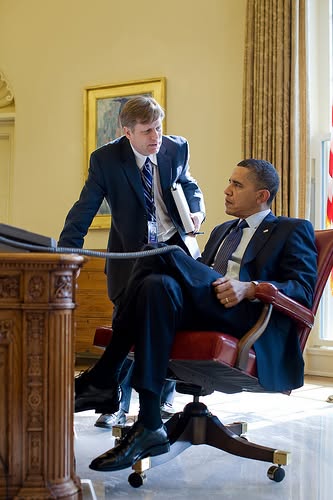
The argument began after Vice President JD Vance pointed to the flow of oil through the Strait of Hormuz as evidence that Trump’s strategy had worked. The waterway is one of the world’s most important energy corridors, and any disruption there can ripple quickly through gas prices, shipping costs, and global markets.
McFaul pushed back with a blunt message. He said the strait was already open before the war, then argued that the conflict created the very disruption the administration is now claiming to have solved.
That is the heart of the backlash. Trump’s team wants Americans to see the Iran agreement as a rescue mission. Critics say it looks more like a costly cleanup after a self-inflicted fire.
The former ambassador’s words carried weight because they did not sound like ordinary partisan noise. They cut into the basic logic of the White House message. If the Strait of Hormuz was functioning before the conflict, then reopening it cannot be sold as a grand achievement without explaining why it became unstable in the first place.
The Strait Remains the Pressure Point
The Strait of Hormuz is more than a strip of water. It is a narrow global pressure valve. When ships move smoothly, oil markets breathe easier. When threats rise, insurers worry, traders react, and ordinary drivers eventually feel the shock.
That is why the uncertainty around the Strait has become so politically dangerous for Trump. Iran has claimed at times that it moved to close or restrict the waterway, while U.S. military officials have rejected Tehran’s version and said traffic continues under American monitoring.
Even so, the dispute itself shows how fragile the situation remains. A stable victory usually does not require daily explanations about whether a key maritime route is truly open, partially open, or contested by rival claims.
McFaul’s criticism taps into that unease. His point is not only that the administration made concessions. It is that the deal appears to have left the United States still reacting to Iran’s moves, still managing threats, and still explaining away instability that did not exist at the same level before the conflict.
Trump’s Deal Faces Fire From Both Sides

The White House from Washington, DC, Public domain, via Wikimedia Commons
The Iran agreement is also exposing a deeper political problem for the White House. Democrats have attacked Trump for starting a war they say was unnecessary. Some Republicans have also voiced frustration, arguing that the final arrangement gives Tehran too much without guaranteeing enough in return.
That makes the victory lap difficult to sustain. A president can survive criticism from the opposition. It becomes harder when skeptics within his broader political orbit question whether the deal actually delivered on its promises.
The administration has emphasized oil movement, de-escalation, and the reopening of diplomatic channels. Those are not small things. Avoiding a wider war matters. Preventing energy chaos matters. Getting negotiators back into a room matters.
But critics argue that those gains must be measured against the cost of getting there. If the war drove up tensions, strained alliances, complicated shipping, and then ended with concessions that resemble earlier diplomatic paths Trump once mocked, the final product becomes harder to package as strength.
Vance, Iran, and the Fragile Talks
The tension grew as Vance met with Iranian officials in Switzerland, alongside mediators from Pakistan and Qatar. Those talks were meant to move the interim agreement toward something more durable.
Instead, they unfolded under a cloud of threats, walkouts, and competing claims. Trump warned Iran over its support for armed groups in Lebanon, saying the U.S. could strike again if Tehran failed to rein in its allies. Iranian officials responded with their own warnings, making clear that they were not entering talks as a defeated party.
That image matters. The administration wants the public to see Iran boxed in. But the scenes around the talks suggest something murkier. Iran is still making demands. The U.S. is still issuing threats. Regional tensions are still tied to Lebanon, Israel, shipping lanes, and the unresolved question of Tehran’s nuclear future.
This is why McFaul’s criticism is resonating. He is not simply objecting to one deal. He is challenging the story the administration is telling about power, leverage, and success.
Public Doubt Is Already Setting In
The political challenge is not happening in a vacuum. Polling shows many Americans remain unconvinced by Trump’s handling of Iran. That matters because foreign policy victories often depend on a clear public narrative. People do not need to know every diplomatic detail, but they need to believe the president made the country safer, stronger, or more respected.
Right now, that case is not settled.
For Americans already worried about inflation, gas prices, and another military entanglement in the Middle East, the Iran conflict may feel less like a triumph than a warning. They have seen this movie before: dramatic threats, military action, soaring certainty from Washington, then complicated diplomacy that looks far less clean than the original promise.
McFaul’s attack landed because it stripped away the stage lights. The question is simple and damaging: did Trump solve a crisis, or did he create one and then ask for applause when the smoke began to clear?
That is the problem with victory laps in foreign policy. The world does not stop moving for the photo opportunity. Ships still have to pass. Markets still have to trust the route. Allies still have to believe Washington knows what it is doing. Adversaries still test every weakness.
For Trump, the Iran deal may yet hold. It may prevent wider war and stabilize a dangerous region. But for now, McFaul’s verdict is a sharp reminder that peace deals are judged not by the size of the celebration, but by the depth of the damage left behind.