Florida Beachgoers Could Face $500 Fines or Jail Time for Ignoring “Double Red Flag” Warnings, Officials Say
When summer crowds spill onto Florida’s beaches, the ocean can shift from inviting to dangerous in a matter of minutes, and officials say too many visitors still underestimate that change.
This season, authorities in parts of the Florida Panhandle are warning that ignoring “double red flag” beach closures could lead to fines of up to $500 and, in some cases, possible jail time, according to local officials cited by Panama City Beach authorities.
The message from lifeguards is not subtle: when the flags go up, the water is off limits for a reason.
What Officials Say is Happening Along the Coast
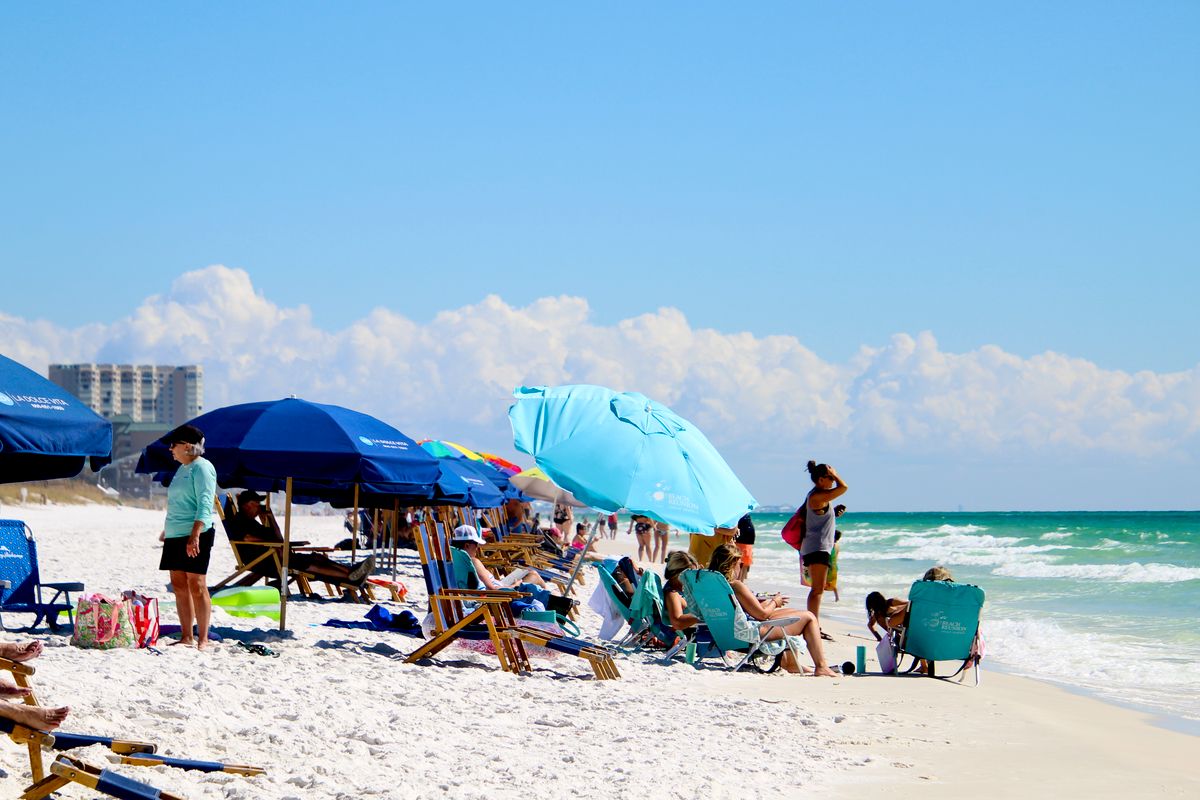
In recent days, several beaches across the Florida Panhandle flew double red flags, a warning that signals the ocean is closed due to extremely dangerous surf conditions and life-threatening rip currents.
Beach officials explain that the flag system is designed to communicate risk quickly. A yellow flag signals moderate hazards, a single red flag warns of great danger, purple flags indicate hazardous marine life, and double red flags mean the most serious condition of all: the water is closed entirely.
Despite that, lifeguards say some visitors still enter the ocean during closures, especially during peak summer weekends when beaches are crowded, and conditions appear deceptively calm on the surface.
That is where enforcement becomes serious. According to Panama City Beach authorities, violating a double-red-flag closure can result in a $500 fine, and in some cases, repeated violations may lead to additional penalties, including possible jail time under local ordinances.
Why Officials are Tightening Enforcement
For lifeguards, the issue is not about punishment; it is about preventing tragedies that can unfold in seconds.
Panama City Beach Director Daryl Paul emphasized that the purpose of the flag system is to keep people alive, especially when conditions become unpredictable.
“What the lifeguards are trying to accomplish today is just to keep you safe,” Paul said in comments shared with local media. “We are trying to prevent that empty car seat on the way home.”
Officials say rip currents are often underestimated because the water can look calm at the surface while powerful underwater channels pull swimmers away from shore. During double red flag conditions, those risks are considered severe enough to shut down swimming entirely.
Why Beachgoers are Paying Closer Attention
Florida’s Panhandle beaches attract millions of visitors each year, particularly during the summer months when tourism peaks. That influx often overlaps with rapidly changing weather patterns, including storms and strong offshore currents.
Local authorities say that the mix creates a familiar challenge: visitors who may not fully understand the flag system, combined with crowded beaches where lifeguards must monitor wide stretches of coastline in real time.
Even experienced swimmers, officials warn, can be caught off guard. What looks like safe water along the shoreline can conceal dangerous rip currents that can exhaust even strong swimmers within minutes.
How the Flag System is Meant to Work
The beach warning system is used across Florida and other coastal regions to give quick, visible safety guidance.
Green flags (in some areas) indicate calm conditions, yellow flags signal caution, and red flags warn of hazardous surf or currents. But double red flags are different; they represent a full closure of the water due to extreme danger.
Officials say the simplicity of the system is intentional, designed so anyone on the beach can understand risk levels at a glance without needing technical knowledge of ocean conditions.
Still, confusion happens. Some visitors assume calm-looking water means safe swimming conditions, but lifeguards stress that rip currents often form even on bright, sunny days without surface signs.
What Consequences Could Follow Violations
According to Panama City Beach officials, enforcement of double-red flag closures may result in citations and fines, with penalties up to $500 for individuals who enter restricted waters.
Law enforcement presence typically increases during high-risk periods, especially on weekends and holidays when beaches are most crowded. Officials say the goal is not to penalize tourists but to ensure compliance with life-saving warnings.
While jail time is rarely imposed in routine cases, it remains part of local ordinances as an option for severe or repeated violations, particularly when individuals ignore repeated warnings or interfere with lifeguard instructions.
What Happens Next this Summer
As temperatures rise and beach traffic increases, officials say flag updates will continue throughout the season based on surf conditions and weather patterns.
Lifeguard teams are expected to maintain heightened patrols, with frequent announcements and visible signage reminding visitors to check flag status before entering the water.
Authorities are also urging beachgoers to treat the flag system as a real-time safety guide rather than a suggestion, especially during peak holiday weekends when conditions can change quickly.
Why It Matters
For many families, a day at the beach is supposed to feel effortless, with sun, sand, and water stretching out into the horizon.
But officials say that the same horizon can hide powerful currents and sudden hazards that are not always visible until it is too late.
The double red flag system exists because of that reality. It is not just a warning; it is a line drawn in the sand between safe and dangerous.
And as Florida’s beaches fill up this summer, officials say the message remains simple: sometimes the safest place to enjoy the ocean is from the shore, not inside it.