Massachusetts Town Faces Backlash After Warning Homeowners July 4 Flags Could Violate Wildlife Rules
A quiet stretch of the Massachusetts coast has become the center of a loud national argument just days before July 4, 2026. On Plum Island in Newbury, homeowners say they were shocked after receiving a town warning that appeared to place flags, streamers, and reflective decorations under the shadow of endangered species law. The controversy has landed at the uneasy crossing of patriotism, private property, coastal conservation, and government authority. We are not looking at a simple neighborhood disagreement over holiday decorations. We are looking at a dispute that asks how far environmental warnings can go when they touch the American flag on private land.
For residents preparing to mark the nation’s 250th Independence Day, the timing could hardly be more explosive. What some homeowners saw as a patriotic display, local officials described as a reminder about protected shorebird habitat. That difference in interpretation is now driving anger across Plum Island and raising questions far beyond one Massachusetts beach town.
Plum Island Homeowners Say July 4 Flag Displays Became a Legal Worry
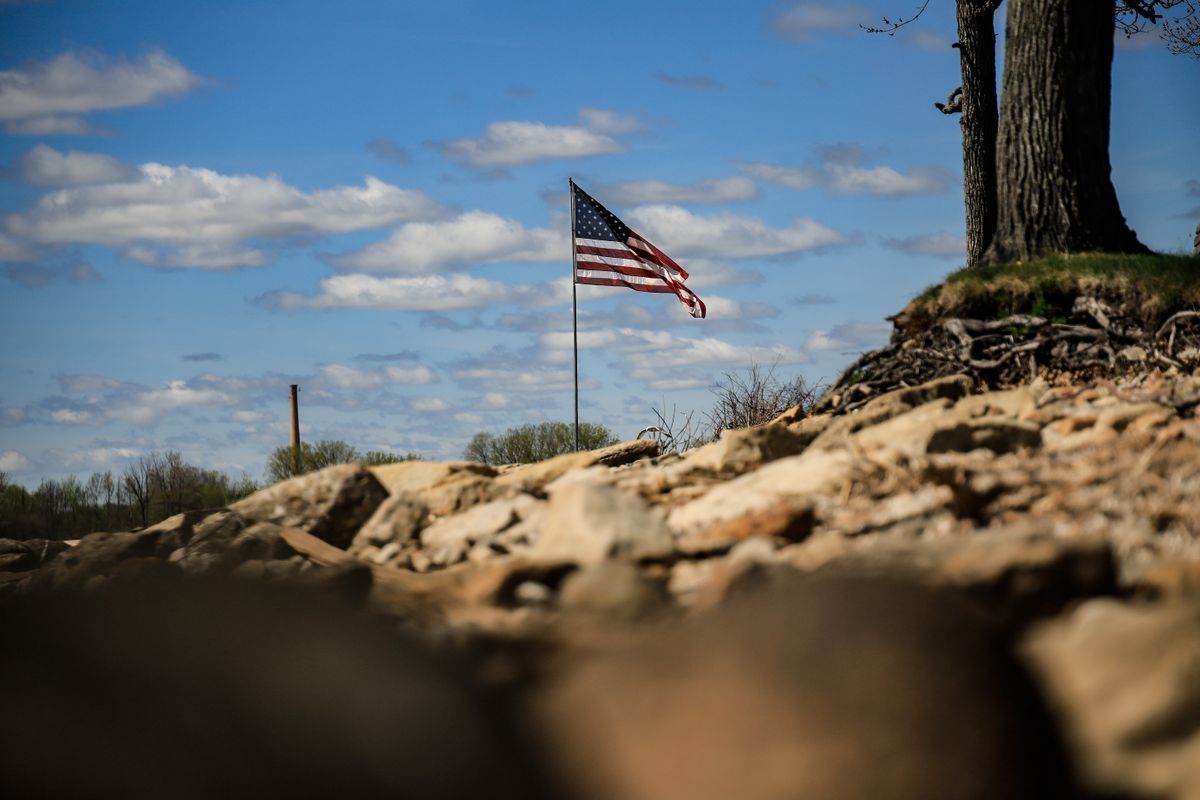
The dispute began after Plum Island residents received a notice from the Town of Newbury warning about devices or materials that could deter protected shorebirds from using the beach and dune habitat. The letter reportedly listed mylar streamers, flags, and reflective materials as items that could be problematic if used to deter birds from suitable nesting or feeding areas. That language immediately alarmed homeowners who were preparing for July 4 celebrations. Many did not read the notice as a narrow wildlife advisory. They read it as a warning that even ordinary patriotic decorations could create legal trouble if officials believed those displays interfered with protected birds.
For residents, the word “flags” carried the most emotional weight. In a beach community already familiar with seasonal bird protections, the idea that an American flag might be treated as a bird deterrent felt like an overreach. The concern grew sharper because the notice mentioned possible enforcement under state and federal endangered species protections. Longtime Plum Island resident Marc Sarkady became one of the most visible voices in the dispute. He said residents had already begun a grassroots effort to distribute American flags and signs to honor the country’s anniversary. To him, the project was meant to bring people together, not to push birds away from the beach. That is why the warning landed with such force. We can understand why a homeowner might see a legal notice about flag days before Independence Day and wonder whether a celebration had suddenly become a compliance problem.
Town Officials Say Newbury Is Not Banning American Flags
Newbury officials have pushed back against the claim that the town is trying to ban patriotic displays. Town Administrator Tracy Blais said the town was not attempting to interfere with property owners’ rights or stop ordinary patriotic use of private property. According to the town’s explanation, the notice was intended to remind residents that Plum Island is an ecologically sensitive place where property ownership entails responsibilities. Officials said they were helping share information connected to MassWildlife concerns about endangered and protected shorebirds. That explanation matters because there is a major difference between a ban and a warning. A ban tells people they cannot do something. A warning tells people that certain conduct could trigger legal concerns under specific conditions. The problem for Newbury is that many residents say the letter did not feel like a soft reminder. It felt like a legal threat.
The town’s position is that homeowners remain free to celebrate July 4 and America’s 250th anniversary. Still, when a government letter includes terms such as noncompliance, enforcement, penalties, protected species, and flags, residents are likely to take it seriously. That is the heart of the dispute. Newbury says it was educating residents. Homeowners say the language went too far.
Why Protected Shorebirds Matter on Plum Island
Plum Island is not just another beach neighborhood. It sits beside a sensitive coastal ecosystem where dunes, sand flats, and beach habitat support vulnerable shorebirds. Nearby Parker River National Wildlife Refuge regularly closes large sections of beach during nesting season to protect piping plovers, terns, and other shorebirds. Piping plovers are small, sand colored birds that nest on open beaches. Their nests and chicks are difficult to see, which makes them vulnerable to people, pets, vehicles, storms, predators, and beach activity. That is why Massachusetts coastal communities often deal with temporary beach restrictions during the warmer months.
From a conservation standpoint, the concern is not imaginary. Protected shorebirds can be disturbed by repeated human activity, dogs, vehicles, beach raking, fireworks, and other disruptions. When nesting birds are scared away, eggs and chicks can be exposed to danger. Still, homeowners are asking a different question. They are not asking whether birds deserve protection. They are asking whether ordinary flags on private property should be treated like tools designed to harass or deter wildlife. That question is where the issue becomes legally and politically sensitive. We can support protecting rare shorebirds while still asking whether government language should be clearer, narrower, and less intimidating when it touches private homes and patriotic symbols.
The Property Rights Fight Now Surrounding the Warning
After the notice was circulated, some residents turned to the Pacific Legal Foundation, a legal group known for property-rights cases. The group reportedly asked Newbury to clarify whether the town believed homeowners were legally prohibited from displaying flags, streamers, or reflective materials on private beachfront property. That challenge moved the dispute from a local warning into a broader argument about constitutional rights. The homeowners’ side sees the issue as a clash involving free expression, private property, and government power. The town’s side frames it as a reminder about wildlife laws in a fragile coastal habitat.
Both arguments are powerful in different ways. The American flag is not just a decoration. It is a symbol of speech, identity, memory, military service, civic pride, and national belonging. At the same time, protections for endangered species are not optional suggestions. They are laws designed to prevent harm to vulnerable wildlife. The trouble arises when a government notice fails to clearly distinguish intentional bird deterrents from ordinary holiday decorations. If a resident hangs reflective tape or a flag specifically to scare birds away from nesting habitat, officials may see that differently from a resident placing an American flag near a porch for July 4. That distinction should have been unmistakable. Instead, the wording created confusion, suspicion, and outrage.
Why the July 4 Timing Made the Dispute Explode
The timing of this warning made the reaction far stronger. July 4 is always emotionally charged in American communities, but July 4, 2026, carries special weight because it marks 250 years since the signing of the Declaration of Independence. Across the country, towns, homeowners, veterans groups, schools, and civic organizations are preparing for America 250 observances. On Plum Island, residents said they wanted to mark the milestone with flags and signs reading “Plum Island Honors America.”
That kind of project is hard to separate from the holiday’s meaning. For many homeowners, the warning did not feel like a neutral environmental reminder. It felt like a government letter arriving just as residents were preparing a patriotic celebration. We should also recognize why officials may have acted before the holiday. July 4 can bring heavier beach traffic, louder celebrations, brighter displays, and more human activity near sensitive habitats. From a wildlife management view, a pre-holiday reminder may have seemed practical. But public communication depends on trust. When residents believe officials are speaking with threats instead of clarity, even a reasonable conservation message can become a political firestorm.
A Local Dispute With National Meaning
This Plum Island controversy is now larger than a few flags on a Massachusetts beach. It reflects a wider American tension over how communities balance environmental protection with individual rights. Coastal towns often live with rules that inland communities rarely face. Beachfront homeowners deal with dunes, erosion, public access disputes, storm risk, wildlife habitat, wetlands restrictions, and conservation orders. These rules can feel especially personal because they affect land people bought, maintain, and pay taxes on. At the same time, fragile coastal habitats do not protect themselves. Shorebirds nest in places people also want to walk, drive, picnic, celebrate, and decorate. Without clear rules, vulnerable species can quickly lose nesting success.
That is why this case demands careful language. A town can remind residents not to harass protected birds without making people fear that a normal American flag is illegal. A homeowner can celebrate the Fourth of July without intentionally using decorations to push wildlife away from protected habitat. The solution begins with clarity. If officials mean not to use flags or reflective materials as bird deterrents, they should say exactly that. If ordinary patriotic displays are allowed, they should say that plainly and early. Ambiguous warnings do not calm a community. They ignite it.
What Homeowners Should Watch Before July 4
For Plum Island homeowners, the practical issue now is what happens next. Residents will likely look for a clearer statement from Newbury about what is allowed, what is discouraged, and what conduct could actually trigger enforcement. The most important distinction is intent and impact. A flag placed for patriotic expression is different from materials installed to keep birds from nesting or feeding. If a display is placed directly in sensitive dune habitat, near posted nesting zones, or in a way that appears designed to scare birds away, officials may view it differently.
Homeowners should also pay attention to posted areas, beach closure signs, dune restrictions, and local conservation notices. Plum Island is a special place because it combines private homes, public recreation, and rare wildlife habitat in a narrow coastal environment. But government officials should also remember that warnings about protected species must be written in plain language. When residents are left guessing whether their flag is safe to fly, the message has already failed.