7 Common Mistakes People Make When Cooking Ground Beef
Ground beef seems almost impossible to mess up, which is exactly why small habits can make such a noticeable difference. A few common cooking choices can leave you with pale crumbles, extra moisture in the skillet, or meat that never develops much browned flavor.
Getting better results does not require complicated techniques or special equipment. It often comes down to giving the beef enough heat, enough space, and enough time to make contact with the pan before breaking it apart or adding other ingredients.
Starting With a Cold Pan
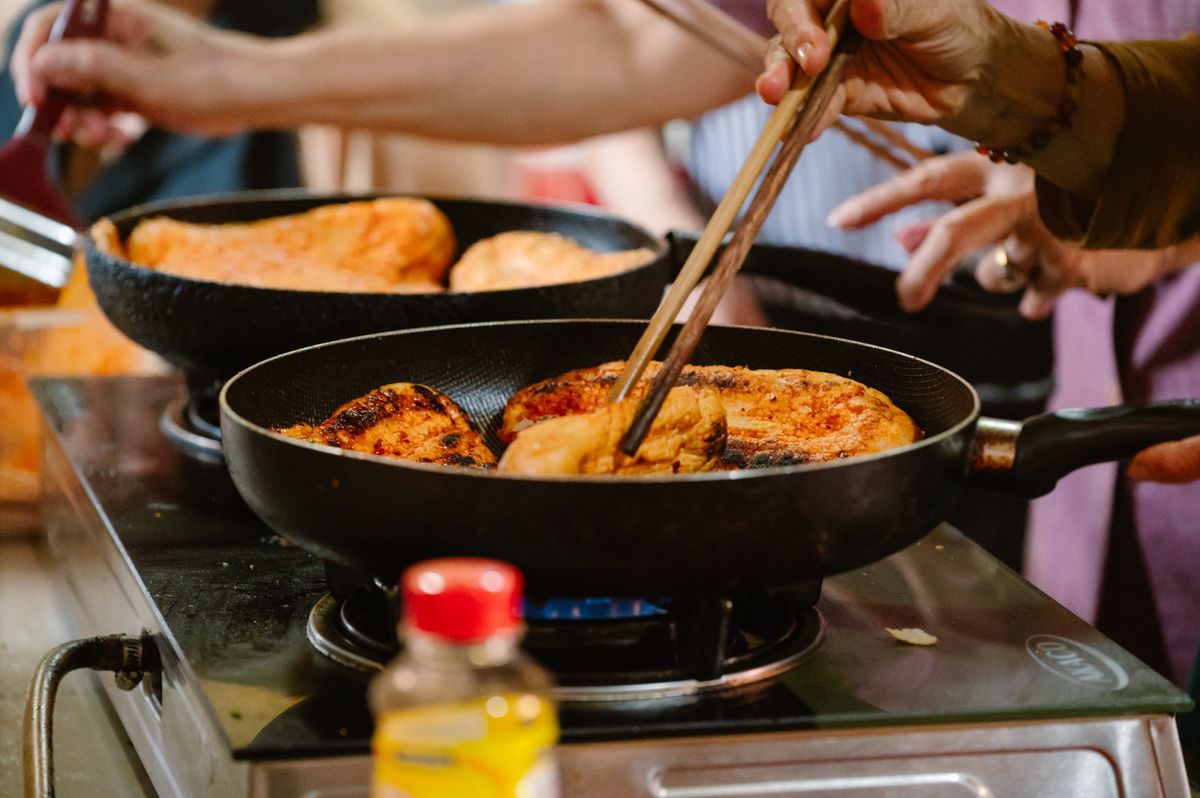
When the goal is browned ground beef, adding the meat to a properly heated skillet can help the browning process get started more effectively. A cold pan can lose more heat once the beef is added, which may slow down the development of those browned surfaces.
Food Network’s method for cooking ground beef explains heating oil over medium-high heat until it shimmers before adding the meat. The idea is not that every ground beef recipe must begin the same way, but that browning depends on giving the meat a hot surface to work with.
For tacos, chili, or pasta sauce where browned beef is the starting point, a preheated skillet can help create more color and flavor before the other ingredients go in.
Crowding the Skillet
A full pan may seem like the fastest way to cook a large batch of ground beef, but too much meat in too little space can make browning more difficult. Ground beef releases moisture as it cooks, and when the skillet is crowded, that moisture may not evaporate as efficiently.
Instead of getting plenty of direct contact with the hot pan, the beef can spend more time surrounded by liquid. The result may be softer, paler meat rather than deeply browned crumbles.
Using a wider skillet and spreading the beef into an even layer gives the meat more room. If the amount of beef is too much for the pan, cooking it in batches can help maintain better contact with the cooking surface. Cook’s Illustrated explains that ground beef releases liquid as it cooks and that moisture must evaporate before browning can take place.
Breaking It Up Too Soon
Many cooks immediately attack ground beef with a spatula, turning it into tiny pieces the moment it hits the skillet. While fine crumbles are useful for many dishes, breaking the meat apart too early can reduce the chance for larger browned surfaces to form.
Food Network recommends starting with larger pieces, allowing them to brown, and breaking them up further afterward. This gives the meat more opportunity to develop color before it becomes a collection of small pieces.
The goal is not to keep the beef chunky forever. It is simply to let the skillet do some browning work before shaping the meat into the texture you want for tacos, casseroles, rice bowls, or sauces.
Stirring Every Few Seconds
Constant stirring is another habit that can work against browning. Each time the beef is moved around the pan, some areas lose direct contact with the hot surface before they have much chance to develop color.
Food Network recommends leaving the beef undisturbed during the initial browning stage. Giving the meat some time in contact with the skillet allows more browned areas to form before the beef is stirred and combined.
This does not mean the beef should never be moved. Stirring is part of cooking ground beef, especially when breaking it apart or combining it with other ingredients. The difference is allowing some uninterrupted contact first when browned meat is the desired result.
Adding Liquid Before the Beef Browns
Adding sauce, broth, or other wet ingredients too early can make it harder for ground beef to brown. Browning depends on moisture being able to evaporate, and extra liquid in the pan can interfere with that process.
Cook’s Illustrated notes that liquid works against browning, which is why many recipes brown meat before adding wetter ingredients. For example, ground beef for a pasta sauce is often browned first before tomato sauce is introduced.
If a recipe is meant to highlight browned beef, let the meat develop color before adding ingredients that increase moisture. For dishes designed to be more integrated and saucy from the beginning, the cooking approach may be different.
Underseasoning the Beef
Ground beef can become the foundation of a dish, but it still needs thoughtful seasoning. One common mistake is treating the meat as if the final sauce, toppings, or other ingredients will automatically provide all the flavor.
There is no single seasoning schedule that applies to every recipe. Food Network seasons ground beef after its initial browning stage, while MeatEater seasons after the beef has browned or crisped. Other recipes may season earlier.
The practical lesson is to season deliberately according to the dish you are making. Consider how the beef will be used, what other ingredients will be added, and taste the finished mixture before serving so the overall flavor is balanced.
Using the Same Technique for Every Batch
Ground beef does not always need to be cooked exactly the same way. The best approach can depend on how much meat you are cooking, the size of the skillet, the desired crumble size, the type of dish, and the result you want.
A batch of beef for chili may be handled differently from beef for a meat sauce or a filling where the texture is meant to blend into the rest of the dish. Some recipes benefit from focusing on deeper browning, while others are built around softer, more integrated meat.
The key is knowing what result you are aiming for. If browned ground beef is the goal, prioritize heat, pan space, and surface contact before aggressively stirring, finely crumbling, or adding wet ingredients. Brown first, then adjust the texture and finish the dish from there.
Cooking ground beef well is less about following one strict rule and more about understanding what the skillet needs. When you give the meat enough room and enough time to brown, simple everyday meals can develop more texture and flavor without requiring complicated steps.