9 Reasons Europe’s Trump-Style Trade Threat Could Blow Up In Its Face
Europe spent years warning the world about Donald Trump’s trade-war politics. Now, under pressure from China, tariffs, factory fears, and rare-earth dependency, Europe is flirting with a playbook that looks uncomfortably familiar.
The message from Brussels is no longer soft diplomacy wrapped in polite language. It is sharper, colder, and more defensive.
One EU diplomat reportedly summed up the mood with a brutal line: Europe no longer lives in a world of “pink ponies and rainbows.” That may sound colorful, but behind it is a serious warning. Europe may be preparing to stop talking like a free-trade idealist and start acting like a cornered economic power.
Here are 9 reasons this brewing trade fight could become one of the most explosive economic stories of the year.
Europe Is Tired Of Playing Nice While China Runs Up The Score
The biggest problem is the trade gap.
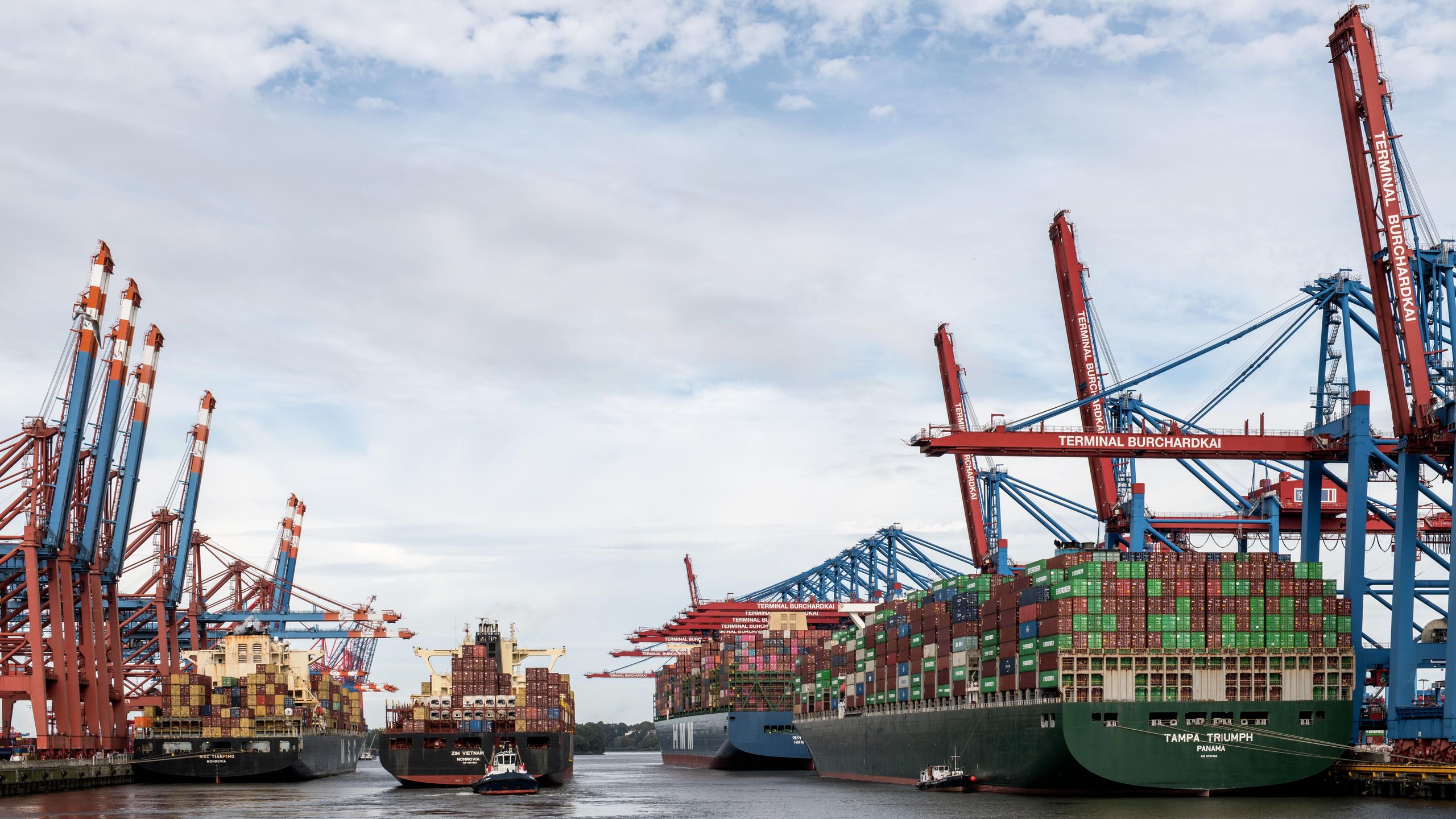
China’s goods trade surplus with the European Union has grown into a massive political headache. European leaders now see the imbalance as more than a spreadsheet issue. They see it as a sign that Europe is buying too much, producing too little, and depending too heavily on a rival it does not fully trust.
Critics may argue that Europe helped create this problem by chasing cheap imports for years. Supporters of a tougher line may say Brussels finally woke up.
Either way, the old arrangement looks weaker by the day.
The “Pink Ponies” Quote Exposes Europe’s New Mood
Diplomats are usually trained to sound boring. That is why the “pink ponies and rainbows” quote hit so hard.
It suggested that Europe’s political class is no longer pretending global trade is guided by goodwill. The tone has shifted from cooperation to survival.
That matters because language often changes before policy does. When officials start talking about wolves, protection, and defensive tools, they are preparing voters and businesses for a harder era.
Trump’s Playbook Is Suddenly Looking Less Unthinkable
For years, Trump’s tariff-heavy approach was treated in Europe as reckless, disruptive, and too aggressive. Now Europe is openly discussing tools that sound closer to economic hardball.
That does not mean Europe is completely copying Trump. The EU still moves through committees, reviews, rules, legal processes, and member-state negotiations.
But the mood is similar: protect domestic industry, punish unfair trade behavior, and stop pretending every import is harmless just because it is cheap.
The irony is difficult to miss.
France Wants A Hammer, But Germany Fears The Blowback
Europe’s internal split may be the real story.
France wants a tougher line. That fits its long-standing preference for industrial protection and strategic independence. Paris sees the China problem as urgent and wants Europe to defend itself with stronger tools.
Germany is more cautious. That also makes sense. German companies have deep export ties, complex supply chains, and a lot to lose if the fight escalates.
Spain has also sounded more careful, leaning toward bridge-building rather than confrontation.
So Europe is angry, but not fully united. That is dangerous because a trade war requires discipline, not just outrage.
China’s Rare-Earth Power Makes This More Than A Tariff Fight
This is not just about cars, steel, batteries, or cheap goods.
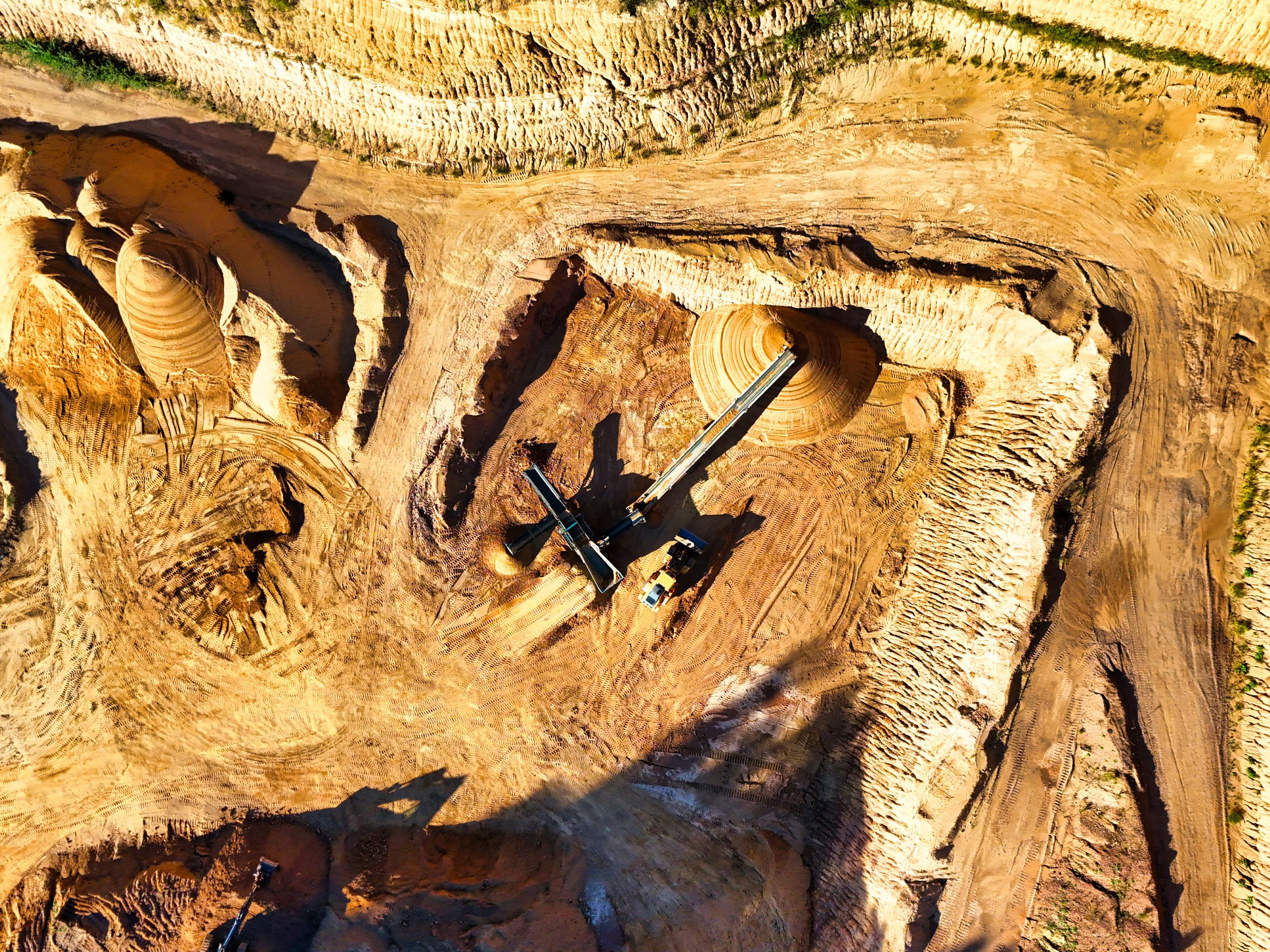
China’s dominance in critical minerals gives Beijing leverage that Europe cannot easily ignore. Rare earths and other key materials are essential to electric vehicles, defense, clean energy, electronics, and advanced manufacturing.
That means Europe is not simply arguing about trade numbers. It is worrying about strategic vulnerability.
If China can squeeze access to key inputs, European factories could feel the pain quickly. That is why this debate feels bigger than a normal tariff dispute.
Electric Vehicles Are Already A Warning Shot
Chinese electric vehicles have become one of the clearest symbols of Europe’s fear.
European automakers are under pressure, and Chinese brands have moved aggressively into global markets. Brussels has already imposed additional duties on Chinese-made EVs, arguing that state support has given Chinese producers an unfair edge.
China did not simply shrug. It responded with pressure on European products, including sensitive sectors such as dairy and brandy.
That is the danger of trade fights. They rarely stay in one lane. A car dispute can become a farm dispute. A battery dispute can become a luxury-goods problem.
Consumers Could End Up Paying For The Fight
Trade wars are usually sold as protection for workers and industries. But consumers often meet them at the checkout line.
If Europe raises duties, restricts imports, or forces companies to diversify suppliers, costs may rise. That can hit cars, electronics, appliances, green-energy equipment, and everyday goods that depend on global supply chains.
Supporters may argue that the higher cost is worth it if it protects jobs and reduces dependence on China. Critics may say ordinary families will pay for political theater.
That is where the debate becomes personal. Economic security sounds noble until the bill lands in the household budget.
America Is Watching: A Strange Role Reversal
For Americans, the story carries an odd twist.
Trump’s trade style was once treated by many European leaders as a warning sign. Now Europe is facing its own version of the same dilemma: what happens when open markets feel like a trap?
That does not mean Trump was right about everything. Trade wars can cause damage, retaliation, and higher prices. But Europe’s new posture shows that even critics of protectionism can become protectionist when their own industries feel threatened.
The debate is no longer about whether tariffs are ugly. It is about whether countries now see them as necessary weapons in a harsher global economy.
Europe May Be Too Slow For The Fight It Is Entering
The EU’s biggest weakness may be speed.
China can move fast. The United States can move fast under a president willing to use executive power aggressively. Europe, by design, moves through negotiation, consensus, legal review, and institutional caution.
That system can prevent reckless decisions. It can also make Europe seem slow when competitors adapt quickly.
If Brussels wants to act tougher, it must prove it can move faster without breaking its own rules. That is a difficult balance.
Europe wants to defend its industries, reduce its dependence on China, and avoid looking weak. But it also wants to avoid a full-blown trade war that could hurt consumers, divide member states, and invite retaliation.
That is the uncomfortable truth behind the tough talk.
Europe may no longer believe in pink ponies and rainbows. But if it starts playing by the rules of wolves, it should not be shocked when the wolves bite back.