America’s Best Burger Chain Ranking Shows Why In-N-Out Beats McDonald’s, Burger King, and Wendy’s
America’s burger war has never been only about beef, cheese, buns, fries, and drive-thru speed. It is also about loyalty, memory, price, freshness, and the quiet feeling customers get when a meal still seems worth the money.
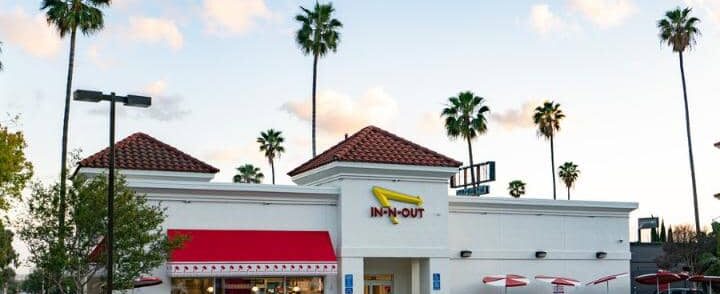
That is why Yelp’s ranking of the best burger chains in America feels bigger than another food list. The top spot did not go to McDonald’s, Burger King, or Wendy’s. It went to In-N-Out Burger, a chain with a smaller footprint, a famously simple menu, and a level of customer loyalty that many larger brands spend billions trying to create.
The ranking reveals a sharp divide in American fast food. McDonald’s may own the map, but In-N-Out appears to own more of the emotional loyalty.
Yelp’s list placed In-N-Out at No. 1, followed by The Habit Burger Grill, Shake Shack, Culver’s, and Islands Restaurants. That top five tells a clear story. Customers are not simply rewarding size. They are rewarding chains that feel focused, consistent, and memorable.
In-N-Out Wins Because Customers Still Trust the Experience
In-N-Out’s win is striking because the chain does not operate like a typical national fast food giant. It is not available everywhere. It does not flood the market with constant menu experiments. It does not depend on a huge rotating board of new sauces, celebrity meals, breakfast items, or app-only deals.
Its strength is restraint.
The menu is built around burgers, fries, and shakes, with a few familiar combinations customers already know. That simplicity is not a weakness. It is one of the main reasons the brand feels so dependable.
When customers visit In-N-Out, they know what kind of meal they will get. They know the burger will taste familiar. They know the order will feel direct. They know the chain is not trying to reinvent itself every month.
In a fast food world full of noise, that kind of consistency has become powerful.
The Biggest Burger Brands Did Not Win Customer Love
The most interesting part of Yelp’s ranking is not only that In-N-Out won. It is that the biggest burger brands in America landed much lower.
McDonald’s placed No. 17. Burger King came in at No. 19. Wendy’s landed at No. 22.
That does not mean those chains are failing. McDonald’s remains one of the most powerful restaurant brands in the country. Burger King and Wendy’s still serve millions of customers and operate across a huge national footprint.
But there is a difference between being visited and being loved.
A customer may choose McDonald’s because it is nearby, fast, familiar, or open late. That same customer may still leave a stronger review for In-N-Out, Culver’s, The Habit, or Shake Shack because the meal felt fresher, more satisfying, or more worth the price.
Sales measure reach. Reviews measure reaction.
That difference is why Yelp’s ranking feels so revealing. It captures the chains customers felt strongly enough to praise, not merely the chains they visited because they were convenient.
Value Has Become the Real Burger War
In today’s fast food market, value is no longer just about who has the cheapest burger. It is about whether customers feel respected after they pay.
Restaurant prices remain a major pressure point for American diners. Limited service meals have continued to rise, and many customers now pay closer attention to every receipt than they did a few years ago.
That makes In-N-Out’s reputation for value especially important.
The best burger is no longer judged by flavor alone. It is judged by the whole experience. Was the meal hot? Did the burger taste fresh? Was the order correct? Did the price feel reasonable? Did the customer walk away satisfied or annoyed?
This is where In-N-Out has an advantage. Many fans do not claim it is the most luxurious burger in America. They defend it because it feels reliable, fresh, and fair.
In a market where customers are tired of paying more for meals that feel smaller, colder, or less consistent, that matters.
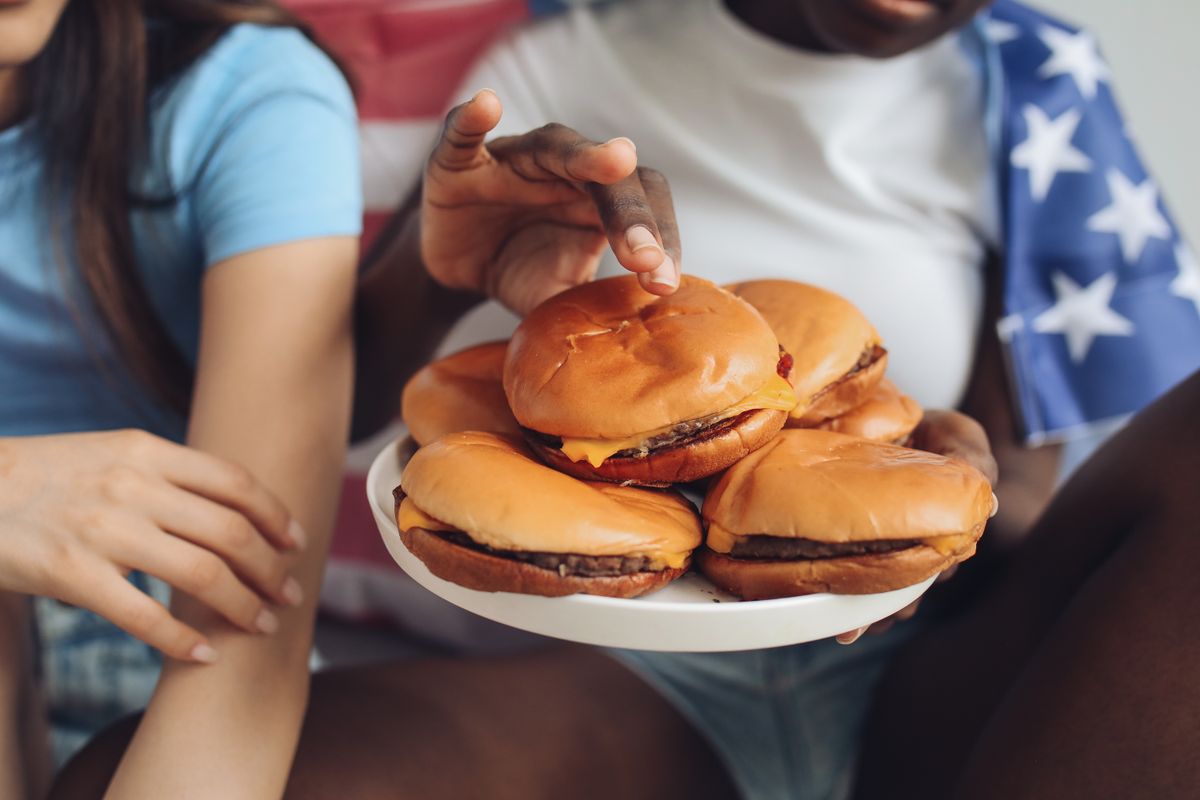
In-N-Out’s Simple Menu Is a Business Weapon
In-N-Out’s limited menu is often discussed as part of its charm, but it is also a serious business advantage.
Many major chains compete by adding more. More sandwiches. More sauces. More breakfast items. More limited-time meals. More app promotions. More combo options. More seasonal products.
That approach can create excitement, but it can also create confusion. A bigger menu can slow operations, increase mistakes, and make the core product feel less important.
In-N-Out takes the opposite path.
The chain has trained customers to expect the same basic experience every visit. That makes the brand feel less chaotic, more familiar, and easier to trust. It also allows employees to focus on doing fewer things well.
That kind of discipline is rare in fast food. It is also part of why customers continue to see In-N-Out as different.
Freshness Explains Why In-N-Out Expands Slowly
One of the most important facts behind In-N-Out’s reputation is its careful approach to expansion.
The chain has never grown like a brand desperate to be on every corner. Its expansion has often been tied to supply lines, production facilities, and the company’s ability to support restaurants with fresh ingredients.
That slower pace can frustrate fans in states without In-N-Out locations, but it also protects the brand.
Many chains grow first and fix problems later. In-N-Out appears to prioritize the food system first, then grow when it believes the quality can be sustained.
That is why scarcity has become part of the story. The burger chain that many Americans cannot easily visit still managed to become the one customers rate most highly.
That irony makes the ranking more dramatic. In-N-Out does not need to be everywhere to remain one of the most talked-about burger chains in America.
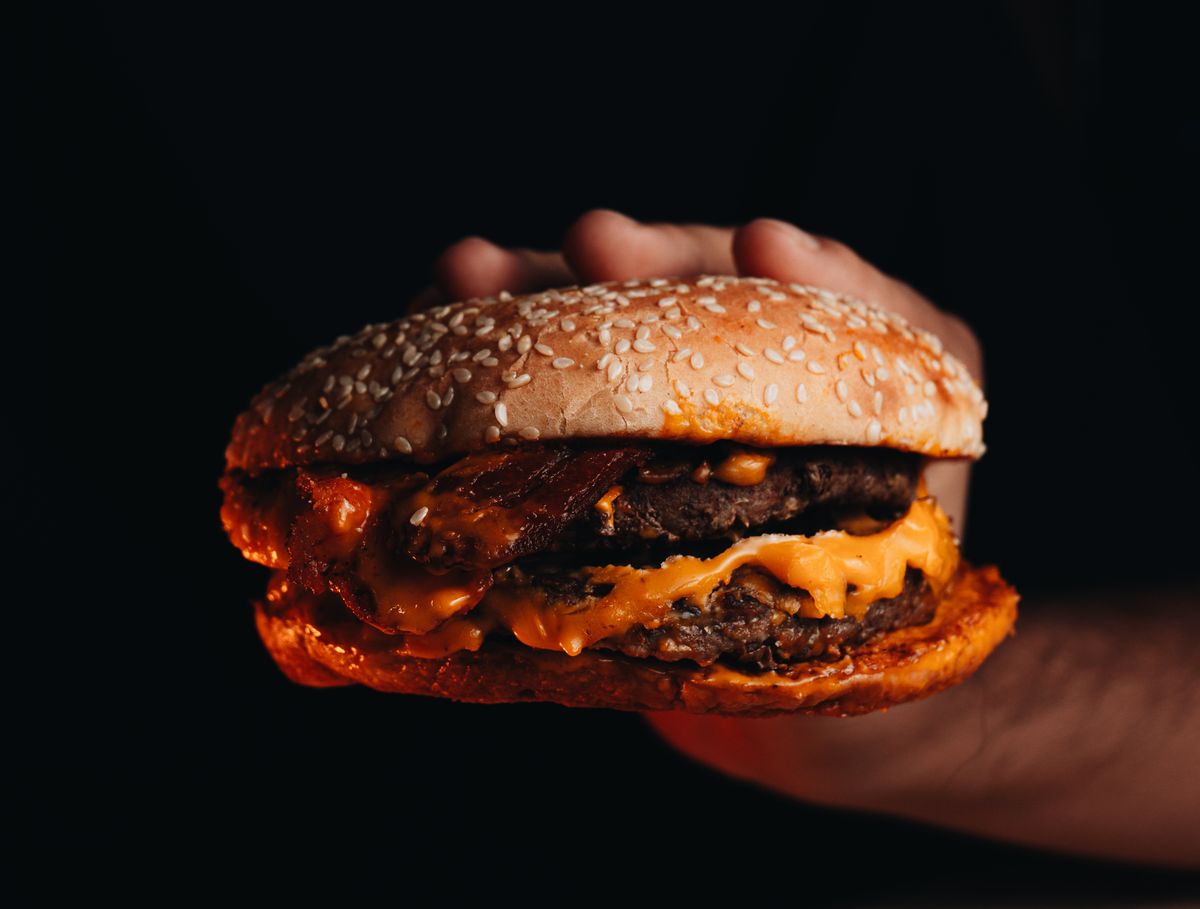
The Habit Burger Grill Is the Sleeper Story
The Habit Burger Grill’s No. 2 finish deserves more attention.
Many readers may expect In-N-Out, Shake Shack, Five Guys, or Culver’s to dominate the top of a burger ranking. The Habit’s second-place position makes the list more interesting because it shows how powerful a clear food identity can be.
The Habit began in Santa Barbara in 1969 and built its reputation around chargrilled burgers cooked over an open flame. That detail matters because it gives customers a flavor cue they can immediately understand.
In a category crowded with griddled patties and similarly looking premium burgers, The Habit stands out. Its open-flame identity makes the burger feel closer to a backyard cookout than a standard fast-food sandwich.
That helps explain why customers respond to it. The brand may not inspire the same loud cultural debate as In-N-Out, but its ranking shows that frequent visitors come away impressed.
Shake Shack Proves Value Does Not Always Mean Cheap
Shake Shack’s No. 3 ranking adds another layer to the story.
This is not simply a list about low prices. Shake Shack represents the premium side of the burger market. Its meals often cost more than traditional fast food, but customers still reward the brand when the food, setting, and experience feel worth the bill.
That is an important distinction.
Value does not always mean the lowest price. Sometimes value means the customer believes the burger, the room, the service, and the brand experience justify the cost.
Shake Shack has built its identity around that idea. It began as a small New York food stand and grew into a national fast casual name with a more polished feel than the average drive-thru burger chain.
Its strong placement shows that customers are willing to pay more when they believe the experience delivers something better.
Culver’s Shows How Regional Identity Can Travel
Culver’s ranking at No. 4 is another major signal.
The Wisconsin-born chain has grown far beyond its home state, but it still feels tied to the Midwest. Its ButterBurgers, frozen custard, cheese curds, and neighborly brand voice give it a clear personality.
That personality matters.
Culver’s did not abandon its Wisconsin identity as it expanded. It carried that identity into new states and turned it into a national comfort food advantage.
Customers do not only visit Culver’s for a burger. They visit for a feeling. The brand promises warmth, familiarity, and a style of service that feels less rushed than at a typical fast-food stop.
That is why Culver’s rise is so important. It shows that regional identity can become a national strength when a brand expands without losing its roots.
Why McDonald’s, Burger King, and Wendy’s Fell Behind
The lower rankings for McDonald’s, Burger King, and Wendy’s do not mean customers have abandoned them. It means customers may be separating convenience from affection.
The largest chains have a different challenge. They serve more people, operate more restaurants, and manage more variables. That scale can create inconsistency. One visit may be fine. The next may disappoint.
Large brands also face pressure to chase every kind of customer. They need breakfast buyers, lunch crowds, late-night diners, app users, value seekers, families, commuters, and delivery customers.
That can make the burger feel less central.
In-N-Out, The Habit, Shake Shack, and Culver’s have clearer identities. Customers know what those brands are supposed to be. That makes it easier for the meal to match expectations.
The giants are still powerful. But Yelp’s ranking suggests that power and affection are not the same thing.
America Is Rewarding Focused Fast Food Again
The bigger lesson from Yelp’s burger ranking is not just that In-N-Out won. The bigger lesson is that customers appear to be rewarding fast food chains that know exactly what they are.
In-N-Out is simple and consistent. The Habit is chargrilled and California-rooted. Shake Shack is premium and modern. Culver’s is Midwestern comfort with national reach.
Each of these brands has a clear promise.
That clarity matters because many customers are tired of paying more for meals that feel less satisfying. They want food that tastes fresh. They want prices that feel fair. They want brands that do not seem confused about their own identity.
The modern burger war is not only about who can open the most locations. It is about who can deliver the least disappointing experience.
That may sound simple, but in fast food, it is difficult to achieve at scale.
Final Thoughts
The lesson from Yelp’s burger ranking is not that America has stopped eating at McDonald’s, Burger King, or Wendy’s. Those chains remain deeply embedded in daily life.
The lesson is that customers can separate convenience from affection.
They may still visit the giants because the restaurants are nearby, familiar, and fast. But the strongest praise is going to chains with clearer identities, tighter menus, stronger regional loyalty, and a meal that still feels worth the price.
In-N-Out’s win says something powerful about what American diners want now. They do not always need the biggest menu, the loudest campaign, or the most locations.
They want a burger that feels dependable.
They want a price that feels fair.
They want a chain that still seems to understand why they came in the first place.
In the modern burger war, the winner is not simply the chain with the most signs on the highway. It is the chain that makes customers feel the least disappointed when they open the wrapper.