America’s Car Culture Is Facing a New Threat as Arizona Builds a Neighborhood Where Cars Are No Longer Welcome
In a region known for massive highways, endless parking lots, and a culture built around driving everywhere, a small Arizona neighborhood is creating a radically different vision of American living. Culdesac Tempe, located in Tempe near Phoenix, has become one of the country’s most closely watched urban experiments by proving that a community can function without giving every resident a private parking space.
Spread across roughly 16 to 17 acres, Culdesac replaces traditional car-centered planning with pedestrian pathways, outdoor gathering areas, local businesses, and direct access to public transportation. Instead of designing homes around garages and driveways, developers designed the neighborhood around people, how they walk, socialize, shop,, and move through their daily lives.
The experiment is especially striking because it is happening in Arizona, one of the most car-dependent states in America. Phoenix is famous for sprawling suburbs, long commutes, and wide roads built for vehicles. Yet inside Culdesac, residents experience something closer to a Mediterranean village, where walking paths, shaded plazas, and neighborhood businesses replace the constant traffic.
A Bold Experiment in the Middle of America’s Car Capital
Culdesac’s biggest challenge was also its biggest opportunity: location.
Building a car-free neighborhood in a dense city like New York or Chicago would not attract the same attention because many residents already have access to public transportation. Creating one in the Phoenix area, where owning a vehicle has traditionally been considered almost unavoidable, required developers to rethink what modern American housing could look like.
The community was designed around the idea that people do not necessarily need cars; they need reliable ways to reach the places that matter. Instead of forcing residents into one transportation option, Culdesac combines walking, cycling, public transit, ride-sharing, and shared electric vehicles.
The neighborhood sits beside the Valley Metro light rail system, allowing residents to connect with major destinations throughout the Phoenix region. A person living at Culdesac can walk from their apartment to a train station and travel without immediately getting into a personal vehicle.
Removing Parking Created Space for People Instead of Cars
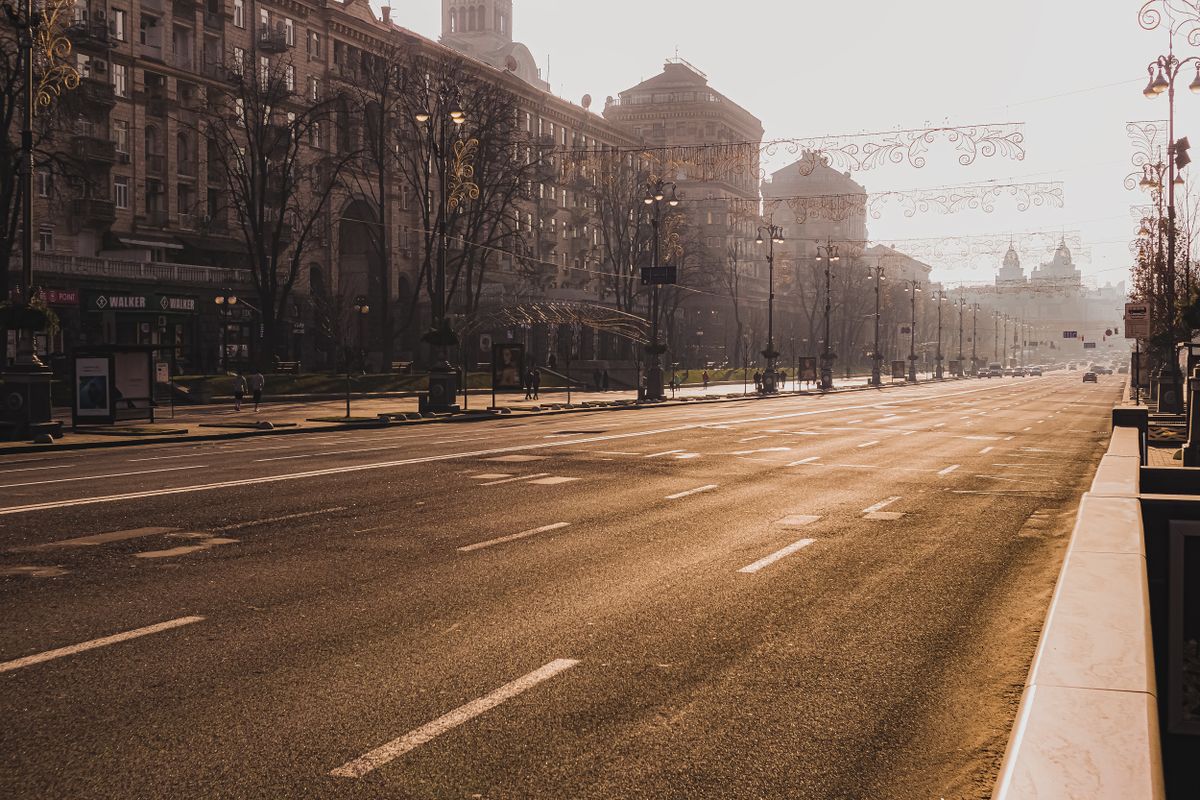
For decades, American neighborhoods have been shaped by one major question: where will everyone park?
Apartment complexes, shopping centers, and residential developments often dedicate enormous amounts of land to parking lots and garages. These spaces remain unused for much of the day, increasing construction costs and creating large areas of heat-absorbing pavement.
Culdesac takes the opposite approach.
By removing residential parking, developers created room for walking paths, restaurants, public spaces, and community areas. The neighborhood’s narrow pedestrian routes, known as paseos, encourage residents to move through the area on foot rather than traveling between buildings by car.
The result is a community where the spaces between buildings become just as important as the buildings themselves. Instead of streets designed mainly for vehicles, outdoor areas become places where people gather, talk, and spend time.
The Numbers Behind the Car-Free Community
The scale of Culdesac may be small compared with an entire city, but its impact has attracted national attention. The project covers approximately 17 acres, includes hundreds of planned residential units, and creates a neighborhood environment designed around walking rather than parking.
The development includes restaurants, shops, fitness spaces, outdoor areas, and other everyday amenities that reduce the need to drive. Residents can complete many daily activities without leaving the community, while regional travel remains possible through nearby transit connections.
The numbers highlight the broader idea behind the project: even in a metropolitan area built around cars, it is possible to create a neighborhood where transportation choices extend beyond simply owning a vehicle.
A New Approach to Transportation: Car-Free but Still Connected
One of the biggest misconceptions about Culdesac is that residents are completely disconnected from cars.
That is not the case.
The neighborhood’s goal is not to eliminate every vehicle from life. Instead, it focuses on reducing dependence on private car ownership. Residents can still use ride-sharing services, electric vehicles, and car-sharing options for longer-distance transportation.
The system creates what developers describe as a “mobility-rich” environment, a place where people have multiple ways to travel depending on the situation.
A resident might walk to a nearby restaurant, take light rail to work, ride an e-bike for errands, or use a shared vehicle for a larger trip. The idea is simple: different journeys require different solutions.
Why Culdesac Looks More Like Greece Than Phoenix
Visitors often compare Culdesac to Mediterranean towns, and the resemblance is intentional.
The neighborhood’s architects studied older European villages where buildings were designed before automobiles changed city planning. Places in Greece, Italy, and southern France developed naturally around human movement, with compact buildings, shaded paths, and public gathering spaces.
Culdesac brings some of those principles into the Arizona desert.
The buildings are arranged closely together to create shade, while pedestrian pathways replace wide vehicle lanes. White exterior surfaces help reflect sunlight, and landscaping choices focus on reducing heat while conserving water.
The design recognizes that older communities solved many climate challenges through architecture long before modern technology existed.
Fighting Arizona Heat Through Smarter Design
Creating a walkable neighborhood in Phoenix comes with a major challenge: extreme heat.
Phoenix has experienced record-breaking heat in recent years, with temperatures reaching dangerous levels during long summer periods. Traditional suburban development often makes the problem worse because large parking areas and asphalt roads absorb and release heat throughout the day.
Culdesac attempts to reduce that effect through design.
The community uses reflective surfaces, shaded walkways, closely positioned buildings, and desert-friendly landscaping to create more comfortable outdoor spaces. The goal is to make walking realistic even in one of America’s hottest metropolitan areas.
While no neighborhood can eliminate desert heat completely, Culdesac demonstrates how architecture can influence comfort and reduce reliance on indoor spaces.
Local Businesses Help Turn Apartments Into a Real Neighborhood
Many American apartment developments function primarily as places to sleep. Residents often leave in the morning, drive elsewhere for work and shopping, then return home at night.
Culdesac tries to create a different rhythm.
The neighborhood includes restaurants, retail spaces, and small businesses designed to bring daily activity closer to residents. Instead of driving several miles to meet basic needs, people can find more options within walking distance.
This approach also creates opportunities for entrepreneurs. Smaller businesses benefit from foot traffic, while residents gain access to services without needing a vehicle.
The result is a community that feels active throughout the day rather than empty between morning and evening.
Could Car-Free Neighborhoods Spread Across America?
Culdesac is not a one-size-fits-all solution for every American city.
A neighborhood without cars requires certain conditions to succeed. Public transportation must be reliable, businesses must be nearby, and streets outside the development must still support walking and cycling.
A car-free community built far away from jobs, schools, and essential services would face major challenges.
However, Culdesac demonstrates that American cities have more options than simply building more roads and parking spaces. Developers and city planners are increasingly exploring communities that prioritize accessibility over automobile ownership.
The project provides a real-world example of what happens when planners start with a different question: not “How do we fit more cars?” but “How do we create better places for people?”
The Future of American Neighborhoods May Be About Choice
Culdesac does not suggest that every American will suddenly stop driving. Cars remain essential for millions of people, especially in areas without strong transit networks.
But the neighborhood challenges the assumption that everyone must own one.
For decades, American development has followed a familiar pattern: build farther away, expand roads, and create more parking. Culdesac offers another possibility for communities where transportation choices are built into the design from the beginning.
The future of cities may not be completely car-free.
Instead, it may be about creating neighborhoods where owning a car is optional rather than unavoidable.
Culdesac Tempe is a small experiment in Arizona, but it represents a much larger question facing Am