Bay Area May Delay Gas Water Heater Rules as Families Raise Cost and Installation Concerns
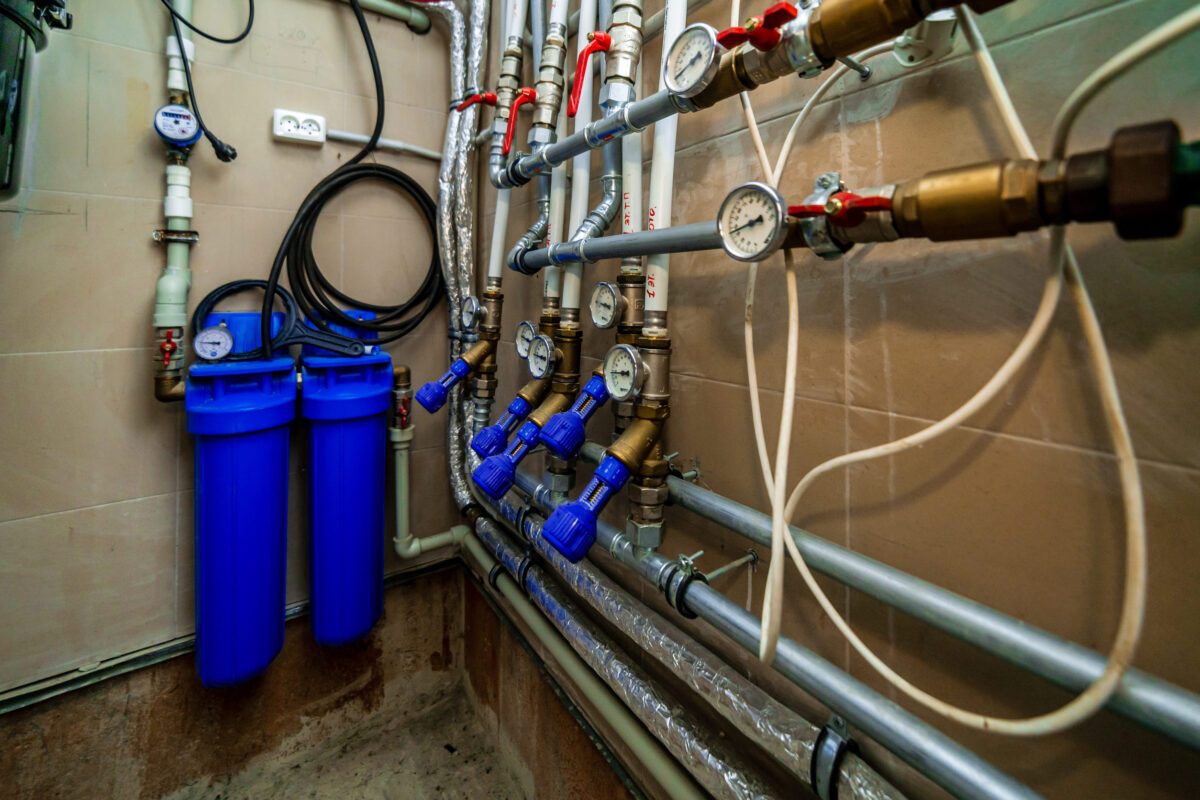
For most Bay Area residents, a water heater is not something they think about until the shower suddenly turns cold.
That is why a proposed change to the region’s gas water heater rules could directly affect thousands of households. Bay Area air regulators are considering delaying the start of new zero-emission standards while creating more exemptions for people who cannot reasonably install an electric heat pump water heater.
The Bay Area Air Quality Management District released updated details on July 14. The proposal would move the main compliance date for residential water heaters from Jan. 1, 2027, to Jan. 1, 2028.
Larger water-heating systems, often used in apartment buildings and commercial properties, could receive an even longer delay. Their start date may move from 2031 to 2033.
The proposal is not final. The district’s board is expected to consider the changes later in 2026.
What would the rule mean when a water heater breaks?
The rule would not force anyone to remove a working gas water heater.
Residents could continue using their current equipment until it breaks, becomes unsafe, or needs replacement. Repairs would also remain allowed.
The bigger change would come when a homeowner needs to buy a new water heater. After the rule takes effect, most newly manufactured systems sold or installed in the Bay Area would need to meet a zero-nitrogen-oxide emissions standard.
At the moment, electric water heaters are the main products capable of meeting that requirement.
For a family whose gas water heater stops working, a simple replacement could turn into a larger home project. A heat pump water heater may require electrical upgrades, more installation space, new wiring, or changes to ventilation.
That is one reason the district is proposing a delay.
Officials say manufacturers, stores, contractors, and homeowners need more time to prepare. The extra year could also give the district time to establish a system for processing exemptions.
The rules would apply across Alameda, Contra Costa, Marin, Napa, San Francisco, San Mateo, and Santa Clara counties. They would also cover parts of Solano and Sonoma counties.
Gas stoves, ovens, and clothes dryers are not included. The proposal focuses on covered water-heating equipment.
High installation costs could affect household budgets.
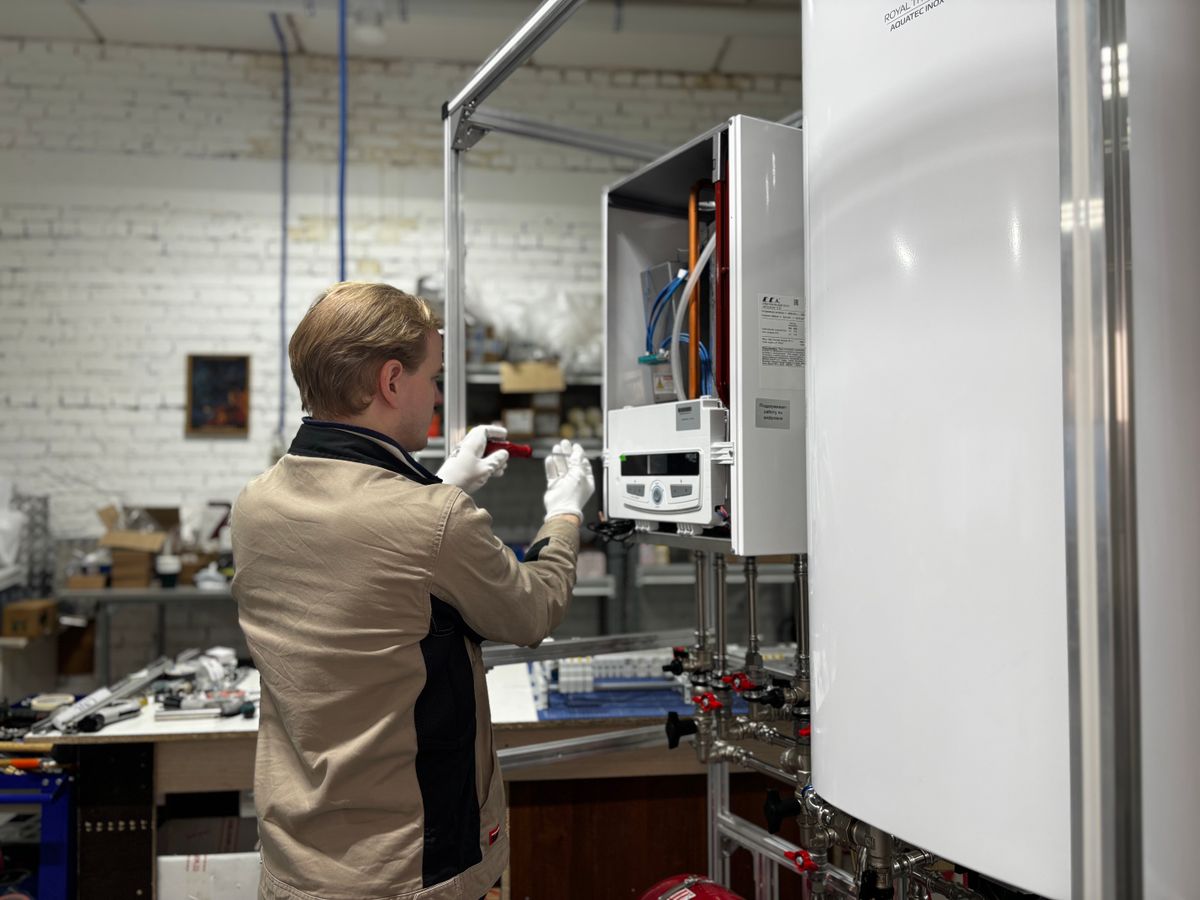
The price of replacing a water heater is one of the biggest concerns surrounding the rule.
District staff estimates that installing a heat pump water heater may cost about $3,500 more than replacing an old gas unit with another gas model. The equipment itself can be more expensive, while electrical work, permits, and installation changes can raise the final bill.
For a homeowner already dealing with rising insurance, mortgage, utility, and repair costs, an unexpected water heater failure could create serious financial pressure.
The impact could also reach renters.
Landlords generally pay for major building equipment, but higher repair and replacement expenses can affect property operating costs. Any effect on rents would depend on local laws, lease terms, and the choices made by individual property owners.
The proposed exemptions are designed to reduce the burden on households facing the greatest challenges.
Low-income homeowners could qualify by showing participation in programs such as Medi-Cal, CalFresh, CalWORKs, CARE, FERA, WIC, or Supplemental Security Income.
Some owners could also qualify if their mortgage and property tax costs take up a large share of their household income.
Bay Area Air District Board Chair Lynda Hopkins said many residents are already “at their limit right now for the cost of living.”
Her comment reflects the difficult balance facing regulators. The district wants to reduce air pollution, but it is also trying to avoid forcing families into expensive upgrades they cannot afford.
Greg Nudd, the district’s deputy executive officer of policy, said officials had expected to make changes before the rules took effect.
“We expected that adjustments would need to be made prior to the effective dates,” Nudd said.
The updated proposal suggests regulators are responding to concerns raised by residents, property owners, contractors and housing groups.
Exemptions could help homes that are difficult to upgrade
Cost is not the only obstacle.
Some Bay Area homes were built decades before heat pump water heaters became common. Their electrical systems may not have enough power, their garages may be too small, or their water heaters may sit inside tight closets with limited airflow.
Under the proposal, property owners could receive exemptions when installation is not practical.
A licensed contractor may need to confirm whether a home’s electrical panel can support the new equipment. Other qualifying problems could include old knob-and-tube wiring, a lack of breaker space, or the need to install a long electrical connection.
Homes with small enclosed installation areas may also qualify.
That matters because heat pump water heaters usually need enough surrounding air to operate properly. Placing one inside a cramped space can make installation more difficult or require extra construction work.
The proposal also includes special treatment for apartment buildings, deed-restricted affordable housing, and businesses that use large amounts of hot water.
Restaurants, laundries, healthcare facilities, assisted-living centers, and similar businesses may face different challenges from a single-family home. Replacing the major water-heating systems in those buildings can disrupt daily operations and require extensive planning.
Temporary gas water heaters could also be allowed in emergencies. That would help households restore hot water while they wait for electrical work, permits, or a permanent replacement.
The district says reducing emissions from water heaters and furnaces would improve regional air quality. Gas-burning appliances release nitrogen oxides, which contribute to smog and harmful particle pollution.
The health benefits, however, may not be immediately visible to residents. Families are more likely to notice the upfront cost, installation work, and time required to replace their equipment.
That is why the proposed delay and exemptions are important.
For many households, the rule will not mean replacing anything immediately. But anyone whose water heater fails after the compliance date may need to check whether an electric system can work in the home, how much the project will cost, and whether an exemption is available.
Residents can submit comments on the proposal until Aug. 13. Until the district’s board approves any changes, the existing compliance dates remain in place.