More Than 500 Rohingya Feared Dead After Two Boats Vanish Off Myanmar
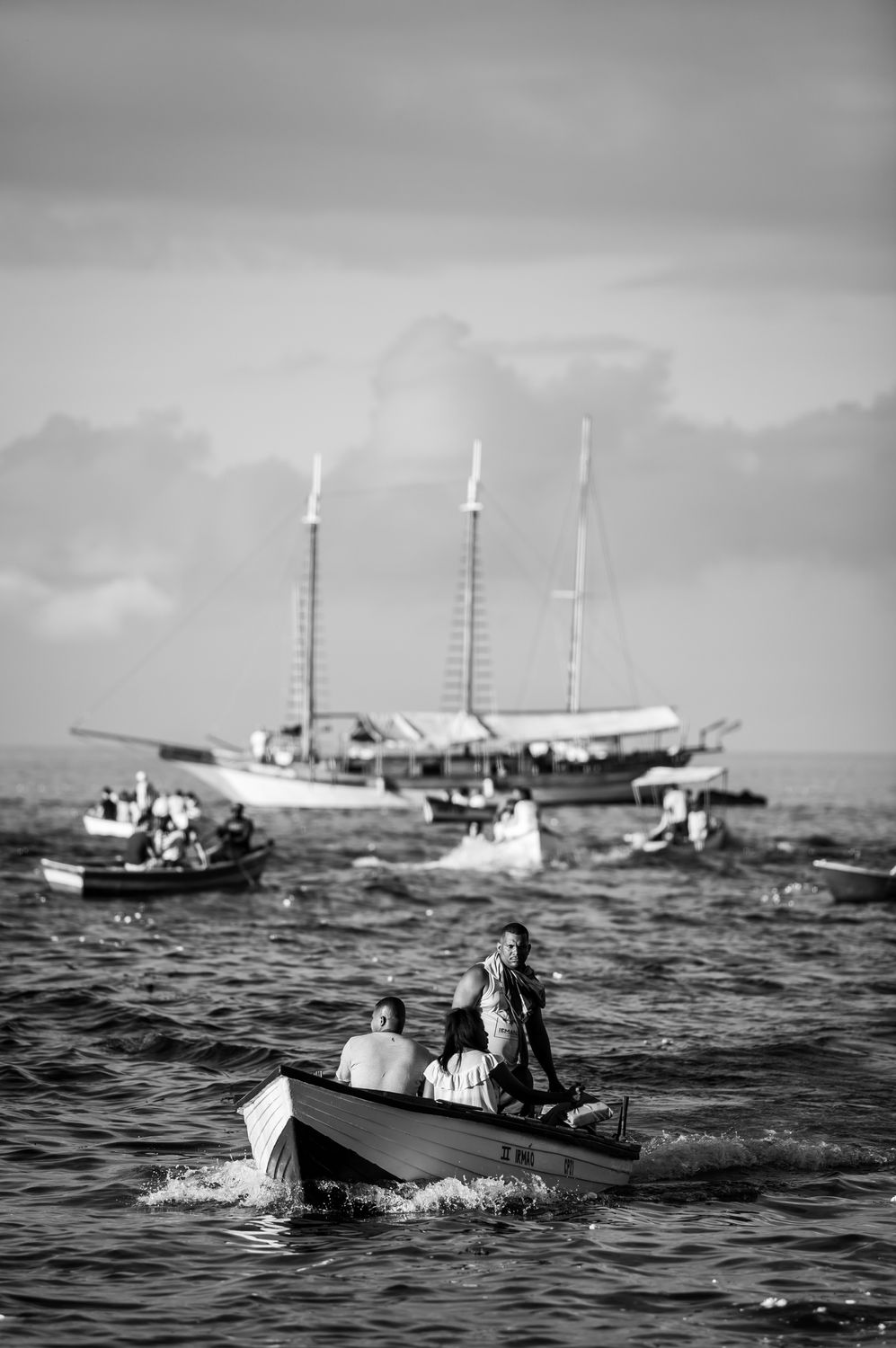
Two overcrowded boats left Myanmar’s western coast in late June. One soon disappeared from contact. The other is believed to have sunk.
Now, report says more than 500 people, most of them Rohingya, are feared dead in what could become one of the deadliest disasters on an already notorious migration route.
The International Organization for Migration and the United Nations refugee agency said the reported incidents have not been independently confirmed. The exact casualty count, identities of those aboard, and prospects of finding survivors remain unclear. Still, preliminary information has raised fears of a catastrophic loss of life off Myanmar’s coast.
Two boats, more than 500 passengers, and a few confirmed answers
Both vessels reportedly departed Rakhine State in late June carrying mostly Rohingya passengers. Some may have traveled from the vast refugee settlements in Cox’s Bazar, Bangladesh, before boarding in Myanmar.
One boat was believed to be carrying about 250 people. Contact with it was lost shortly after it departed, and officials have not publicly confirmed what happened next.
The second vessel reportedly carried around 280 passengers. It is believed to have sunk near Myanmar’s Ayeyarwady coast on July 8. No verified survivor count has been released, and authorities have not confirmed whether a large-scale rescue or recovery operation is underway.
“While the incidents and casualty figures have yet to be officially confirmed,” the agencies said, they remained “gravely concerned by the potentially devastating loss of life.”
Myanmar’s Ministry of Home Affairs has offered no public explanation. Acting police Brig. Gen. Soe Lin Aung, the ministry’s spokesperson, declined to comment, while representatives of Myanmar’s president and the Ayeyarwady regional government did not respond to requests for information.
That silence leaves major questions unanswered: Where exactly did the first boat disappear? Were distress signals received? Have fishing vessels or coastal communities encountered survivors? And how many children were aboard?
For now, officials are being careful not to present preliminary reports as established fact. The boats are believed to have capsized, and more than 500 people are feared dead, but those figures remain under investigation.
Why did anyone sail during the dangerous monsoon season?
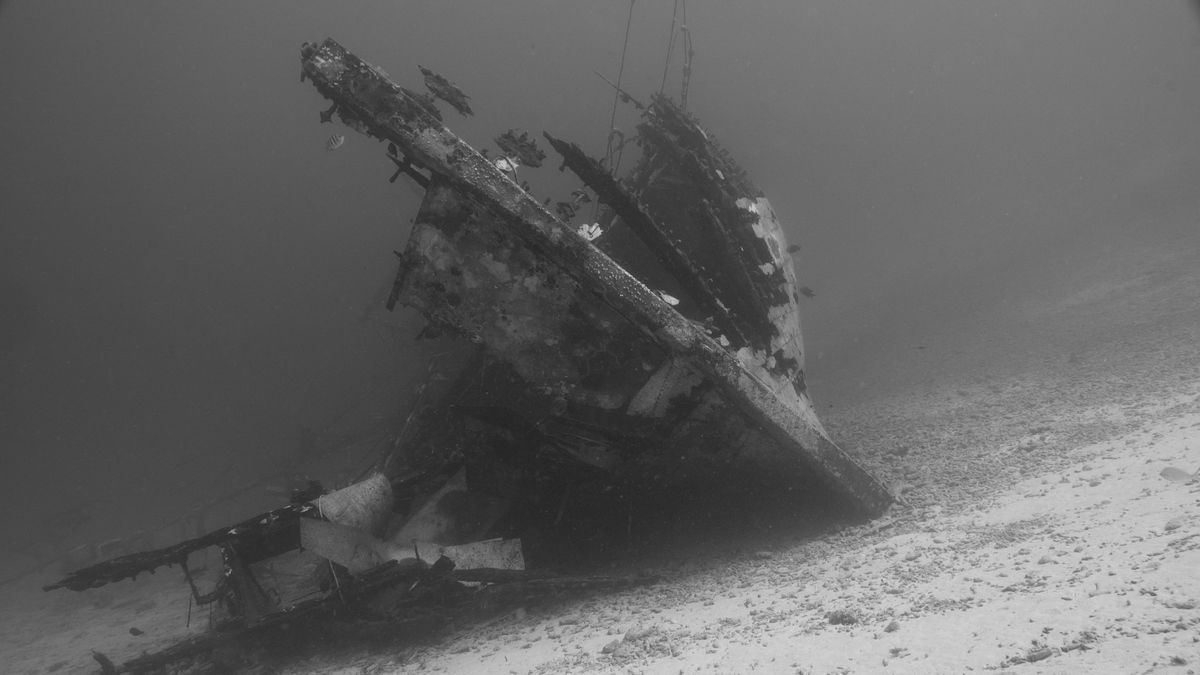
The timing of the journeys makes the situation even more alarming.
Rohingya boats usually avoid this part of the year because monsoon weather can turn the Bay of Bengal into a deadly trap. Torrential rainfall, flooding, rough seas, and poor visibility make navigation especially dangerous for the overcrowded wooden vessels commonly used by smugglers.
The two boats departed outside the usual sailing season, when conditions are generally more hazardous. Heavy rain and flooding across the region had further increased the risks, the agencies said.
Yet remaining on land offers little sense of safety.
About 1.2 million Rohingya live in overcrowded camps in Bangladesh after escaping repeated waves of violence in Myanmar. Most are stateless, meaning they lack citizenship and the legal protections that normally come with it. Many cannot work freely, travel normally, or build permanent lives in Bangladesh.
Conditions inside Myanmar are no better. Rohingya communities face severe restrictions, and many people have been confined to displacement or internment camps. Safe, voluntary returns have remained impossible while armed conflict continues in Rakhine State.
The United States formally determined that Myanmar’s military committed genocide and crimes against humanity during its 2017 campaign against the Rohingya. The military remains a dominant force in the country following its 2021 takeover.
Meanwhile, funding shortages have reduced humanitarian assistance in Bangladesh. The 2025 response plan for Rohingya refugees received only 53% of the requested funds, while opportunities for education, employment, and legal migration remained limited. Those pressures have helped push more families toward smugglers offering dangerous journeys to Malaysia or Indonesia.
A deadly route is becoming even deadlier
The latest reports are not an isolated tragedy.
More than 6,500 Rohingya attempted sea crossings through the Bay of Bengal and Andaman Sea in 2025. Nearly 900 were reported dead or missing, making it the deadliest year recorded for Rohingya maritime movements in South and Southeast Asia.
That meant approximately one in every seven people attempting the journey was reported missing or dead, the highest mortality rate recorded on any major refugee or migrant sea route worldwide. More than half of recent passengers have been women and children.
The danger continued in 2026. Before the latest two incidents, nearly 300 people had already been reported dead or missing in the Bay of Bengal and Andaman Sea this year. If the newest reports are confirmed, the annual toll could rise dramatically.
Smuggling and trafficking networks profit from the lack of legal alternatives. Passengers may be packed onto vessels that are poorly maintained, overloaded, and unprepared for severe weather. Families often surrender their savings without knowing whether the boat, crew, or promised destination is real.
The United Nations has called for stronger search-and-rescue systems, access to asylum, action against trafficking networks, and greater support for countries hosting refugees.
“Saving lives and rescuing those in distress at sea is a humanitarian imperative,” the refugee agency said while urging governments to respect their duties under maritime law.
But rescue operations address only the final moments of a much larger crisis. As long as Rohingya families cannot safely return home, build secure lives in Bangladesh, or reach other countries through lawful routes, traffickers will continue to find desperate passengers.
The two missing boats have therefore become more than another grim statistic. They represent hundreds of individual lives caught between persecution on land and an unforgiving sea, with neither route offering anything close to safety.