Schools Are Pulling Back on Screens as States Question Whether More Technology Means Better Learning
After years of putting laptops and tablets at the center of classrooms, a growing number of states are asking a difficult question: Did schools trade too much face-to-face learning for too much screen time?
The answer is reshaping education policy across America. From Utah to California, lawmakers and school leaders are moving toward stricter technology rules, with some districts limiting classroom screens, reviewing digital platforms, and bringing back more traditional learning methods such as handwriting, printed books, group discussion, and teacher-led instruction.
The shift does not mean schools are abandoning technology completely. Instead, the new debate focuses on a different question: When does technology improve learning, and when does it become a distraction?
A growing number of education leaders say the goal is not to remove computers from classrooms but to make sure digital tools earn their place. With some districts using thousands of online applications and spending millions on technology contracts, officials are now demanding proof that these tools actually improve student outcomes.
The One-Device-for-Every-Student Era Is Facing New Questions
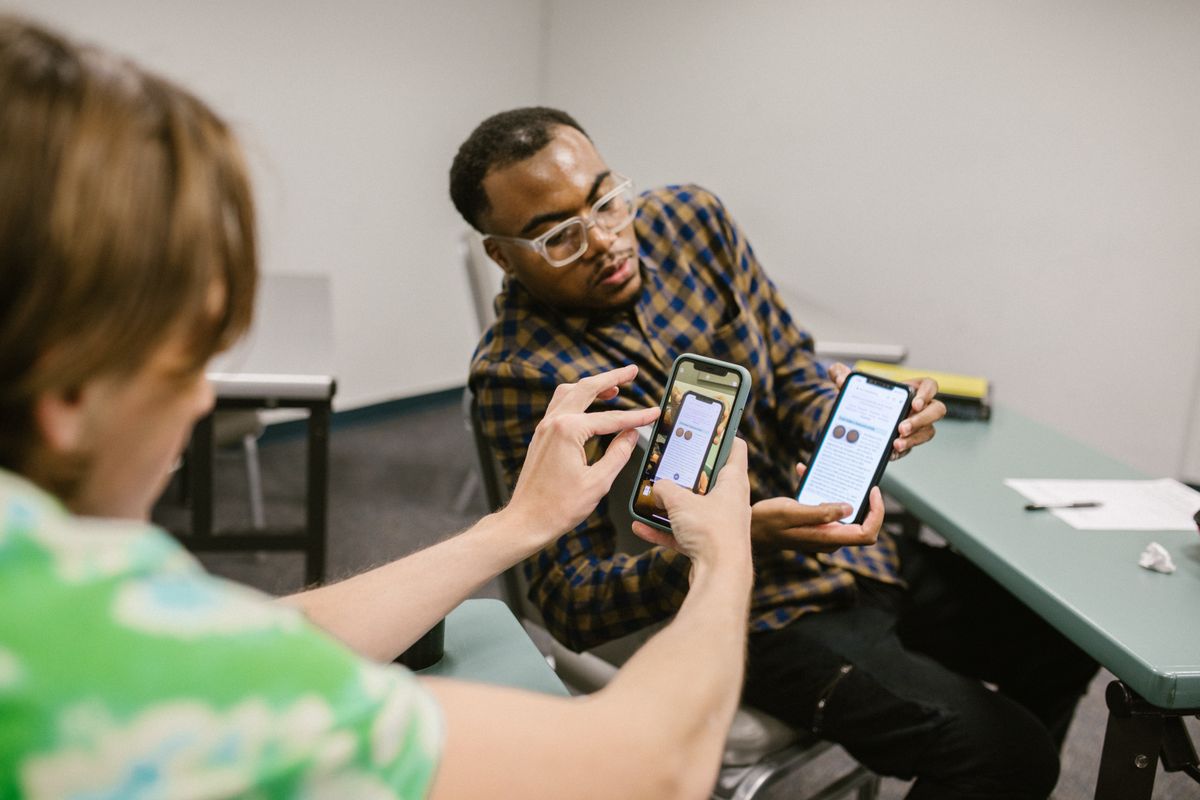
For more than a decade, many schools embraced a “digital first” approach. The expansion accelerated during the COVID-19 pandemic, when millions of students suddenly depended on laptops and online platforms to continue learning from home.
By 2021, billions of dollars in federal pandemic relief helped districts purchase devices, software, and digital learning systems. Many students returned to classrooms carrying school-issued Chromebooks, but questions about effectiveness continued growing.
Today, some policymakers argue that schools moved too quickly from using technology as a tool to making it the foundation of instruction.
Education researchers have raised concerns about student attention, online distractions, data collection, and whether constant device use affects foundational skills. Studies have linked excessive recreational screen use among young people with sleep problems, reduced physical activity, and mental health concerns, although researchers continue to debate the exact impact of classroom technology itself.
The emerging argument is becoming more balanced: technology can help students learn, but unlimited technology is not automatically better education.
States Are Moving Toward Screen Limits for Younger Students
One of the biggest changes is happening in elementary schools, where lawmakers are focusing on early childhood development.
Utah approved one of the most detailed classroom technology frameworks, creating stricter expectations for younger students while allowing exceptions for students with disabilities, computer science classes, and specialized educational needs.
The policy reflects concerns that children in their earliest years need more opportunities to develop skills that do not always happen through screens, including handwriting, communication, problem-solving, and physical coordination.
Supporters point to research showing that younger children often learn best through interaction, conversation, movement, and hands-on activities.
A classroom with 25 students staring at individual screens for hours may look modern, critics argue, but it can also reduce opportunities for collaboration and direct teacher feedback.
California’s Largest School District Is Rethinking Digital Learning
The Los Angeles Unified School District, the second-largest school district in the United States, is among the most influential systems moving toward tighter technology controls.
With more than 500,000 students, LAUSD’s decisions often become a national example for other districts watching how large-scale reforms work.
The district is reviewing student device use, limiting access to distracting online platforms, and encouraging more offline assignments, including physical reading and written work.
The move comes after years of rapid technology expansion. Like many districts nationwide, LAUSD invested heavily in digital infrastructure during the pandemic, but leaders are now examining whether every online tool provides enough academic value to justify its cost and classroom impact.
The bigger question is financial as well as educational. School districts across the country must decide whether renewing expensive technology contracts delivers better results than investing in teachers, textbooks, classroom materials, and support services.
Schools Are Managing Thousands of Apps and Growing Privacy Concerns
One of the biggest issues behind the technology debate is not just screen time. It is student data.
Many schools now rely on hundreds or even thousands of digital platforms for assignments, testing, communication, and classroom management.
Each application can create another place where student information is collected, stored, or shared.
Education technology companies often collect information such as student names, academic performance, learning patterns, and usage data. While many companies provide valuable educational services, privacy advocates argue schools need stronger oversight before adopting new platforms.
The concern has become more urgent as artificial intelligence enters classrooms.
AI-powered tutoring systems, automated grading tools, and personalized learning platforms are expanding rapidly. Supporters say these tools can help teachers identify struggling students faster, while critics warn that schools need clearer rules about transparency, accuracy, and student privacy.
The debate is no longer simply about laptops. It is about who controls student information and how technology shapes learning.
Teachers Say Digital Tools Can Help, But They Cannot Replace Human Connection
Many educators are not calling for a complete return to paper-only classrooms.
Teachers often use technology for valuable purposes, including research, accessibility tools, interactive lessons, language learning, and specialized programs for students who need additional support.
The concern is replacing too much teacher interaction with automated systems.
A teacher can recognize confusion, adjust an explanation, encourage a struggling student, or notice social and emotional changes in ways a digital platform cannot fully replicate.
That human connection is becoming one of the strongest arguments behind the push for balanced classrooms.
Education experts increasingly argue that technology should support teachers rather than reduce the teacher’s role.
The Phone-Free School Movement Helped Start the Bigger Technology Debate
The push to reduce classroom technology did not begin with laptops. It started with smartphones.
Across the country, schools have introduced stricter phone restrictions after teachers reported that constant notifications, social media, and messaging were making classroom management more difficult.
Research from the Pew Research Center found that 72% of high school teachers viewed cellphone distraction as a major classroom challenge.
The success of phone restrictions encouraged some policymakers to ask a larger question:
If phones create distractions, what happens when students spend six hours a day using school-issued devices connected to the internet?
That question is now driving broader discussions about digital boundaries.
School Leaders Face a Difficult Financial Reality
Reducing screen dependence sounds simple, but schools face major practical challenges.
Many districts built their entire instructional systems around digital platforms. They signed multiyear contracts, trained teachers on new software, and invested millions in devices.
Replacing technology with traditional materials also costs money.
Schools may need more textbooks, printers, paper supplies, science materials, classroom resources, and additional teacher training.
At the same time, some districts are dealing with tighter budgets as pandemic-era federal funding expires.
The challenge is deciding where limited education dollars create the greatest academic benefit.
The Next Classroom May Combine Technology With Traditional Learning

The future of education is unlikely to be completely digital or completely paper-based.
Instead, many schools are moving toward a hybrid approach where technology is used only when it provides a clear advantage.
A math application that gives immediate feedback may be valuable. A digital accessibility tool may be essential for some students. A computer science course cannot exist without computers.
But a first-grade student practicing handwriting, a group of students discussing a book, or a child solving a problem with physical materials may benefit more from traditional methods.
The growing movement across states suggests a new education philosophy is emerging:
Technology should be a tool in the classroom, not the classroom itself.
As lawmakers continue reviewing screen policies, artificial intelligence, and student privacy protections, the central debate will remain focused on one goal: creating schools where technology strengthens learning without replacing the human experiences that make education meaningful.