Wales Moves to Punish Deliberate Election Lies, but the New Law Has Limits
A political candidate steps before a crowd and makes a damaging claim about an opponent. The candidate presents it as fact, even while knowing it is false. Before journalists can correct the record, the allegation races across social media and reaches thousands of voters.
In most democracies, the consequences would come through fact checks, public criticism or the ballot box. Wales now wants to add something stronger: the possibility of legal accountability.
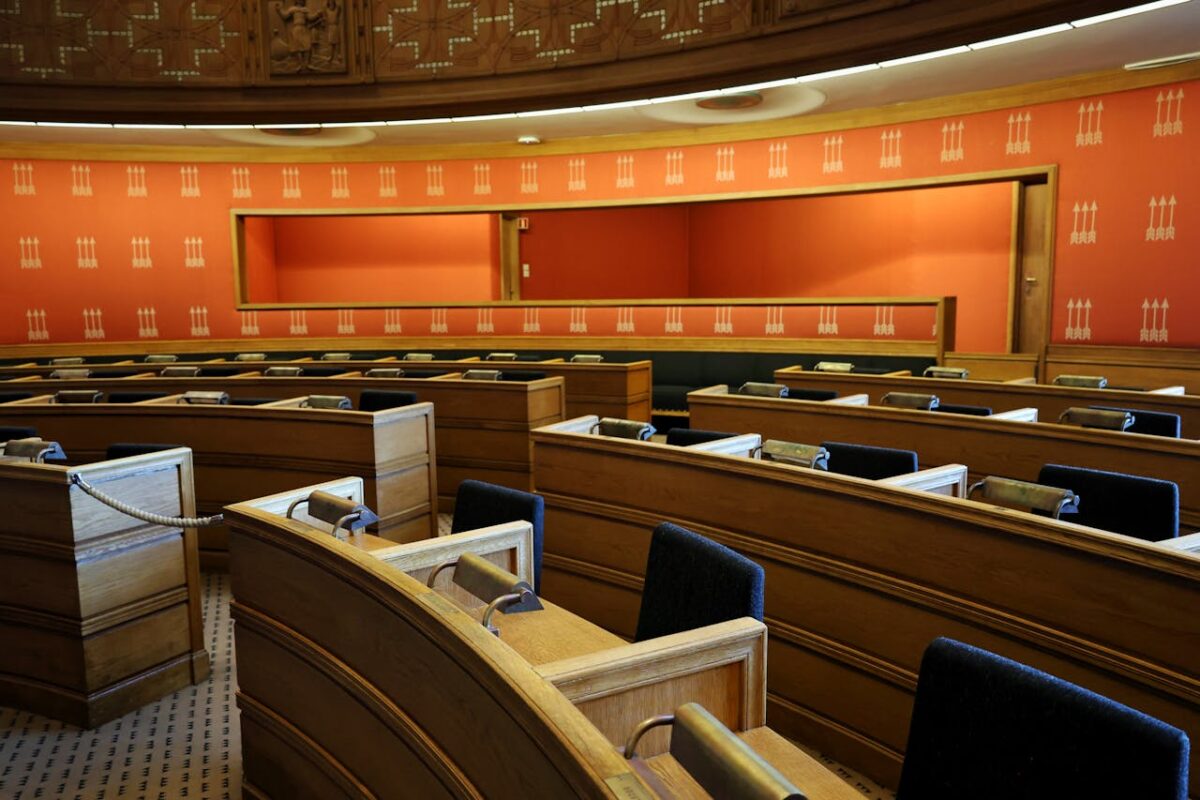
The Welsh Parliament, known as the Senedd, has passed legislation requiring ministers to create rules against certain false or misleading factual statements intended to influence an election. The decision has attracted international attention, but the viral version of the story leaves out an important detail.
Wales Has Not Criminalized Every Campaign Lie
The Senedd Cymru (Member Accountability and Elections) Act 2026 passed the Welsh Parliament on March 17 and received royal assent on April 27. The part dealing with false election statements took effect on June 27.
The law requires Welsh ministers to introduce rules prohibiting false or misleading statements of fact made before or during a Senedd election. Those statements must be intended to affect whether a candidate wins.
That does not mean Wales has declared every political lie a crime. The legislation creates a legal framework, but ministers must still write the detailed regulations needed to enforce it.
Those regulations may define what qualifies as a factual statement, whether reckless statements are covered and which people can be held responsible. They may also establish exemptions, defenses, penalties and investigation procedures.
The law permits ministers to create criminal offenses, but it does not establish a complete criminal code covering every dishonest campaign statement. The official Law Wales summary currently lists no subordinate legislation containing the final enforcement system.
Opinions, satire, exaggerated promises and disputed predictions would not automatically become crimes. A candidate promising that an economic plan will create jobs is making a prediction. A candidate inventing a criminal conviction and attaching it to an opponent is making a factual claim that can be checked.
Supporters See Deliberate Deception as Electoral Fraud
Former Plaid Cymru leader Adam Price has spent years advocating stronger consequences for politicians who knowingly deceive voters.
During the Senedd’s final debate on the legislation, Price said the law would require ministers to make it “generally unlawful to put deliberate falsehoods before voters in an election.” He argued that knowingly presenting false information as fact amounts to a fraud against the electorate.
Welsh Counsel General Julie James described the legislation as the beginning of a longer process. She said it would “start the process for deliberate deception being an offence.”
Supporters insist the measure is not intended to punish political disagreement. Candidates could still argue over taxes, immigration, public spending or whether an opponent’s economic plan would succeed.
The proposed boundary would focus on claims that can be verified, particularly when evidence shows that the speaker knew a statement was false or acted recklessly. Supporters believe that distinction could protect political debate while giving voters stronger protection from calculated deception.
Their concern reflects the changing speed of election campaigns. A false claim can reach millions of people online before journalists, officials or opponents have time to challenge it. A later correction may never reach the same audience.
Critics Fear Complaints Could Become Political Weapons
The hardest part will not be deciding whether dishonesty is harmful. It will be determining who decides the truth during the tense final days of an election.
During the legislative debate, Welsh lawmaker Alun Davies questioned whether the Senedd was creating an offense it could not yet define clearly. He also raised concerns about completing such an important measure through secondary regulations instead of placing every detail in the original legislation.
Conservative lawmaker Paul Davies supported the final bill but called for safeguards protecting legitimate political expression. He also wanted the system reviewed after its implementation.
Their concerns point to a practical danger. A candidate could file a complaint against an opponent shortly before voting begins, producing damaging headlines before investigators decide whether the allegation has merit.
A workable system would need independent oversight, strict evidence requirements and a quick way to dismiss weak or politically motivated complaints. It would also need clear protections for parody, opinion, reasonable mistakes and good-faith interpretations of disputed evidence.
Proving that a statement was false may be easier than proving what the speaker believed at the time. Without strong safeguards, a law intended to protect democracy could become another campaign weapon.
A Similar U.S. Law Would Face the First Amendment
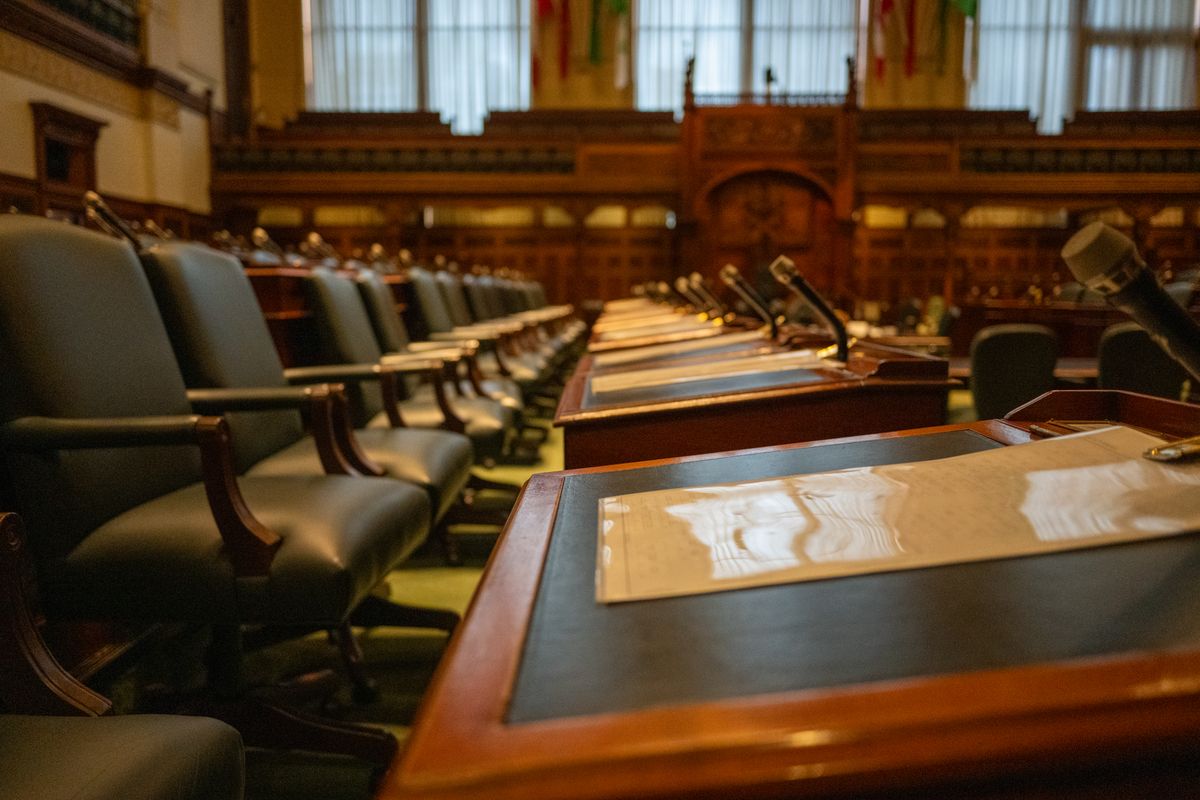
The United States has a much higher constitutional barrier to broad restrictions on political speech.
In United States v. Alvarez, the Supreme Court considered the case of a man who falsely claimed he had received the Medal of Honor. The court struck down the broad criminal prohibition and rejected the argument that false statements automatically lose First Amendment protection.
The decision did not give every lie constitutional immunity. False statements connected to fraud, defamation, perjury and other recognized forms of harm can still produce legal consequences.
Ohio’s experience offers an even closer comparison. The state once prohibited knowingly or recklessly making false statements about political candidates during campaigns.
In 2016, the U.S. Court of Appeals for the Sixth Circuit blocked Ohio’s political false-statement laws. The court concluded that the restrictions burdened core political speech and were not narrowly tailored enough to survive constitutional review.
American law still addresses voter intimidation, fraudulent fundraising, and deliberately deceptive information about when or where to vote. A broader law allowing officials to judge campaign claims, however, would face immediate constitutional challenges.
The lesson from Wales may not be that police should monitor every campaign speech. It may be that democracies need faster ways to respond when candidates knowingly manufacture factual claims.
Wales has not solved the problem, and it has not imposed a blanket criminal ban on political dishonesty. It has created a framework that could eventually punish deliberate election falsehoods once ministers complete the regulations.
The real test will come when those rules are written. Wales must now decide when misleading campaign rhetoric crosses the line into a punishable falsehood and who can be trusted to make that judgment.