Senate Republicans Target Immigration Detention Loophole as Deportation Orders Collide With Legal Limits
A deportation order does not always mean someone leaves the country, and that gap is now at the center of a major immigration detention battle in Washington.
The immigration detention loophole targeted by Senate Republicans has become one of the latest flashpoints in the national debate over border security, public safety and the limits of federal authority. Republican lawmakers argue that current rules allow some detained immigrants to be released when foreign governments refuse to accept their return, creating a system they say undermines immigration enforcement.
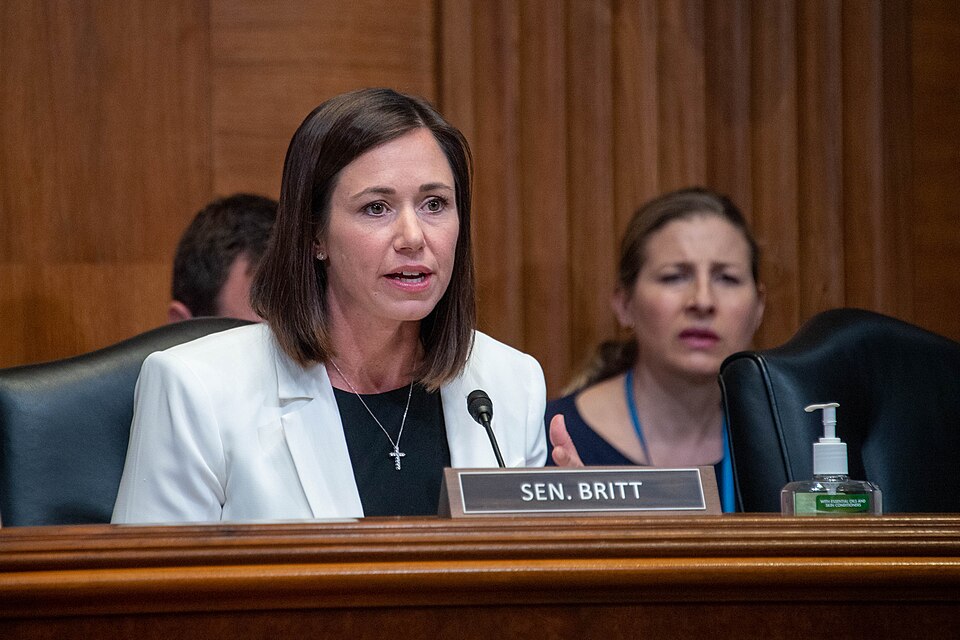
The effort, led by Sen. Katie Britt of Alabama, focuses on changing a legal framework that has shaped immigration detention policy for more than two decades. Her proposed Keeping Our Communities Safe Act seeks to give the Department of Homeland Security broader power to continue holding certain immigrants who have been ordered removed but cannot yet be deported.
Supporters say the immigration detention loophole allows foreign governments to influence American enforcement decisions by refusing to cooperate with deportations. Critics argue that expanding detention authority could create new constitutional concerns by allowing the government to hold people for extended periods when removal is uncertain.
At the heart of the dispute is a difficult question: How should the United States balance immigration enforcement with legal protections when deportation is ordered but cannot immediately happen?
The deportation dilemma hiding behind America’s immigration system
The hardest immigration cases are often not the ones involving removal orders, but the ones where those orders cannot be carried out.
When a U.S. immigration court issues a final removal order, many people assume the process ends with deportation. In reality, removal requires cooperation from another country. Officials must confirm identity, secure travel documents, and arrange acceptance by the receiving government.
That process can become complicated when a foreign government refuses to cooperate. Some countries delay paperwork, dispute citizenship claims, or fail to respond quickly to U.S. requests. As a result, immigration officials may have a legally valid removal order but no practical way to complete the deportation.
This challenge has existed across multiple presidential administrations. Republican and Democratic officials have both faced cases where diplomatic barriers prevented immediate removal. The disagreement centers on what should happen while those barriers remain unresolved.
Senate Republicans argue that the current system creates an immigration detention loophole because a person can remain in the United States after receiving a final deportation order. They believe the government should have stronger authority to keep certain individuals detained until removal becomes possible.
The debate becomes especially intense when lawmakers focus on immigrants with criminal histories. Supporters of tougher detention policies argue that public safety risks should outweigh concerns about continued custody in certain cases.
Opponents respond that immigration detention is a civil process, not a criminal punishment. They argue that the government must still prove why extended detention is necessary and cannot simply hold people indefinitely because deportation is difficult.
A Supreme Court ruling created the legal battle now facing Congress
The immigration detention loophole debate began with a Supreme Court decision designed to prevent indefinite government custody.
The legal foundation of the current system comes from the 2001 Supreme Court ruling in Zadvydas v. Davis. The case examined whether the government could continue holding immigrants indefinitely when there was no realistic possibility of deportation.
The court determined that immigration authorities could not interpret federal law as allowing endless detention. Instead, it established a framework requiring officials to review cases where removal does not appear reasonably foreseeable.
The decision created what became known as the six-month review period. After six months, a detainee can argue that continued detention is unreasonable because deportation is unlikely in the foreseeable future.
However, the ruling did not create automatic release after six months. The government can continue detention if it can show that removal remains possible or that circumstances justify continued custody.
Republicans argue that this legal structure has become outdated because some individuals remain difficult to deport for long periods. They say the system gives too much weight to foreign governments that refuse to accept their citizens.
The proposed immigration detention loophole legislation seeks to change that balance by expanding federal authority. Supporters believe Congress must respond because immigration enforcement cannot depend entirely on cooperation from other nations.
Legal experts, however, point out that congressional action may not end the debate. A new detention law could still face court challenges over constitutional protections and the limits of government power.
Why Senate Republicans say the current system fails communities

Republican lawmakers argue that immigration enforcement loses credibility when removal orders do not always result in removal.
Sen. Katie Britt has argued that the government should not be forced to release individuals simply because another country refuses to take them back. She says the purpose of her bill is to close what Republicans describe as a long-standing immigration detention loophole.
The legislation has attracted support from several Republican senators, including Tom Cotton, Ted Cruz, Tommy Tuberville and others who argue that stronger detention rules are needed to protect communities.
Supporters frequently point to cases involving criminal immigrants as evidence that the system needs reform. Their argument is that individuals who have committed serious crimes should not be released because of administrative delays or diplomatic obstacles.
Republicans also connect the issue to broader concerns about border security. They argue that immigration enforcement depends not only on border policies but also on what happens after someone receives a removal order.
The political argument intensified during the Biden administration, when Republican lawmakers accused federal officials of weakening enforcement priorities. They argued that immigration policies allowed too many people to remain in the country while removal cases moved slowly.
Democrats and immigration advocates have challenged that criticism. They argue that the immigration system has long struggled with limited resources, court backlogs and complex international relationships that cannot be solved simply through expanded detention.
The disagreement reflects a broader divide in Washington. Republicans generally emphasize enforcement authority and public safety, while critics focus on due process protections and limits on government detention.
The proposed changes would reshape immigration detention powers
The Keeping Our Communities Safe Act would go beyond closing a single loophole and could reshape how immigration detention works.
The legislation would amend sections of the Immigration and Nationality Act that govern detention before and after final removal orders. It would expand the Department of Homeland Security’s authority to hold certain immigrants and limit access to bond in specific cases.
Under the proposal, some immigrants would face higher standards before receiving release. They would need to demonstrate that they are not a flight risk or a danger to others.
The bill would also create additional authority for continued detention involving national security concerns, serious criminal offenses, and individuals considered dangerous to the community.
Supporters argue these changes would prevent dangerous individuals from returning to communities while deportation efforts continue. They believe immigration officials need stronger tools when foreign governments delay removal.
Critics question whether broader detention powers could affect people who are not violent offenders. They argue that expanding detention categories requires careful oversight to prevent unnecessary confinement.
The issue is particularly sensitive because immigration detention differs from criminal incarceration. A person in immigration custody may not have a criminal conviction but could still face significant restrictions on personal freedom.
That distinction is likely to shape future legal challenges. Courts have repeatedly examined whether immigration detention remains connected to its purpose of facilitating removal or becomes punishment without a criminal sentence.
The hidden cost of expanding detention authority

Closing the immigration detention loophole could create new challenges inside an already strained enforcement system.
A larger detention system requires more than legal authority. The federal government would need additional facilities, transportation resources, medical services, immigration officers and administrative support.
Immigration detention already involves significant government spending. Holding more people for longer periods could increase operational costs and require additional funding from Congress.
Supporters argue those expenses are necessary investments in public safety and immigration enforcement. They believe the cost of detention must be compared with the consequences of releasing individuals who cannot be immediately removed.
Critics argue that expanding detention without solving deportation barriers could create a different problem. The government may end up holding more people while still facing the same challenges with foreign governments.
The issue highlights a central contradiction in immigration policy. The United States can decide that someone should leave the country, but it cannot always force another nation to accept that person.
That reality means enforcement depends on diplomacy as much as domestic law. Even the strongest immigration detention policy cannot remove someone without international cooperation.
The practical question becomes whether Congress should expand detention authority or focus more heavily on improving diplomatic agreements that make deportations possible.
Foreign governments hold unexpected power over U.S. deportation decisions
A major part of the immigration detention loophole debate involves decisions made far beyond American borders.
The United States has legal authority over its immigration system, but deportation requires cooperation from foreign governments. Without acceptance from another country, removal efforts can stall.
Some nations have historically been slow to issue travel documents or accept deported citizens. These delays can create difficult situations for U.S. officials who must balance enforcement goals with legal restrictions.
Republican lawmakers argue that this gives foreign governments indirect influence over American immigration decisions. They believe another country’s refusal should not result in release inside the United States.
The argument has political appeal because it focuses on a visible weakness in the system. A person can be ordered removed but remain physically present because the final step depends on another government.
However, immigration experts note that international cooperation has always been part of deportation policy. Diplomatic relationships, citizenship verification and travel agreements all affect how quickly removals occur.
The immigration detention loophole debate therefore involves more than domestic enforcement. It also reflects the challenges of managing immigration in a world where governments must cooperate across borders.
The next battle may move from Congress to the courts
Even if lawmakers change immigration detention rules, the constitutional debate is unlikely to disappear.
The Supreme Court’s previous decisions have focused on whether the government can hold someone for extended periods without a clear path toward removal.
A new law expanding detention authority would likely face legal challenges from individuals who argue that prolonged custody violates constitutional protections.
The central question would be whether extended detention remains connected to deportation or becomes a form of punishment. Courts have traditionally recognized that immigration detention serves a specific purpose: allowing the government to complete the removal process.
The proposed legislation attempts to address this issue by creating additional categories for continued detention and review procedures. However, lawmakers cannot remove constitutional limits simply by changing statutory language.
Future court battles could determine how far Congress can go in expanding immigration detention powers. The outcome could influence immigration policy for years.
The debate also reveals a larger tension in American law. A government must enforce its decisions, but it must also justify the methods it uses to enforce them.
A policy fight that reflects a deeper national divide

The immigration detention loophole debate represents a broader struggle over enforcement, fairness, and the role of government power.
For Republicans, the issue is about restoring confidence in a system they believe has failed to consistently carry out deportation orders. They argue that immigration laws lose meaning when removal decisions do not lead to actual departures.
For critics, the concern is about creating a detention system that could expand beyond its original purpose. They argue that enforcement must operate within constitutional boundaries, even in difficult cases.
Both sides recognize the same underlying problem: deportation can become complicated when legal decisions collide with diplomatic realities.
The Senate Republican proposal attempts to solve that problem by giving the government more authority to hold certain immigrants while removal remains unresolved. Whether that approach succeeds will depend not only on Congress but also on courts, foreign governments and the practical limits of enforcement.
The future of immigration detention may ultimately be decided by a simple but difficult question: when the government orders someone to leave but cannot make that departure happen, how much power should it have to keep waiting?