Trump Moves to Restrict Birthright Citizenship With New Executive Order Targeting Birth Tourism
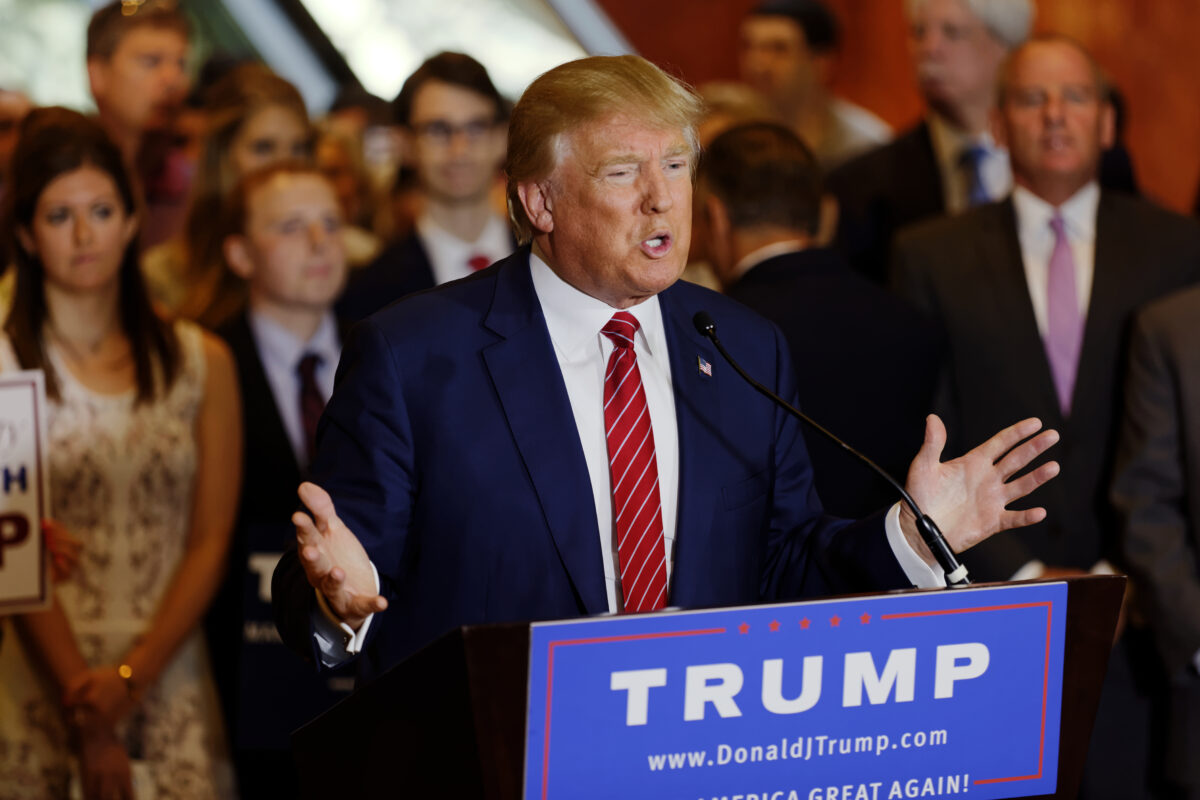
President Donald Trump has signed new executive orders aimed at limiting birthright citizenship and addressing what his administration calls “birth tourism,” reigniting a long-running national debate over immigration, constitutional rights and the meaning of citizenship in the United States.
The orders represent one of the Trump administration’s most significant immigration actions, seeking to change how citizenship is granted to children born on U.S. soil. Supporters argue the move addresses what they view as a loophole in the immigration system, while critics say it conflicts with longstanding interpretations of the 14th Amendment.
The announcement immediately triggered legal challenges and renewed debate over whether a president has the authority to alter birthright citizenship rules through executive action.
Trump Administration Takes Aim at Birth Tourism
The executive orders focus heavily on the practice known as birth tourism, in which some foreign nationals travel to the United States while pregnant with the intention of giving birth so their child can receive U.S. citizenship.
The administration has argued that birth tourism places pressure on immigration systems and creates incentives for people to use temporary travel arrangements to gain access to citizenship benefits.
Trump has repeatedly criticized the current interpretation of birthright citizenship, arguing that the United States is one of the few developed countries where being born within national borders automatically grants citizenship regardless of a parent’s immigration status.
Supporters of the policy change say the government should have greater control over who qualifies for citizenship and argue that the current system can be exploited.
Critics counter that birthright citizenship has been a fundamental part of U.S. law for more than a century and that changing it would require a constitutional amendment rather than an executive order.
The 14th Amendment Sits at the Center of the Dispute
The legal battle over birthright citizenship revolves around the Citizenship Clause of the 14th Amendment. Ratified in 1868 after the Civil War, the amendment states that “all persons born or naturalized in the United States” are citizens of the country and the state where they live.
For generations, courts have interpreted this provision to mean that most children born in the United States are automatically citizens, including children whose parents are not U.S. citizens.
The Supreme Court addressed the issue in the 1898 case United States v. Wong Kim Ark, ruling that a child born in the United States to Chinese immigrant parents was entitled to citizenship.
The Trump administration’s position challenges that broad interpretation, arguing that the amendment was not intended to apply in every circumstance. Legal experts have warned that changing such a long-established interpretation would likely face significant court challenges.
Legal Challenges Expected After Executive Action
The executive orders are expected to face immediate legal scrutiny. Immigration advocacy groups, civil rights organizations and some state officials have argued that the president does not have the authority to redefine constitutional citizenship protections through an executive order.
Opponents say the policy could create uncertainty for thousands of children born in the United States and could lead to lengthy court battles over citizenship status. Supporters argue that the administration has a responsibility to enforce immigration laws and address policies they believe encourage misuse of the system.
The courts will ultimately determine whether the executive action can stand or whether existing constitutional interpretations prevent the government from changing birthright citizenship rules.
Birth Tourism has been a Political Issue for Years
Concerns about birth tourism are not new. The issue has received attention from lawmakers and immigration officials for years.
The federal government has previously taken steps to address cases where foreign nationals allegedly misuse visitor visas to give birth in the United States. In 2020, the State Department changed visa guidance to restrict certain travel specifically connected to birth tourism.
However, those efforts focused on preventing visa abuse rather than changing citizenship rules. Trump’s latest action goes further by challenging the citizenship status itself, making it a much broader policy shift.
The administration says the goal is to prevent what it considers exploitation of the immigration system. Critics argue the approach could affect legitimate families and create constitutional conflicts.
Immigration Policy Remains a Major Dividing Line
The fight over birthright citizenship reflects a larger disagreement over the future of U.S. immigration policy. Trump and his supporters have emphasized stricter immigration enforcement, stronger border controls, and changes to citizenship rules. They argue that current policies have allowed too many people to take advantage of the system.
Opponents say immigration enforcement must operate within constitutional limits and warn that restricting birthright citizenship could undermine one of the country’s longest-standing citizenship principles.
The issue has also become part of a broader national conversation about who qualifies as American and how citizenship should be defined in the modern era. As legal challenges move forward, the debate is likely to continue far beyond the executive orders themselves.
For supporters, the action represents an effort to restore control over immigration policy. For critics, it raises fundamental questions about constitutional authority and the protections granted to people born in the United States. The outcome could shape the future of birthright citizenship for generations.