Luxury’s New Status Symbol? A Home Where Every Room Pulls Its Weight
The oversized, rarely used formal room is losing its shine. Today’s version of luxury is less about adding square footage and more about creating a home that can host, restore, work, move, and evolve right along with the people living in it.
For years, high-end real estate had an easy visual shorthand: soaring foyers, cavernous primary suites, formal dining rooms used twice a year, and enough empty space to make a house feel like a hotel lobby. But a new wave of buyer preferences suggests that bigger is no longer automatically better.
The more compelling luxury proposition is a home that feels deliberate, personal, and genuinely useful from room to room. Zillow’s 20-year review of U.S. for-sale listings found that buyers increasingly prioritize flexibility and daily livability over sheer size, especially as larger homes bring higher heating, insurance, and maintenance costs.
That does not mean luxury homeowners are suddenly settling for less. It means they want more from what they have. A guest room may double as a polished office. A kitchen island may operate as a prep station, homework hub, and cocktail bar.
A formerly ignored alcove may become a sunlit reading retreat, while a backyard turns into a usable extension of the living room rather than a view through a window. The new standard is intentionality: spaces that look beautiful, but also earn their keep.
“American homes have shifted from status symbols to sanctuaries,” Amanda Pendleton, Zillow’s home trends expert, said in Zillow’s February 2026 analysis. “Buyers are no longer chasing the biggest footprint or the glossiest finishes. Instead, they’re seeking homes that reflect who they are, how they live and what they value.”
The McMansion Mindset Is Giving Way
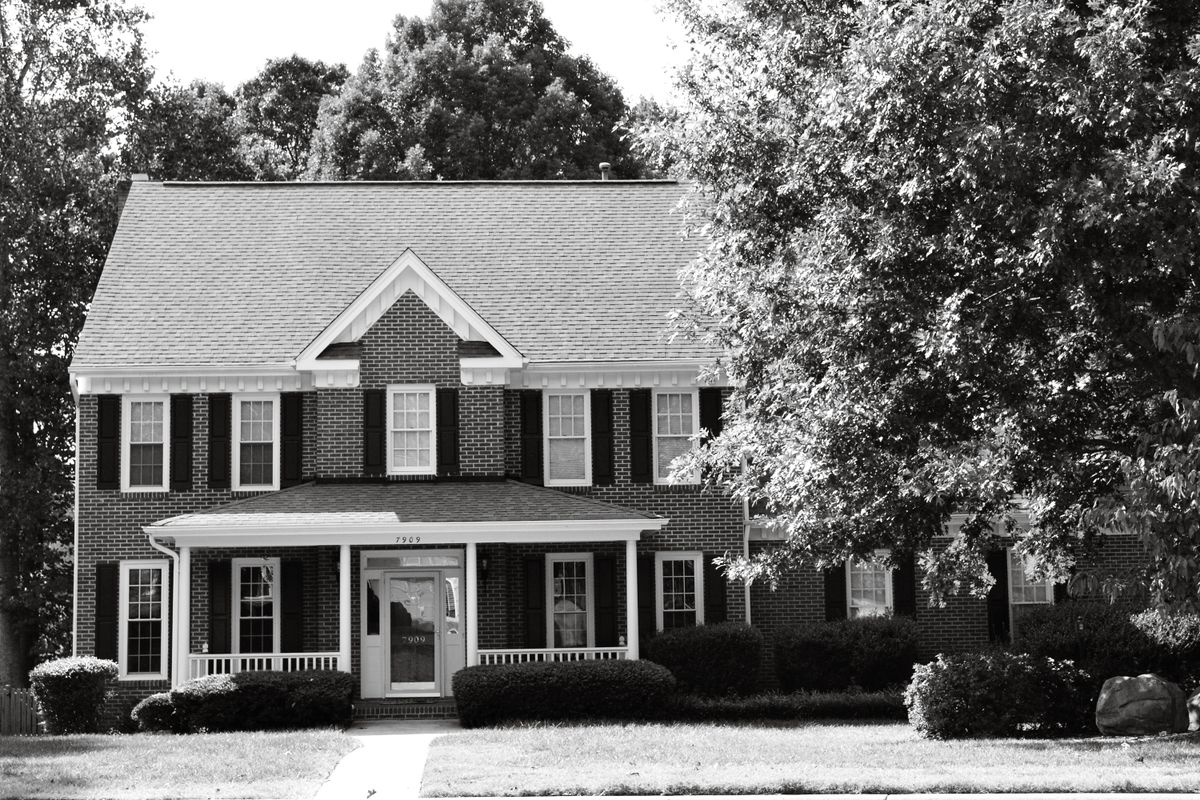
The classic McMansion was designed to be noticed. Zillow describes the height of the housing boom as an era defined by oversize footprints, dramatic two-story foyers, elaborate rooflines, and formal living and dining rooms that often existed more for appearances than for everyday life. Those features projected prosperity, but they didn’t necessarily make a home easier or more enjoyable to use on a Tuesday afternoon.
Today, the equation is changing. Zillow says new-construction lot sizes and square footage have fallen significantly since 2018, while buyer attention has shifted toward homes that are more manageable and better equipped for modern routines. That is not merely a design preference; it is also a practical response to the ongoing costs attached to larger properties. More rooms mean more to furnish, clean, heat, cool, insure, and repair.
The luxury buyer, in other words, is not necessarily looking for a ballroom. They may want a dining area that can handle a dinner party on Saturday, a laptop on Monday, and a puzzle-filled family night in between. They may prefer a compact but exquisitely finished library over a formal sitting room with furniture no one is allowed to touch. The point is not to cram multiple jobs into every square foot. It is to give each area a clear purpose, with enough flexibility to remain useful as routines change.
That shift also helps explain why the open-concept craze is becoming more nuanced. Zillow reports that buyers increasingly want balance: connection when they want it, along with pockets of privacy when they need them. A wide-open main floor may still be great for entertaining, but residents also want somewhere to take a call, read quietly, exercise, decompress, or let one family member cook while another watches television without competing soundtracks.
The Rise of the Room With a Second Job
The most convincing evidence for this trend is showing up in the kinds of rooms people are requesting. The American Institute of Architects’ 2025 year-end Home Design Trends Survey, as reported by Traditional Building, found that 33% of responding residential architecture firms saw growing popularity for flexible spaces and multifunction rooms. Examples include a hobby room that can convert into a guest bedroom.
That preference sits alongside demand for accessory dwelling units, in-law suites, and outdoor living areas, features that make a property more adaptable for changing family arrangements, hosting, and daily life. In the AIA survey, 46% of respondents reported growing interest in accessory dwelling units and 40% reported rising demand for outdoor living spaces such as covered patios, outdoor kitchens, fire pits, and gazebos.
The survey data shows a telling shift: dedicated home offices lost ground, with 30% of respondents saying they were increasing in popularity in 2025, down from 40% in 2024. Flexible rooms, by contrast, are gaining attention. That suggests homeowners may be moving beyond reserving an entire room for one activity, especially if that activity isn’t happening every day.
A well-designed flex room does not have to feel like a compromise. Think custom storage that keeps work supplies out of sight after hours, a comfortable sleeper sofa for visiting relatives, layered lighting that changes from task-ready to cozy, and a table that supports both a video meeting and a holiday meal.
The smartest version of this trend does not rely on novelty furniture that looks clever in a showroom but awkward in real life. It relies on thoughtful planning: storage, power outlets, sound control, lighting, and circulation that make a room easy to switch between uses.
That is why a reading nook has become a surprisingly meaningful status detail. Zillow found that mentions of reading nooks in listings rose 48%. These are not necessarily grand libraries with rolling ladders; they can be window seats, built-in alcoves, or cleverly reclaimed corners designed for quiet focus. Their appeal is simple: they turn otherwise underused space into a small but tangible daily pleasure.
Luxury Now Means Comfort That Works
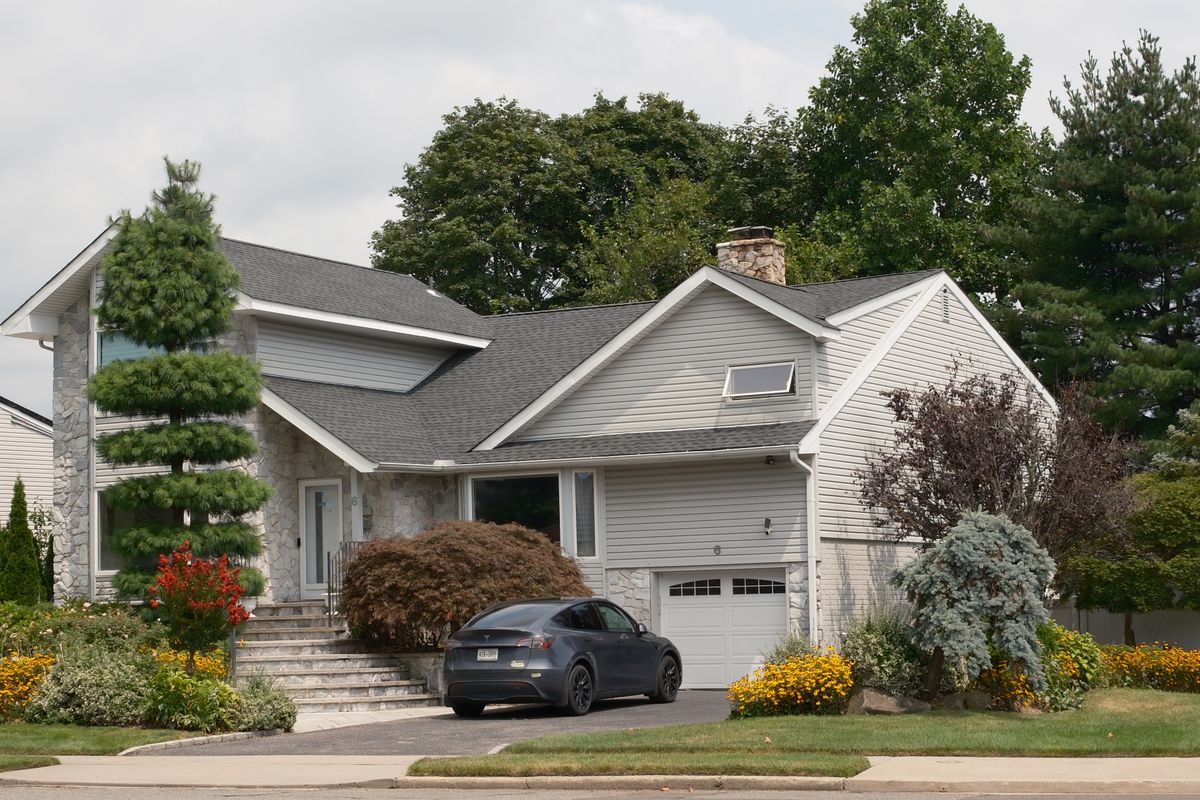
The functional-home movement is not anti-glamour. It simply puts glamour to work. A spa-inspired bathroom can still have beautiful stone, sculptural fixtures, and hotel-level lighting, but it also offers a place to reset at the end of the day. Zillow found that mentions of spa-inspired bathrooms rose 22% in listings, reflecting interest in homes that support comfort and personal wellness.
The same is true of recreation spaces. The old “man cave” is not disappearing because homeowners no longer want fun; it is being replaced by rooms and amenities that encourage more active, flexible use.
Zillow reported that golf simulators and pickleball courts were each mentioned 25% more often in listings, while batting cages rose 18%. A luxury rec space now might be a flexible gym and recovery room, a golf simulator that can be concealed when guests come over, or a multipurpose garage bay that supports workouts, hobbies, and storage without becoming a dumping ground.
Outdoor areas are also expected to do more than look nice. A covered patio with durable seating, lighting, heating or shade, plus easy access to the kitchen, can operate as a second living room for much of the year. The AIA survey’s results show that homeowners continue to value these outdoor rooms, not merely as landscaping extras but as active parts of the home’s usable footprint.
Pendleton sees adaptability as the defining direction ahead. “If the past 20 years transformed homes from status symbols into personal sanctuaries, the next 20 will be about adaptability,” she said. “The smartest homes won’t feel high-tech; they’ll feel intuitive, lived-in and supportive.”
That may be the clearest definition of modern luxury yet. It is not an echoing foyer, a room kept pristine for company, or square footage that comes with a larger bill. It is a home that anticipates real life: the overnight guest, the workday scramble, the quiet Sunday morning, the family gathering, and the need to change course without outgrowing the house.