The Ultimate Guide to Meal Prep: Cook Once, Eat All Week
Meal prep can transform the way you approach food during a busy week. Instead of deciding what to eat every day, spending extra money on takeout, or rushing through last-minute cooking, you can prepare meals in advance and make healthy choices easier. The concept is simple: plan your meals, cook larger portions, store them safely, and enjoy ready-to-eat food throughout the week.
For beginners, meal prep does not require complicated recipes, expensive equipment, or spending an entire day in the kitchen. A successful routine starts with a realistic plan and a few practical habits. The goal isn’t perfection; it’s creating a system that saves time and makes everyday meals more convenient.
Start with a Simple Meal Plan
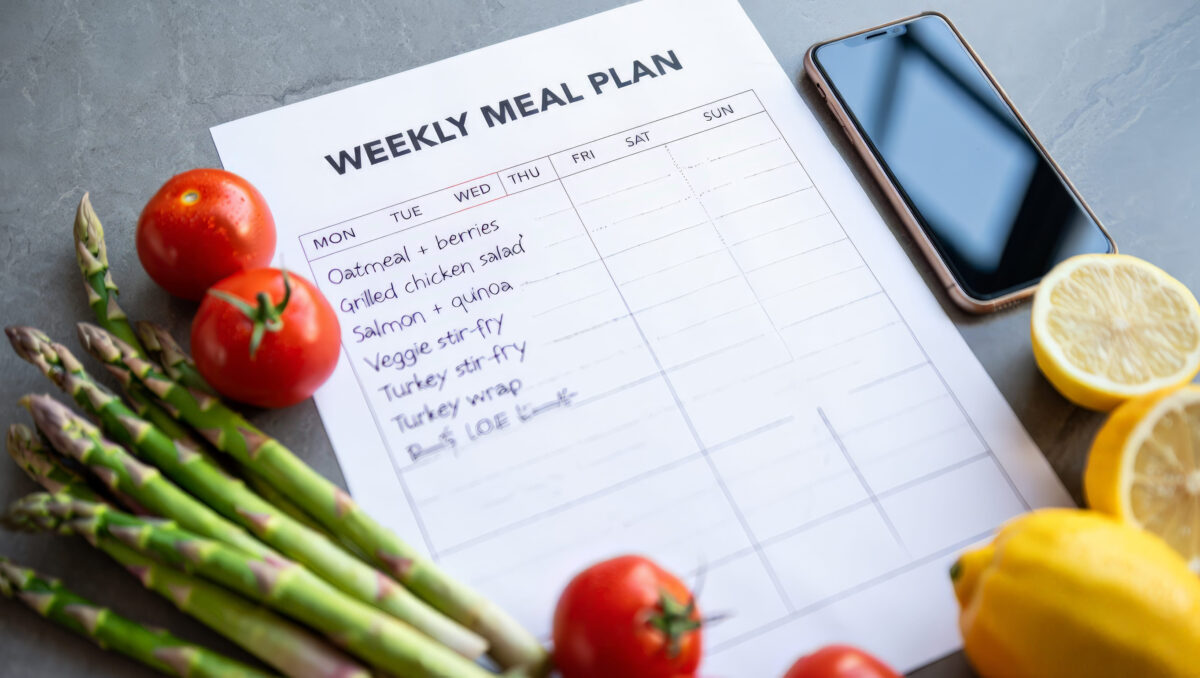
The first step in successful meal prep is planning before cooking. Start by deciding how many meals you want to prepare and how much time you have available. Some people prepare several lunches for the workweek, while others prepare ingredients they can combine into different meals. Choosing a method that matches your lifestyle makes meal prep easier to maintain.
Planning meals around shared ingredients can reduce both food waste and grocery costs. For example, you can use roasted vegetables in grain bowls, wraps, salads, or side dishes throughout the week. Cooked chicken, beans, or tofu can be paired with different grains, vegetables, and sauces to create variety without requiring completely different recipes.
A balanced meal prep plan usually includes a protein source, a carbohydrate source, vegetables, and flavor-enhancing ingredients. Protein options can include chicken, fish, eggs, beans, lentils, or tofu. Carbohydrates such as rice, pasta, potatoes, oats, and whole grains can provide energy, while vegetables add nutrients, texture, and color. Herbs, spices, and sauces help prevent meals from becoming repetitive.
Before going grocery shopping, check your kitchen supplies and create a list based on your planned meals. This simple step prevents unnecessary purchases and ensures you buy only what you need. It also makes cooking more organized because you already know which ingredients you’ll use.
Learn the Basics of Batch Cooking
Batch cooking is a key strategy behind effective meal prep. Instead of preparing individual meals each day, you cook larger quantities of certain foods at once. The goal isn’t always to eat identical meals all week, but to prepare useful components you can combine in different ways.
Foods that work well for batch cooking include grains, roasted vegetables, soups, stews, cooked proteins, and breakfast items such as overnight oats. When you’re starting, keep the process simple. Preparing a few basic ingredients, such as a cooked grain, a protein, and several vegetables, can provide enough options for multiple meals.
Meals with sauces often reheat well and maintain their flavor and texture over several days. Dishes such as curries, chili, soups, and casseroles are practical meal-prep choices because they store and reheat easily. Preparing foods you genuinely enjoy is one of the best ways to build a routine you will keep.
Store Meals Safely and Efficiently
Proper storage is essential for safe and effective meal preparation. Handle cooked foods carefully to reduce the risk of foodborne illness. The U.S. Department of Agriculture recommends refrigerating perishable foods within two hours after cooking and using shallow containers to help them cool faster.
Using reliable containers with secure lids can make meal prep easier. Glass containers are popular because many can be used for both storage and reheating. Food-safe plastic containers can also be useful. Choosing appropriately sized containers can help with portion control and prevent unnecessary food waste.
Labeling meals with preparation dates is a simple habit that helps track freshness. Most cooked leftovers can generally be stored in the refrigerator for about three to four days when handled properly. For meals you need to store longer, freezing can extend storage time while maintaining food safety.
Organize Your Refrigerator and Freezer
A well-organized storage system makes meal prep easier to maintain. Keeping prepared meals visible makes it easier to remember what you have available and reduces the chance of food being forgotten. Storing newer meals behind older ones can also encourage you to use food in the right order.
Freezing individual portions can be especially helpful during busy weeks. Instead of freezing a large container of food, divide meals into serving sizes so you can thaw only what you need. This approach makes reheating faster and reduces the need to heat and cool the same food repeatedly.
Reheat Meals the Right Way
Reheating meals correctly helps maintain both safety and quality. According to USDA food safety guidance, reheat leftovers to an internal temperature of 165°F (74°C). Different foods benefit from different reheating methods depending on their texture and ingredients.
Microwaves are convenient for quickly reheating many types of meals. Covering food and stirring or rotating it during reheating can help distribute heat more evenly. Stovetop reheating works well for soups, sauces, rice dishes, and stir-fries, while ovens are useful for foods that benefit from crisping, such as roasted vegetables or baked dishes.
Avoid reheating the same portion more than once. Instead, only warm the amount you plan to eat. This helps maintain food quality and supports safer food handling practices.
Keep Your Meals Enjoyable
Keeping meals interesting is important for long-term success. One of the biggest challenges for beginners is getting tired of eating the same foods repeatedly. Instead of preparing completely different meals every day, try changing flavors with different seasonings, sauces, and combinations.
You can transform the same ingredients into different meals by changing the cooking style. A bowl of rice, vegetables, and protein can take on different flavors with new spices, dressings, or toppings. Preparing ingredients rather than complete meals can also provide more flexibility while still saving cooking time.
Avoid Common Meal Prep Mistakes
Many beginners make the mistake of trying to prepare too much too soon. Cooking several complicated recipes in one session can become overwhelming and make meal prep feel like a burden. Starting with a small number of meals and gradually improving your routine is often more sustainable.
Other common mistakes include preparing more food than you can safely eat, not planning variety, choosing unsuitable containers, and ignoring food safety guidelines. Meal prep should simplify your week, not add unnecessary stress.
Final Thoughts
Meal prep is a practical skill that can save time, reduce daily decisions, and make home-cooked meals easier to enjoy. The most effective approach fits your schedule, preferences, and cooking habits. By planning, cooking efficiently, storing food safely, and reheating meals properly, you can create a simple system that helps you eat well all week without spending hours in the kitchen every day.