
Why You Might Want to Rethink Rinsing Your Rice And It’s Not for the Reason You Think
Rinsing rice before cooking has become one of those kitchen habits that many people follow without thinking twice. You grab the rice, run it under water, swirl it around, and move on to the next step. It feels automatic, almost like a rule that has always existed.
But here is the thing: not every cooking habit deserves to stay on autopilot. Before you rinse your next batch of rice, it is worth asking a simple question: why are you doing it?
The conversation around rinsing rice is not as straightforward as “always do it” or “never do it.” Rice preparation depends on the dish you are making, the cooking method you use, and the result you want.
The surprising part is that the reason to rethink rinsing your rice may not be the reason you expect.
Rinsing Rice Is a Habit Worth Questioning
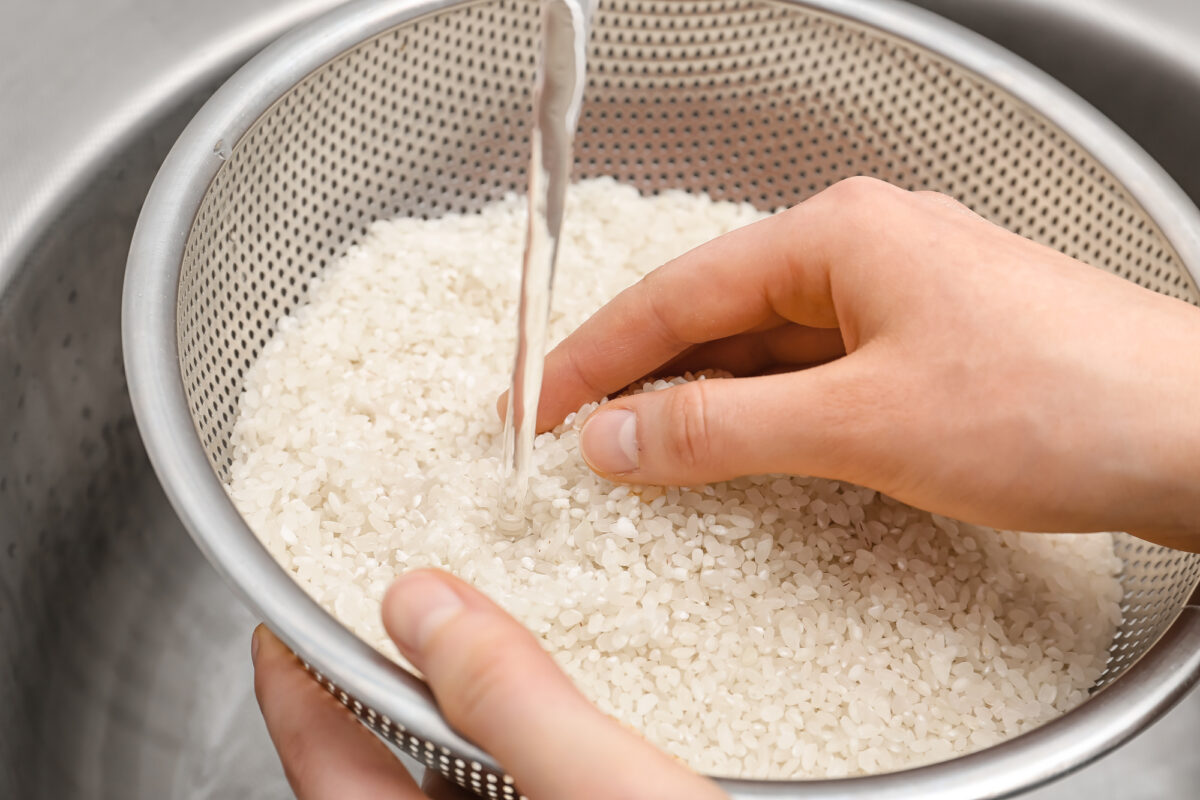
Many kitchen traditions are passed down because they worked for a particular recipe, cooking style, or family routine. Over time, those habits can become rules people follow without knowing their original purpose.
Rinsing rice is a perfect example. Some cooks rinse because they believe it is simply part of preparing rice. Others do it because they have seen it done for years. But a cooking step should have a clear purpose, not just a place in a routine.
The better question is not “Should everyone rinse rice?”
The better question is “What am I trying to achieve with this step?”
Rice Preparation Is About More Than One Step
When people talk about rice, the conversation often focuses on a single action: rinse or don’t rinse. But preparing rice involves several choices before it reaches the table. The type of rice, the recipe, and the cooking approach all shape the final result.
Research summarized by the USDA National Agricultural Library found that rinsing varies by rice type, reducing arsenic in basmati rice but being less effective for other varieties.
A method that works well for one dish may not suit another. A simple bowl of rice served alongside a meal may have different expectations than rice used in a larger recipe.
That is why blanket kitchen rules can sometimes be misleading. Good cooking is less about following instructions automatically and more about understanding why those instructions exist.
The Bigger Conversation Around Rice Includes More Than Rinsing
Rice has also been discussed in relation to naturally occurring arsenic. The U.S. Food and Drug Administration provides information about ways consumers can limit exposure to arsenic from food, including rice. That conversation is separate from the simple question of whether you rinse rice before cooking.
An FDA risk assessment found that rinsing rice had a minimal effect on inorganic arsenic in cooked rice, while cooking rice in excess water and draining it afterward reduced inorganic arsenic by about 40% to 60%, depending on the type of rice.
The important takeaway is that one kitchen habit does not tell the whole story. Rinsing rice is only one small part of how people prepare and use this everyday ingredient.
Don’t Follow a Kitchen Rule Without Knowing the Reason
One of the easiest ways to improve your cooking is to stop treating every step as mandatory. A recipe is a guide, not a collection of random actions. Each step should serve a purpose. If you understand the reason behind a technique, you can make better choices when adapting recipes or trying new dishes. The same applies to rice.
Instead of automatically reaching for a strainer every time, consider what you are cooking and what your recipe instructions say. The goal is not to follow a trend. The goal is to make intentional choices in the kitchen.
Rice Labels and Serving Information Tell Only Part of the Story
Rice products often provide information about preparation, serving sizes, and general product details. Resources from rice brands and agricultural references can help readers understand the ingredients.
However, serving information alone does not explain every cooking decision. Knowing how much rice you are preparing is different from knowing how to prepare it. Those are two separate parts of the cooking process.
For everyday cooks, the most useful approach is simple: understand the information available, follow reliable recipe instructions, and avoid treating every kitchen habit as a permanent rule.
Be More Curious in the Kitchen
The biggest mistake home cooks can make is assuming every traditional step has only one correct explanation.
Rinsing rice has become a common habit, but habits are worth examining from time to time. Asking why you do something is often the first step toward becoming a more confident cook.
You do not need to change every routine in your kitchen. You simply need to understand the choices you are making.
So before you rinse your rice out of habit, stop for a moment and think about the dish you are creating. The best cooking decisions usually come from knowing the reason behind the action, not just repeating what you have always done.
Sometimes the smartest kitchen upgrade is simply asking one question: “Why?”


