Chipotle Is More Than Heat: Here’s Why Cooks Keep It in the Pantry
That smoky flavor you love in a good sauce or taco may have less to do with heat than you think.
Chipotle has a reputation for making food spicy, but that is only half the story. The ingredient begins as a ripe red jalapeño that is smoked and dried, giving it a darker, richer personality than the fresh green pepper you may already know. That combination of smoke, gentle sweetness, and heat is what makes chipotle so useful when an ordinary meal needs a little more character.
And once you discover what it can do, that little can of chipotles in adobo can start looking less like a specialty ingredient and more like one of the most useful things in your pantry.
It Starts With a Jalapeño
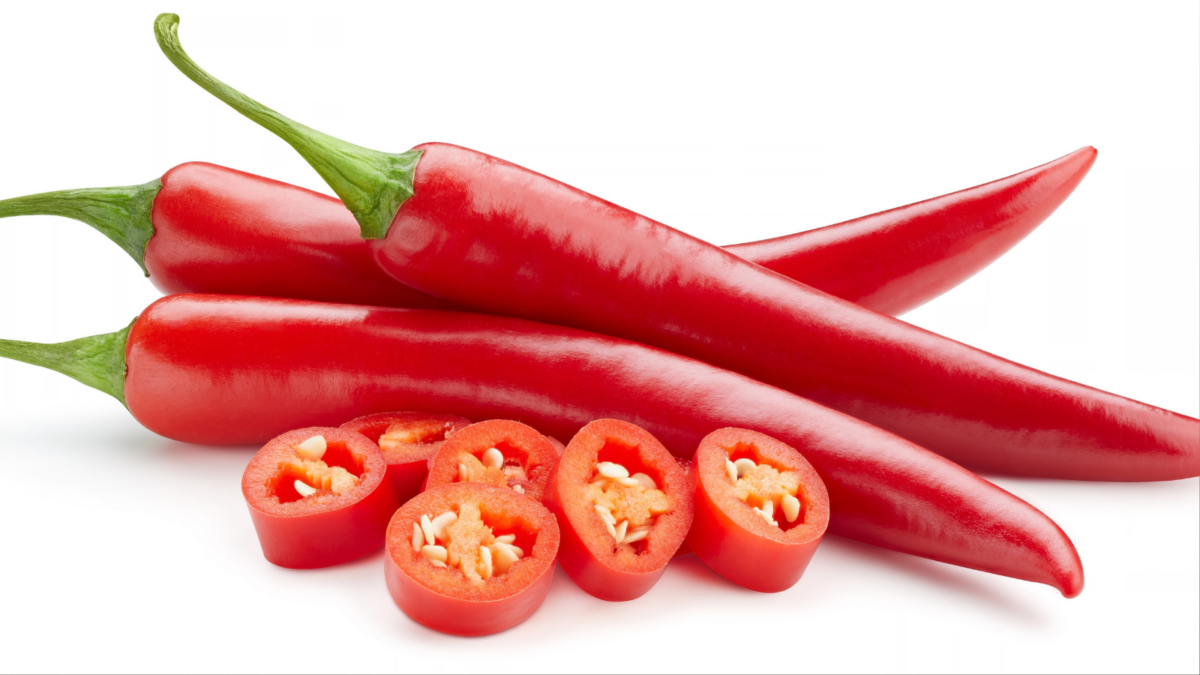
The surprising part about chipotle is that it isn’t a completely different pepper.
Jalapeños destined to become chipotles are allowed to ripen until they turn red before being smoked and dried. The process concentrates the pepper while giving it the distinctive smoky flavor that separates chipotle from a fresh jalapeño. Even McCormick describes chipotle as smoke-dried ripe jalapeños, with a flavor that combines moderate heat with a deeper sweetness and smokiness.
The name itself has an interesting history, too. Chipotle comes from Nahuatl and is generally associated with smoked chile. So when you add one to dinner, you are not simply adding heat—you are using a centuries-old way of transforming and preserving a pepper.
The Smoke Is the Real Secret
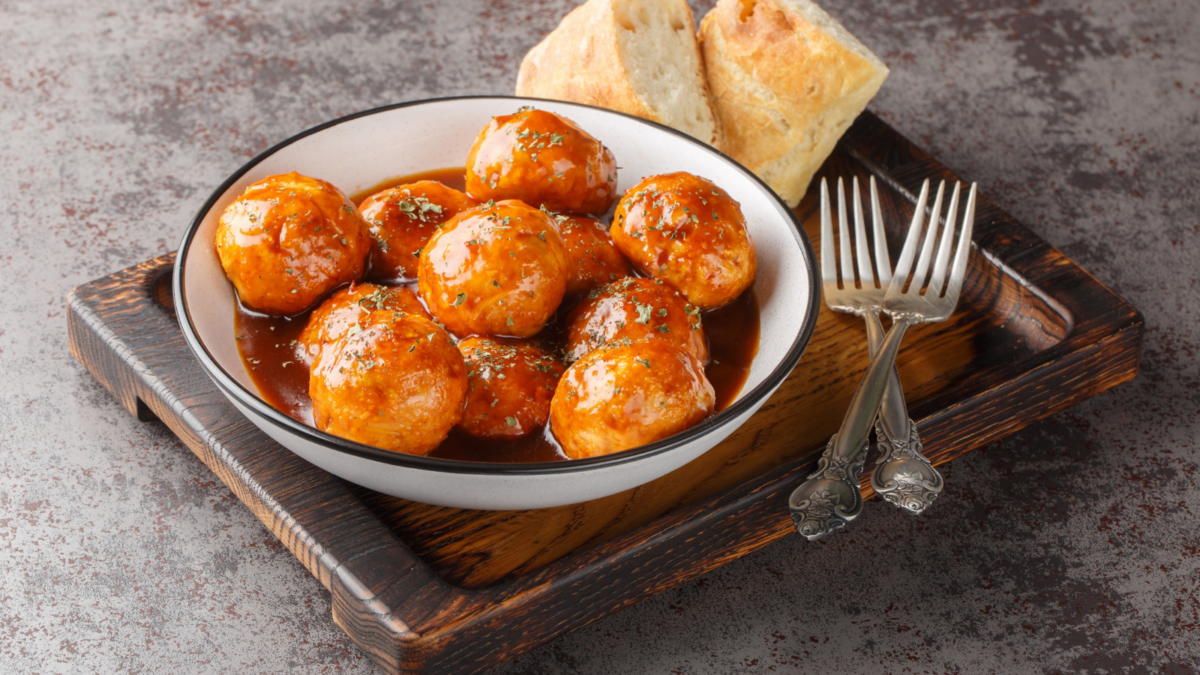
Chipotle’s magic is that it can deepen flavor without making it dramatically hotter.
Fresh jalapeños bring a bright, grassy sharpness, while chipotle adds something much darker. Its smoky character works almost like a seasoning, which is why it pairs so naturally with tomatoes, beans, corn, grilled meats, and roasted vegetables.
That makes it especially useful when you want to add variety to familiar foods without completely changing the meal. A small amount stirred into beans or tomato sauce can make a simple weeknight dish taste much more developed.
That Little Can of Adobo Is a Treasure
Chipotle adobo gives you two powerful ingredients in one can: smoky peppers and a deeply flavored sauce.
The peppers are packed in a seasoned adobo sauce, so you can chop the chiles, blend them, or spoon some of the sauce into whatever you are cooking. Bon Appétit’s ideas for using leftover chipotles in adobo include turning them into dips, salsa, marinades, sandwich spreads, and sauces.
You don’t need to use the whole can at once, either. Freeze leftover peppers and sauce in small portions, then pull out exactly what you need for the next batch of chili, soup, or homemade dressing.
Give Ordinary Food a Smoky Upgrade
Some of the best uses for chipotle take almost no extra effort.
Mix minced chipotle with mayonnaise for a smoky burger spread, stir some into scrambled eggs, or blend it into a creamy dressing. Toss roasted sweet potatoes or cauliflower with chipotle, oil, and lime before baking, or add a spoonful to barbecue sauce when you want more depth.
Chipotle also pairs surprisingly well with sweet flavors. Its smoky heat pairs well with honey, maple syrup, and even chocolate, creating an addictive sweet-and-spicy contrast that keeps you coming back for another bite.
It Doesn’t Have to Stay in Mexican-Inspired Dishes
Once you understand chipotle’s flavor, the ingredient becomes much easier to experiment with.
You can rub it on chicken before grilling, stir it into a pot of beans, fold it into meatloaf, or add it to a simple tomato soup. McCormick also suggests using chipotle in burgers, wings, marinades, and even chocolate desserts, showing how far the smoky pepper can travel.
One particularly good trick is combining chipotle with something acidic. Lime juice, vinegar, or tomatoes can cut through its richness and make the smoky flavor taste brighter rather than heavy.
A Humble Pepper With a Big Following
It is easy to see why this once-specialized ingredient became such a familiar flavor in American kitchens.
Chipotle’s popularity grew dramatically as American cooks became more interested in Mexican and Southwestern flavors. Smithsonian Magazine documented the ingredient’s rise in popularity, noting that the once-unfamiliar smoke-dried jalapeño eventually became a major flavor trend in American cooking.
Today, you can find chipotle in everything from restaurant sauces and marinades to supermarket condiments. Yet the basic idea remains wonderfully simple: take a ripe jalapeño, smoke it, dry it, and suddenly you have an ingredient that can transform an entire dish.
Start With a Little
Chipotle is at its best when you can taste the smoke and flavor instead of simply chasing the heat.
Start conservatively and add more if you want a stronger kick. One finely chopped pepper can be enough for a substantial pot of beans or sauce, while even a teaspoon of adobo can give a sandwich spread or soup an entirely different personality.
Keeping ingredients like this around also makes simple kitchen routines more rewarding because you can change familiar meals without starting from scratch.
Chipotle’s real appeal isn’t simply that it is spicy. It is what happens when a humble jalapeño meets smoke, time, and tradition—and comes out tasting like something completely new.
Would you try chipotle first in a burger, creamy sauce, roasted vegetables, smoky beans, or even a chocolate dess