You’ve Probably Eaten These Foods Before — But Did You Know They Can Be Dangerous?
When people hear “dangerous foods,” they often imagine bizarre dishes, mysterious ingredients, or something served in a faraway place where one bite could lead to disaster. But the truth is far more interesting.
Some foods that sound frightening are actually everyday staples enjoyed by millions worldwide. The real danger usually comes from a specific toxin, a certain part of the food, poor preparation, contamination, or simply eating too much.
In many cases, the food itself is not the problem. The real story is what happens before it reaches your plate.
From a famous Japanese delicacy to foods sitting in your kitchen right now, these ingredients have fascinating safety stories.
Fugu

Fugu, or pufferfish, is one of the world’s most famous foods with a dangerous reputation. The concern comes from tetrodotoxin, a powerful neurotoxin found mainly in certain organs such as the liver, ovaries, and intestines.
The fish is not automatically poisonous from head to tail. The risk comes when toxic parts contaminate edible flesh or when the fish is prepared incorrectly.
In Japan, fugu preparation is highly controlled, with special training and rules about which species and parts can be served. Despite its reputation, fugu remains a respected culinary tradition rather than a forbidden food.
Cassava
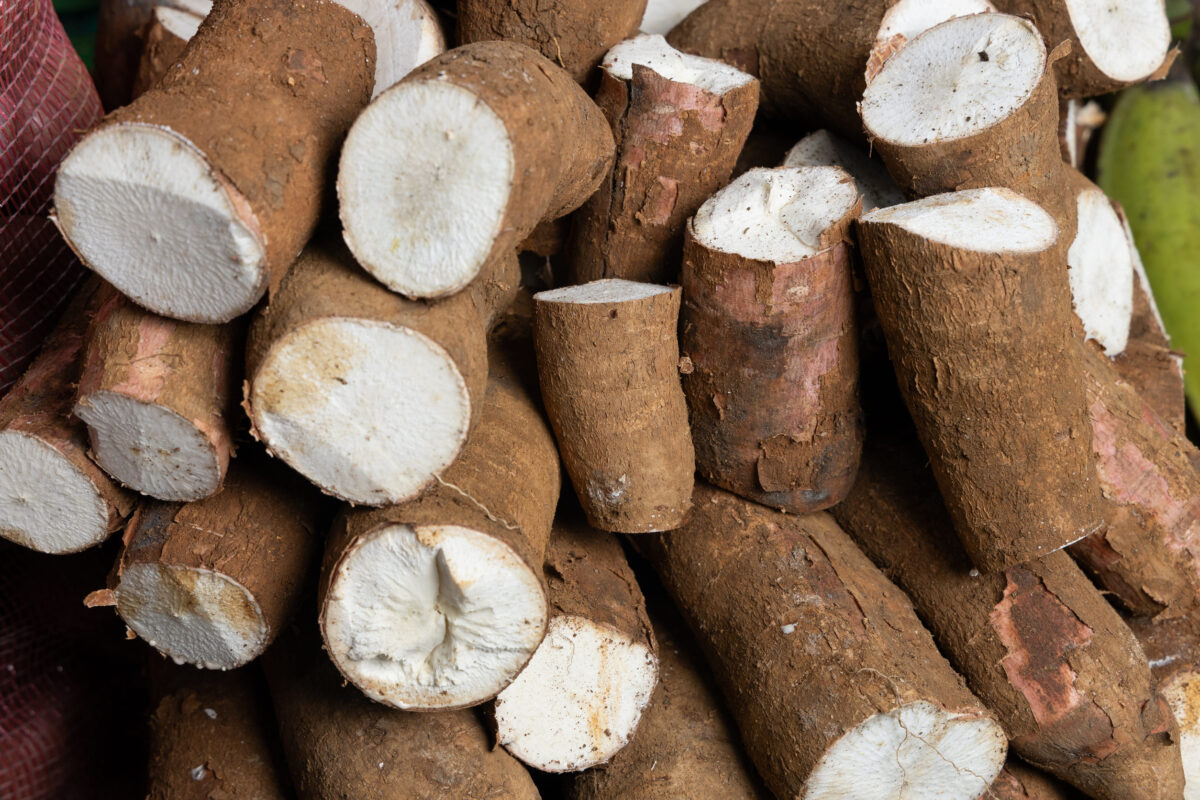
Cassava, also known as yuca or manioc, is a major food crop eaten across Africa, Latin America, the Caribbean, and parts of Asia. It is valued because it grows well in challenging conditions and provides an important energy source.
So why does it appear on a list of risky foods?
Raw or poorly processed cassava contains cyanogenic compounds that can release cyanide. Traditional preparation methods such as soaking, fermenting, drying, and cooking reduce this risk. The danger is not cassava itself , it is cassava that has not been properly processed.
For generations, communities have developed food traditions that make this valuable crop safe to eat.
Ackee
Ackee is a beloved fruit, especially in Jamaica and the Caribbean, where it is famously paired with saltfish. But this tropical fruit comes with an important rule: it must be properly ripe.
Unripe ackee contains hypoglycin compounds that can interfere with the body’s ability to produce energy. Eating unsafe parts of the fruit can lead to Jamaican vomiting sickness, a serious illness linked to dangerously low blood sugar.
The safe edible portion is the ripe flesh after the fruit naturally opens. The seeds and unripe fruit should not be eaten.
Red Kidney Beans
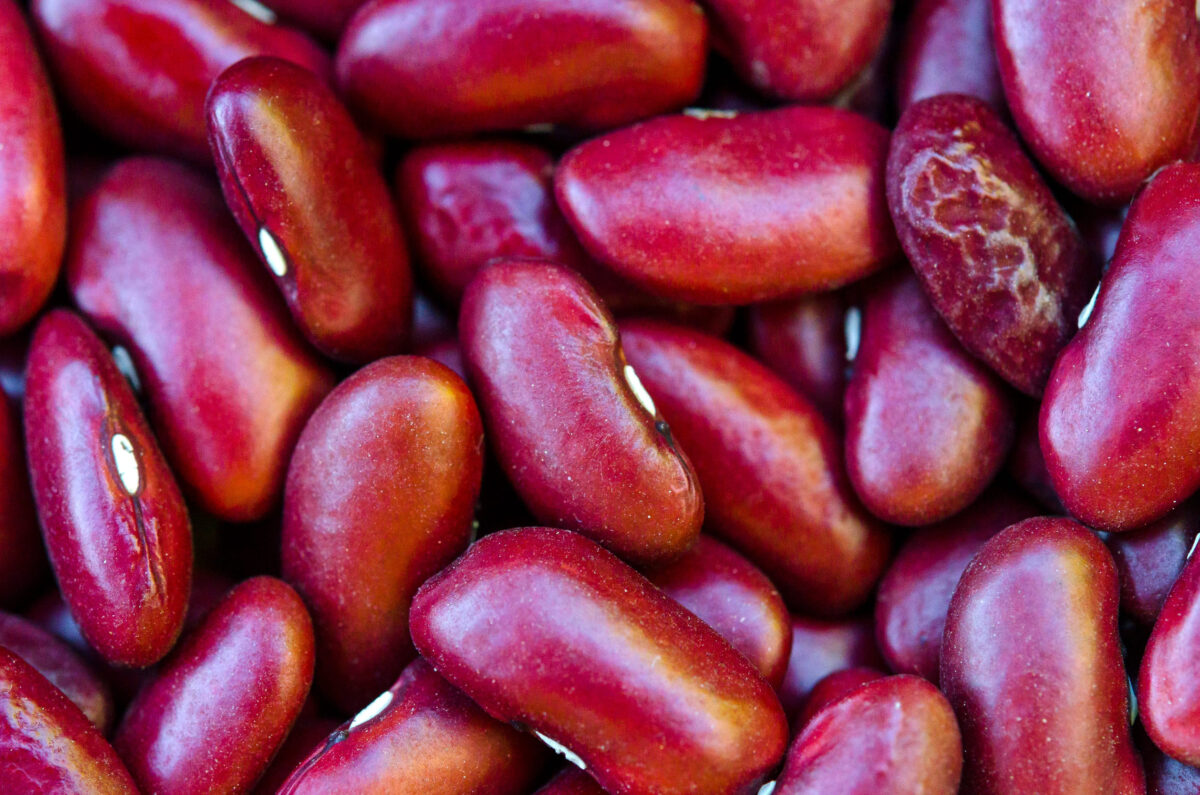
You might already have these sitting in your pantry.
Red kidney beans contain a natural toxin called phytohaemagglutinin. Eating raw or undercooked dried beans can cause nausea, vomiting, stomach pain, and diarrhea.
But you don’t need to fear your favorite bean dishes. Proper boiling destroys the toxin, and canned beans have already been heat-processed. The problem isn’t the beans themselves; it’s improper preparation.
Wild Mushrooms
Wild mushrooms are one of nature’s great culinary treasures, but they can also be a dangerous guessing game.
Death cap mushrooms and other amatoxin-containing species are naturally poisonous and can sometimes be mistaken for edible varieties. The frightening part is that symptoms may be delayed. Someone may appear to recover from early stomach problems before serious liver damage develops.
This is why mushroom experts recommend caution when foraging. A mushroom that looks delicious can be a very different story.
Seafood With Hidden Risks
Seafood is another category where the danger is often misunderstood.
Raw oysters, for example, can carry bacteria because oysters filter water and may concentrate microorganisms from their environment. Cooking reduces this risk.
Some reef fish can also carry ciguatoxin, a toxin that moves through the marine food chain. The fish may look, smell, and taste normal, and cooking does not remove the toxin. The best protection is knowing where the fish was caught and whether the area has known risks.
When Eating Too Much Becomes the Problem
Not every risky food is dangerous because it contains a powerful poison. Sometimes the issue is simply how much you eat.
Nutmeg is a good example. A small amount used in cooking is completely different from consuming large quantities. Excessive intake can cause unpleasant effects, including nausea, agitation, hallucinations, and other serious symptoms.
Escolar, a type of fish sometimes sold in seafood markets, is another example. It contains naturally occurring wax esters that can cause digestive problems. While the experience can be unpleasant, it is often exaggerated online as something far more dangerous than scientific evidence suggests.
The Real Lesson Behind “Dangerous” Foods
The most surprising thing about these foods is that many aren’t dangerous when handled correctly.
Cassava, beans, mushrooms, seafood, and traditional fermented foods all show the same pattern: humans have developed preparation methods, regulations, and cultural knowledge that help make foods safer.
So the next time you hear that a food is “deadly,” ask a different question.
Dangerous under what conditions? Because sometimes the real story isn’t about a scary food,it is about the knowledge needed to enjoy it safely.
Food is more than what ends up on your plate. It is also the history, science, and wisdom behind it.