10 Forgotten American Cakes That Deserve a Comeback (Because Your Grandma Was Onto Something)
Walk into a modern bakery, and you’ll probably find the usual suspects: chocolate cake, red velvet, carrot cake, maybe a trendy pistachio creation with a name nobody can pronounce. But hiding in old cookbooks, church recipe boxes, and family memories are cakes that once had their moment in the spotlight, then quietly disappeared.
Some of these cakes were tied to major moments in American life. Others were born from clever shortcuts, supermarket inventions, or the kind of “wait…you put WHAT in the cake?” creativity that made home baking fun.
The interesting thing? These cakes weren’t forgotten because they were bad. Many simply belonged to a different era , one of community gatherings, recipe cards, brand cookbooks, and desserts designed to feed a crowd. The list below mixes truly obscure recipes with retro favorites that have faded from everyday baking culture.
Election Cake: When Cake and Civic Duty Met
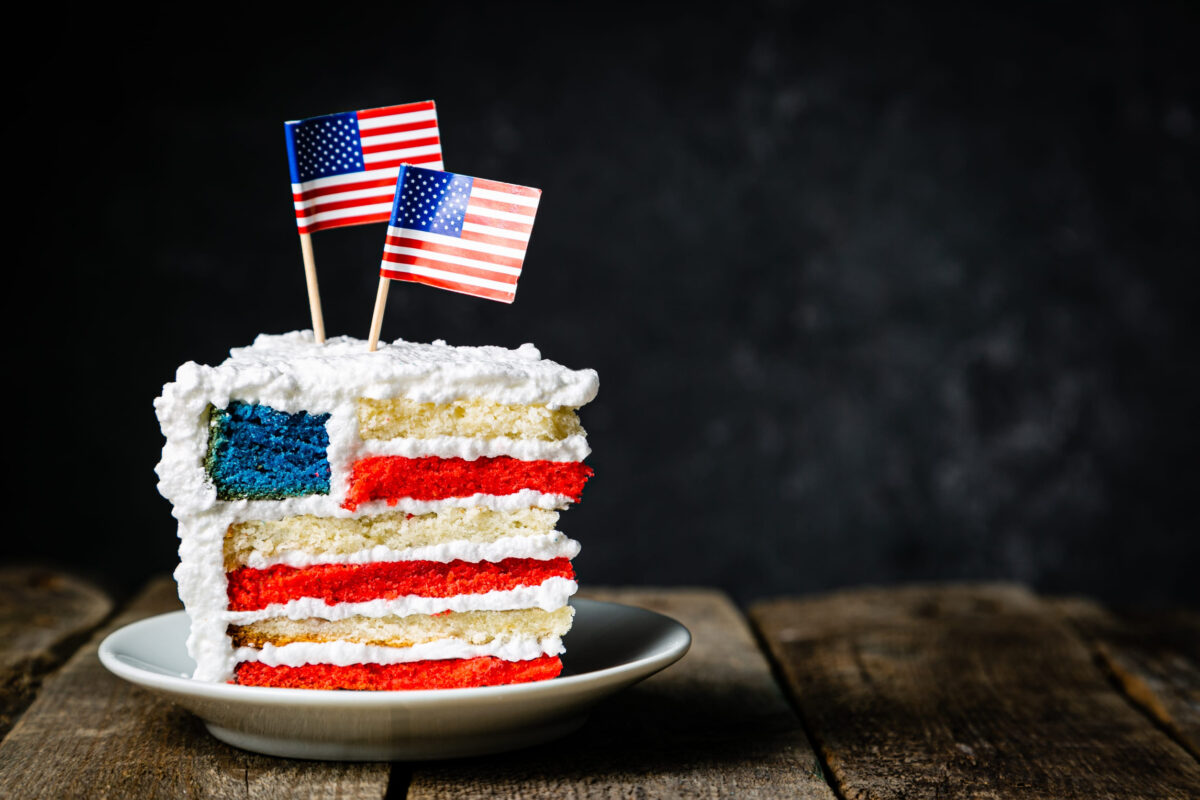
Before Election Day meant rushing to a polling station and heading home, it was often a community celebration. Enter Election Cake,a giant, yeasted fruit-and-spice cake made to feed crowds at election gatherings.
This wasn’t a cute little birthday cake. Traditional versions contained flour, butter, sugar, eggs, dried fruit, spices, yeast, and sometimes brandy. It was more like a rich fruit bread meant for sharing.
The recipe appeared in Amelia Simmons’s 1796 American Cookery, one of the earliest American cookbooks, but she didn’t necessarily invent it. The cake evolved from older community cakes and became connected with early American election celebrations.
Today, Election Cake is mostly a heritage baking project rather than a supermarket staple , but it’s a delicious reminder that food has always been part of public life.
Lane Cake: The Southern Showstopper
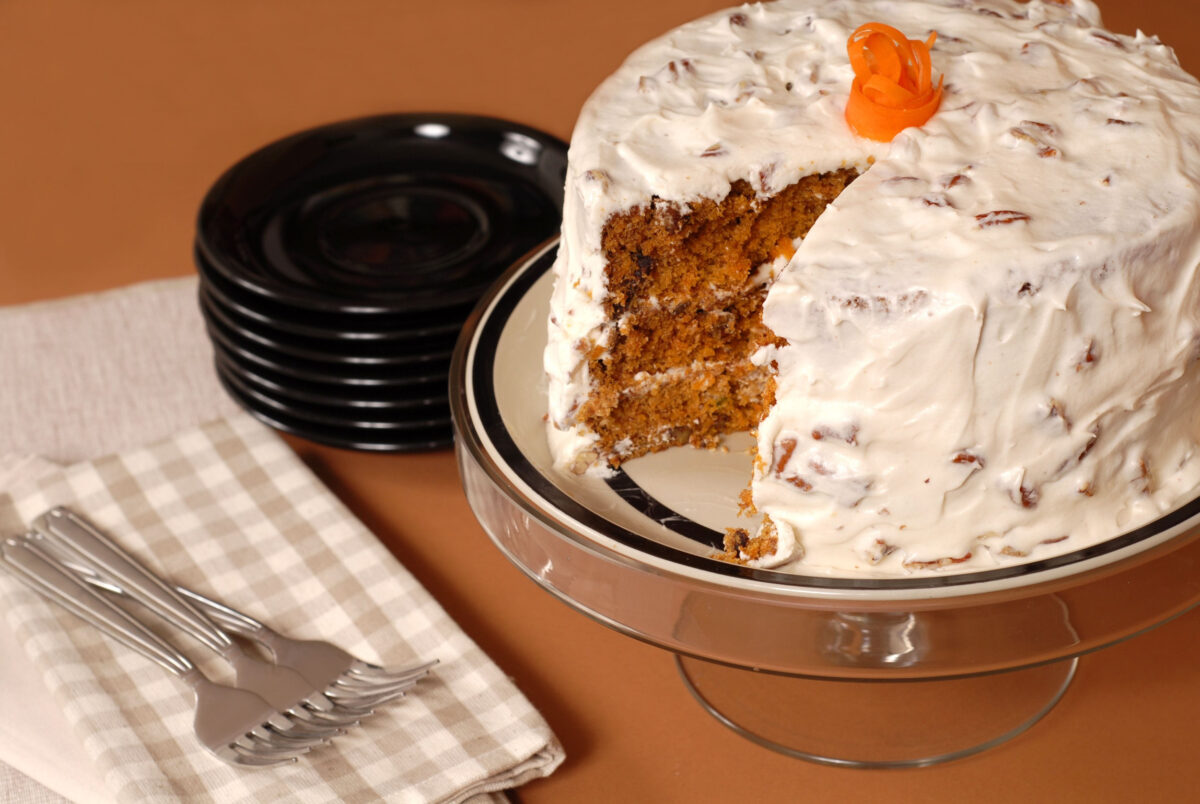
Lane Cake is the kind of dessert that announces, “Someone really spent all afternoon making this.”
Created by Emma Rylander Lane in Alabama in 1898, this elegant cake features layers of white sponge cake, a rich filling made with egg yolks, butter, sugar, raisins, and whiskey or brandy, plus a fluffy boiled frosting.
It became famous beyond the South after appearing in To Kill a Mockingbird, where it gained a reputation as a glamorous, slightly mysterious party cake.
The reason it faded? Simple: it’s a project. Multiple layers, cooked filling, and careful frosting aren’t exactly a Tuesday-night baking shortcut. Still, Lane Cake remains culturally important, especially in Alabama, where it’s still celebrated.
Icebox Cake: The No-Bake Genius
Before “easy dessert hacks” became an internet category, icebox cake existed.
The idea was wonderfully simple: layer thin cookies or wafers with sweetened whipped cream, refrigerate overnight, and let time transform the cookies into something cake-like.
Icebox cakes became popular as refrigerators entered American homes, and companies promoted recipes that showcased this exciting new kitchen technology.
The famous chocolate wafer version took a hit when Nabisco discontinued its Famous Chocolate Wafers in 2023, but the concept refuses to disappear. People simply swapped in Oreos, graham crackers, or homemade cookies.
Honestly, that’s the beauty of this cake: it was never really about one ingredient. It was about making dessert without turning the kitchen into a sauna.
Tomato Soup Spice Cake: The Secret Ingredient Cake
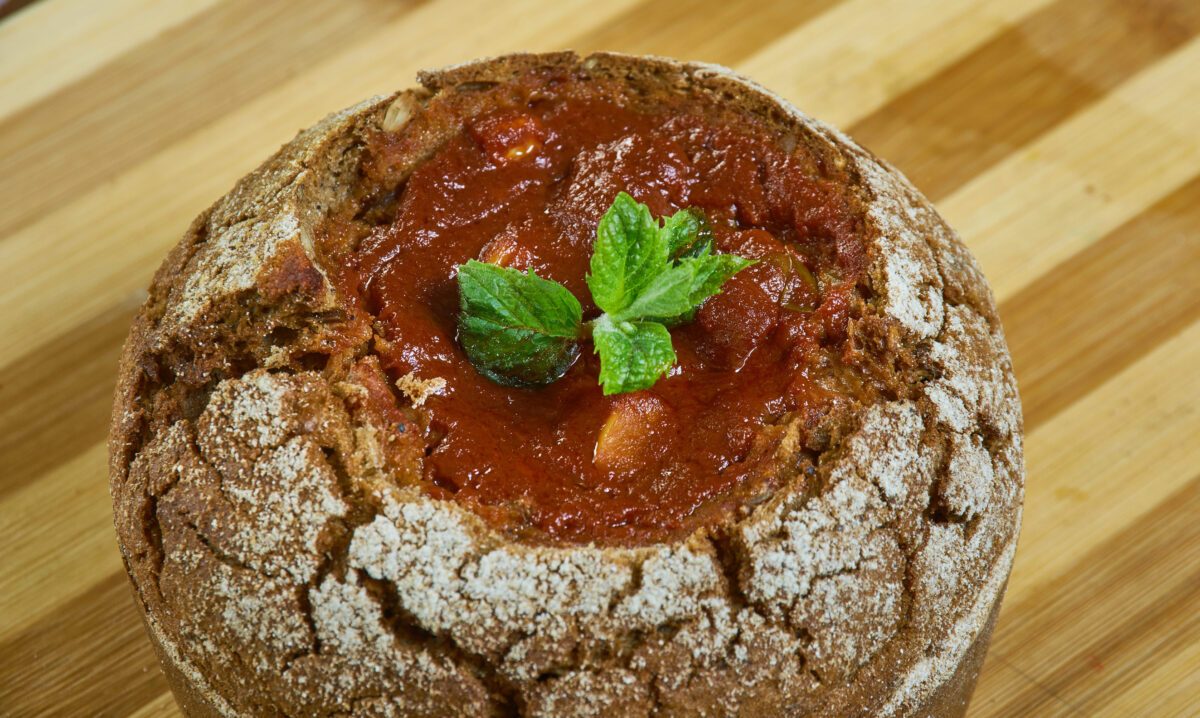
Few cakes create a bigger reaction than Tomato Soup Spice Cake.
Yes, tomato soup. In cake.
The surprise is that the soup doesn’t make the dessert taste like a bowl of tomato bisque. Instead, it adds moisture and works with spices like cinnamon, cloves, and nutmeg to create a warm, rich spice cake.
Campbell’s helped popularize the recipe through its famous recipe marketing, including printing it as the first recipe on a Campbell’s soup label in 1960.
It’s the perfect example of midcentury American creativity: take a pantry item, add a little imagination, and convince everyone there’s a dessert hiding inside.
Chocolate Mayonnaise Cake: Don’t Judge the Ingredient List
Mayonnaise in chocolate cake sounds like a dare. But it actually makes sense.
Because mayonnaise contains oil and eggs, it helps create a soft, moist crumb. The cake became popular from the 1930s through the 1950s, when home cooks loved practical recipes that stretched ingredients and used pantry staples.
The biggest challenge today isn’t the taste; it’s convincing people to try it.
Once baked, the mayonnaise mystery disappears, leaving behind a rich chocolate cake. Sometimes the weirdest ingredient does the most work.
Tunnel of Fudge Cake: The Original Lava Cake Before Lava Cake
Long before restaurant menus were filled with molten chocolate desserts, home bakers were slicing into Tunnel of Fudge Cake.
Ella Rita Helfrich created this Bundt cake for the 1966 Pillsbury Bake-Off, and it surprised people with its soft, fudgy center.
It became a sensation and even helped fuel America’s love affair with the Bundt pan. Pillsbury received more than 200,000 letters asking where people could buy one.
The original recipe became harder to reproduce after key ingredients disappeared, but the cake remains a favorite among retro baking fans.
Watergate Cake: A Dessert With a Political Punch
The 1970s produced some unforgettable desserts, and Watergate Cake may be the most recognizable example of the era’s love for clever names and convenience ingredients.
Made with white cake mix, pistachio pudding, lemon-lime soda or club soda, nuts, coconut, and a fluffy pistachio topping, the cake was bright green, easy to make, and impossible to ignore.
Its name came from the Watergate scandal era, when newspapers and home cooks embraced the joke-filled food culture surrounding the political event. However, the cake’s exact origin remains unclear, and no reliable evidence shows it came from the Watergate Hotel.
Today, Watergate Cake survives mostly through retro recipe collections, church cookbooks, and nostalgic bakers who appreciate its very 1970s personality.
Jell-O Poke Cake: The Dessert That Made Cake Colorful
If you attended a birthday party or potluck in the late 1970s or 1980s, you probably saw a Jell-O Poke Cake.
The idea was wonderfully simple: bake a cake, poke holes all over it, pour flavored gelatin into those holes, then cover everything with whipped topping. The result was a colorful dessert with bright stripes running through every slice.
General Foods Kitchens introduced the Jell-O Poke Cake through advertising and recipe booklets in 1976. It was the perfect convenience dessert: inexpensive, easy, and guaranteed to look impressive on a party table.
While gelatin desserts lost some popularity over time, poke cakes never fully disappeared. Modern versions use everything from strawberries and lemon gelatin to chocolate pudding and seasonal flavors.
Sock-It-to-Me Cake: The Cake With a Catchy Name
Some cakes are remembered because of how they taste. Others are remembered because their names instantly transport you to another era.
Sock-It-to-Me Cake belongs in the second category.
Popular in the late 1960s and 1970s, this buttery Bundt cake featured a cinnamon, brown sugar, and pecan swirl running through the middle. It was strongly associated with Duncan Hines boxed-mix marketing and reflected the era’s playful language, including the popular phrase “sock it to me” from Rowan & Martin’s Laugh-In.
The cake was a clever compromise: start with a boxed mix, then add homemade touches that made it feel special.
Today, younger bakers may not recognize the name, but vintage recipe fans keep bringing it back because it delivers exactly what a good coffee cake should: buttery, sweet, and comforting.
Harvey Wallbanger Cake: When Cocktails Became Dessert
Before every cocktail had a matching cupcake, there was Harvey Wallbanger Cake.
Born from the popularity of the Harvey Wallbanger cocktail in the 1970s, this cake borrowed the drink’s flavors- orange juice, vodka, and Galliano liqueur,and turned them into a boozy Bundt dessert.
Like many cakes from the era, it relied on convenience ingredients such as boxed cake mix and instant pudding. The result was an easy dessert that still felt sophisticated enough for dinner parties.
The cake faded as cocktail culture changed and Galliano became less common in home bars. But for anyone interested in vintage entertaining, Harvey Wallbanger Cake remains a fascinating snapshot of 1970s party culture.