7 Dinner Mistakes That Are Hard to Fix Once They Happen
Some cooking mistakes can be corrected while a dish is still in progress. A sauce can be loosened, seasoning can be adjusted, and a pan can be pulled from the heat at the right moment. But some problems become much harder once flavor or texture has already changed.
At that point, the goal is often less about recreating the original dish and more about making the best use of what you have. These dinner mistakes are the ones that can cross that line.
Over-Salting a Dish
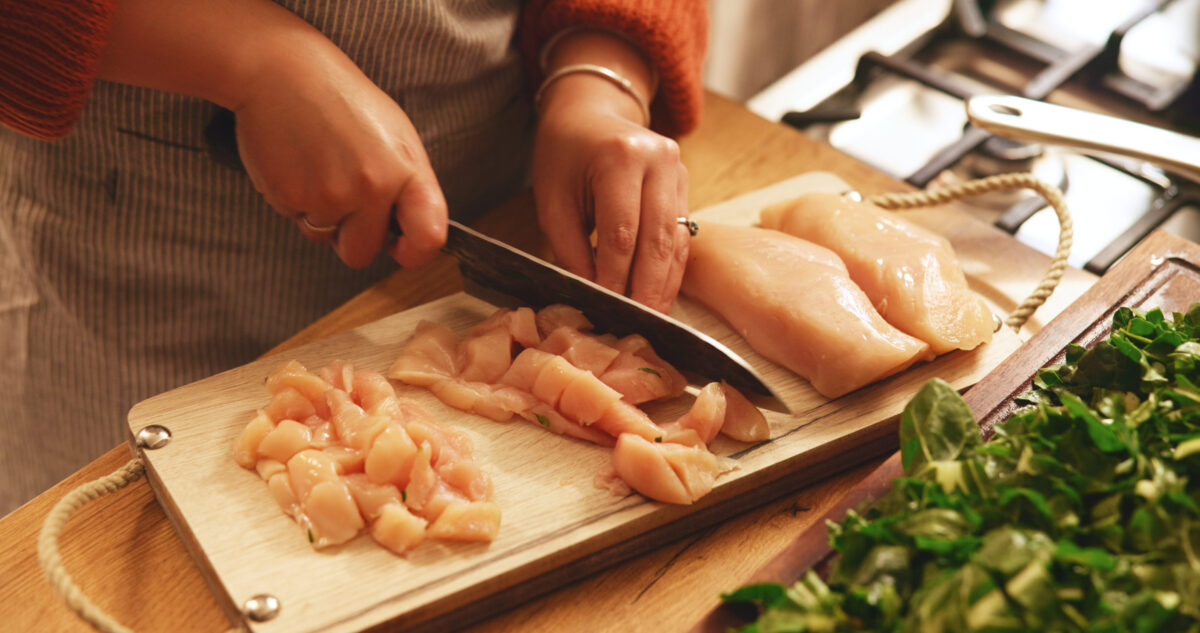
A sauce, soup, stew, or braise can taste perfectly balanced early on and then become too salty as it cooks down. As liquid evaporates, the salt that remains becomes more concentrated, changing the final flavor of the entire dish.
The challenge is that salt cannot simply be removed from the original batch. Most fixes involve changing the balance instead, such as adding more unsalted ingredients or increasing the amount of liquid. Those methods can help, but they do not return the dish to its original seasoning level.
The best prevention is to season gradually and taste as you go. For dishes that will reduce, it is especially helpful to avoid adding all the salt before the final volume of liquid is reached. That same approach can be especially useful when you are learning how to build flavor in soups, stews, and sauces, where reductions can change seasoning more than expected.
Reducing a Butter-Based Pan Sauce Too Far
A butter-based pan sauce often comes together in its final moments, which means the last stage requires attention. If the sauce reduces too much after the butter has been added, it can lose its smooth, glossy texture and separate into a greasy-looking mixture.
Once too much liquid has cooked away, the balance that keeps the sauce unified has changed. A little extra water may sometimes help bring it back together, but the longer it continues cooking after breaking, the less predictable the result becomes.
The key is knowing when to stop. Reduce the sauce before finishing with butter, then watch the pan closely once the butter goes in. A lightly thickened, glossy sauce is usually the point where it is ready to leave the heat.
Scorching the Garlic
Garlic can go from fragrant to bitter very quickly, especially when it is finely grated or pressed. Once scorched garlic flavors the oil in the pan, that bitterness can spread into the rest of the dish.
If the problem is caught immediately, before the garlic and oil are mixed into other ingredients, removing the burnt garlic and starting that step again may still work. But once the bitter flavor has been distributed throughout a sauce, it becomes much harder to separate.
This is a mistake where prevention matters most. Garlic benefits from gentle cooking, and in many recipes it helps to add it later than sturdier aromatics. Keeping the heat under control gives the garlic time to add flavor without crossing into bitterness.
Overcooking Pasta Until It Turns Mushy
Pasta has a texture window that can disappear quickly. Once noodles become too soft, their structure changes, and they no longer have the firm bite that many dishes depend on.
Adding sauce, oil, or pasta water can adjust moisture and consistency, but it cannot restore the texture the pasta had before it was overcooked. Reheating will not bring back that lost firmness either.
The easiest way to avoid this is to start checking pasta before the suggested cooking time is finished, especially if it will continue cooking in a sauce. If it has already gone too far, changing the purpose of the pasta may be the better move.
Overcooked noodles can still work in baked dishes, soups, or leftover creations where the texture is less noticeable. A dependable pasta-cooking guide can also help cooks understand why noodles should come out of the water before they reach their final texture.
Cooking Risotto Past Its Ideal Texture
Risotto depends heavily on timing. The goal is rice that is tender while still holding some texture, surrounded by a creamy sauce rather than a stiff mass.
The problem is that continued heat keeps changing the rice. As it moves past the ideal point, the grains can become overly soft, and the dish can thicken as it sits. Adding extra stock may loosen risotto that has simply tightened, but it cannot restore grains that have already lost their structure.
Stopping at the right moment is the biggest advantage. Serve risotto soon after it reaches the desired texture instead of letting it remain in a hot pot. If it becomes too soft, repurposing it into another dish is often more realistic than trying to recreate the original consistency.
Overcooking Steak, Chops, or Stew Meat
Meat does not always stop changing the instant it leaves the heat. Residual heat can continue cooking it, and pushing it beyond the intended point changes the final texture and doneness.
For steak and chops, there is no way to reverse that process. Sauces and different serving methods can make the meat more enjoyable, but they do not return it to its earlier state. Stew meat has a similar challenge: while longer cooking can soften it, too much time can eventually lead to moisture loss.
Using an instant-read thermometer and paying attention near the end of cooking can help prevent this mistake. If meat is already overcooked, slicing it thinly, adding sauce, or turning it into a different dish can make better use of it.
Overworking Mashed Potatoes Into a Gluey Texture
Mashed potatoes are a reminder that more effort is not always better. Once cooked potatoes are worked too aggressively, they can release enough starch to create a sticky, dense texture. Serious Eats specifically cautions that overworked potatoes can release starch that turns mash gluey.
Adding more butter or milk may change the consistency, but it does not reliably bring back the light texture that was lost. The potatoes have already been altered by the way they were handled.
A gentler approach works better from the start. Breaking down the potatoes with a ricer or food mill and folding in additions carefully helps avoid overworking them. If the mash becomes too loose as well as too dense, adding more properly prepared potato or turning the mixture into potato cakes or another dish can be a better solution.
For cooks who want a more detailed technique, this guide to avoiding gluey mashed potatoes explains why minimizing excess water and overmixing matters.
The easiest cooking problems to solve are usually the ones caught early. Once a dish has moved too far in flavor or texture, the smartest fix is often not trying to force it back to where it started, but finding the best way forward with what remains.