Nearly 168,000 Pounds of Meat Were Recalled, Here’s What Shoppers Need to Know
A massive nationwide recall involving beef, pork, and goat has an unusual problem: the meat was sold with a USDA inspection mark that federal officials say was false.
A large amount of raw meat has been pulled into a nationwide recall, and the reason is more serious than an ordinary labeling mistake. Star Meat Delivery Inc., a company based in Lucama, North Carolina, is recalling about 167,639 pounds of raw pork, beef, and goat products produced without federal inspection.
A&D Foods distributed the affected meat to retailers and restaurants nationwide. According to the WSMV report on the nationwide meat recall, federal officials discovered the problem during Food Safety and Inspection Service surveillance activities.
The Problem Is the USDA Mark
The meat didn’t just have the wrong sticker—it carried a false federal inspection designation.
The recalled products bear the establishment number “EST. 1363,” which FSIS says is a false USDA mark of inspection. Because the products were made without federal inspection, officials cannot provide the normal assurance that regulated meat products have gone through the required inspection process.
That distinction matters because consumers might reasonably assume a USDA inspection mark means a product was produced under federal oversight. In this case, officials specifically warn that products carrying the false establishment number should be considered misbranded and unsafe to eat.
The USA TODAY report on the recall notes that it covers more than 160,000 pounds of raw meat and that federal officials are concerned some of it could still be in homes, restaurants, or retail locations.
What Kind of Meat Is Included?
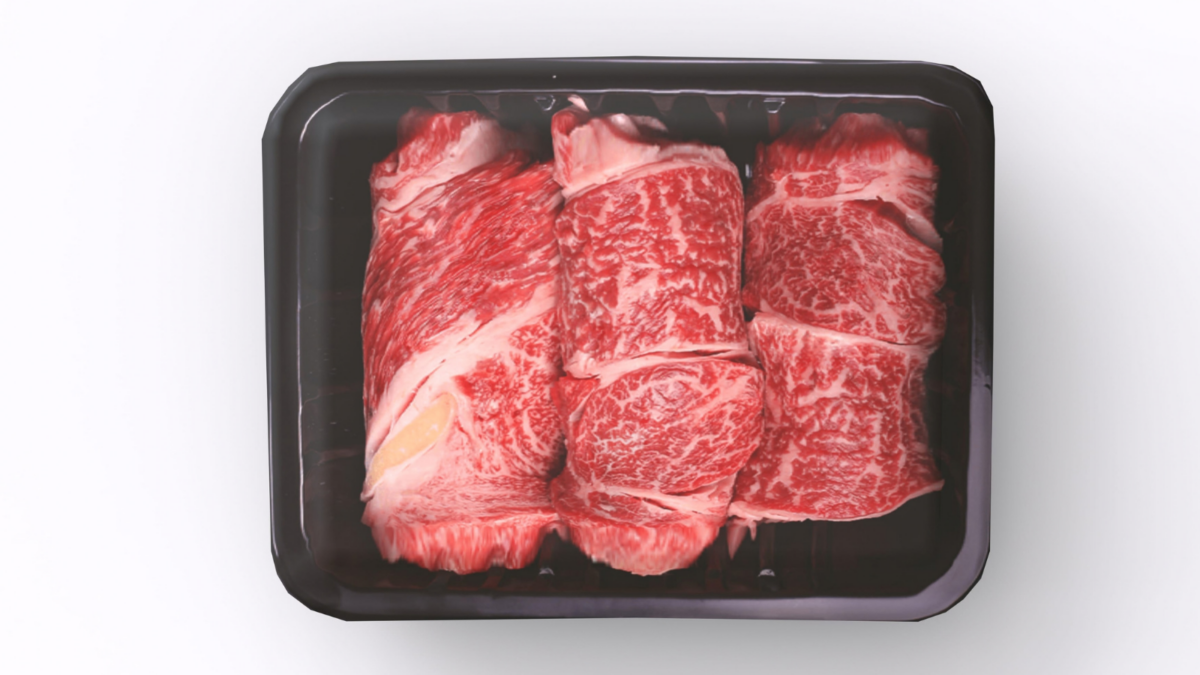
This is a surprisingly broad recall because it covers several types of meat and numerous cuts.
The products include raw beef, pork, and goat sold under the A&D Foods label. The recalled items were individually vacuum-packed and placed inside cardboard boxes of varying weights, with production dates before September 22, 2026.
The products listed include goat cuts, goat burn skin-on cuts, sliced ribeye, thin-sliced beef chuck, beef oxtail, beef short ribs, beef shanks, pork Boston butt, and sliced pork hocks. The list also includes beef feet and other cuts that could have been supplied to restaurants and retail customers.
An important wrinkle for anyone checking a freezer: the original bulk packaging may not be the packaging a consumer actually sees. Retail stores may have applied their own stickers containing pricing and safe-handling information, meaning the false establishment number may not appear on an individual package.
Why Is an Inspection Problem a Food-Safety Problem?
The concern is not that officials have identified one specific contaminant—it is that the meat bypassed the inspection process entirely.
According to federal officials, meat produced without inspection can contain harmful bacteria, undeclared allergens, or other contaminants that the inspection system would normally address. That is why the recall has been classified as Class I, the USDA’s most serious recall category.
A Class I recall is used when there is a reasonable probability that consuming the product could cause serious adverse health consequences or death. That classification reflects the potential risk associated with the recalled products; it does not mean that every package is contaminated.
So far, officials have reported no confirmed illnesses or injuries associated with the recalled meat.
What Should You Do If You Find It?
This is one of those cases where putting the package back in the freezer is not a safe solution.
Consumers who believe they purchased affected products should not eat them. USDA guidance says to discard the meat or return it to the place of purchase, while retailers and restaurants have been urged not to sell or serve it.
If you are checking a freezer or refrigerator, look beyond the consumer-facing label and consider where the meat came from, particularly if it was purchased in bulk or supplied to a restaurant. The AOL report detailing the affected products notes that FSIS may update the product list as additional information becomes available.
A Recall That Shows Why Labels Matter
A tiny number printed on a package can sometimes tell you far more than the meat’s name.
The establishment number on meat packaging is easy to overlook when you are shopping for steaks, ribs, or stew meat. But in a recall like this, that detail becomes crucial because it helps distinguish affected products from the countless other cuts sitting in refrigerators and freezers nationwide.
The investigation and recall process also illustrates why official inspection systems matter even when food looks perfectly normal. Raw meat can look fresh and smell fine without revealing anything about how it was produced or handled.
For anyone trying to build better simple kitchen habits, checking recall notices may not be the most exciting routine, but it is one of those small steps that can matter when something unusual happens.
For now, the safest takeaway is straightforward: if you find meat associated with the recalled products or the false “EST. 1363” mark, do not eat it, sell it, or serve it.
When you buy meat, do you usually check the label and establishment information, or do you mainly look at the cut, price, and expiration date?