7 Easy Ways to Cut Calories Without Going Hungry
Cutting calories doesn’t have to mean eating tiny meals, skipping your favorite foods, or completely changing how you cook. Often, the easiest changes come from small swaps that make everyday meals lighter while keeping the flavors and portions you enjoy.
A practical approach is to focus on simple ingredient changes: add more volume with fruits and vegetables, choose foods that work well in place of higher-calorie options, and watch extras like sauces, oils, and toppings.
Foods with more water and fiber and less fat tend to have lower calorie density, so they can add volume to meals without requiring you to shrink your portions.
Here are seven easy kitchen strategies that can help you make smarter calorie swaps without making meals feel restrictive.
Mix Riced Cauliflower Into Your Rice
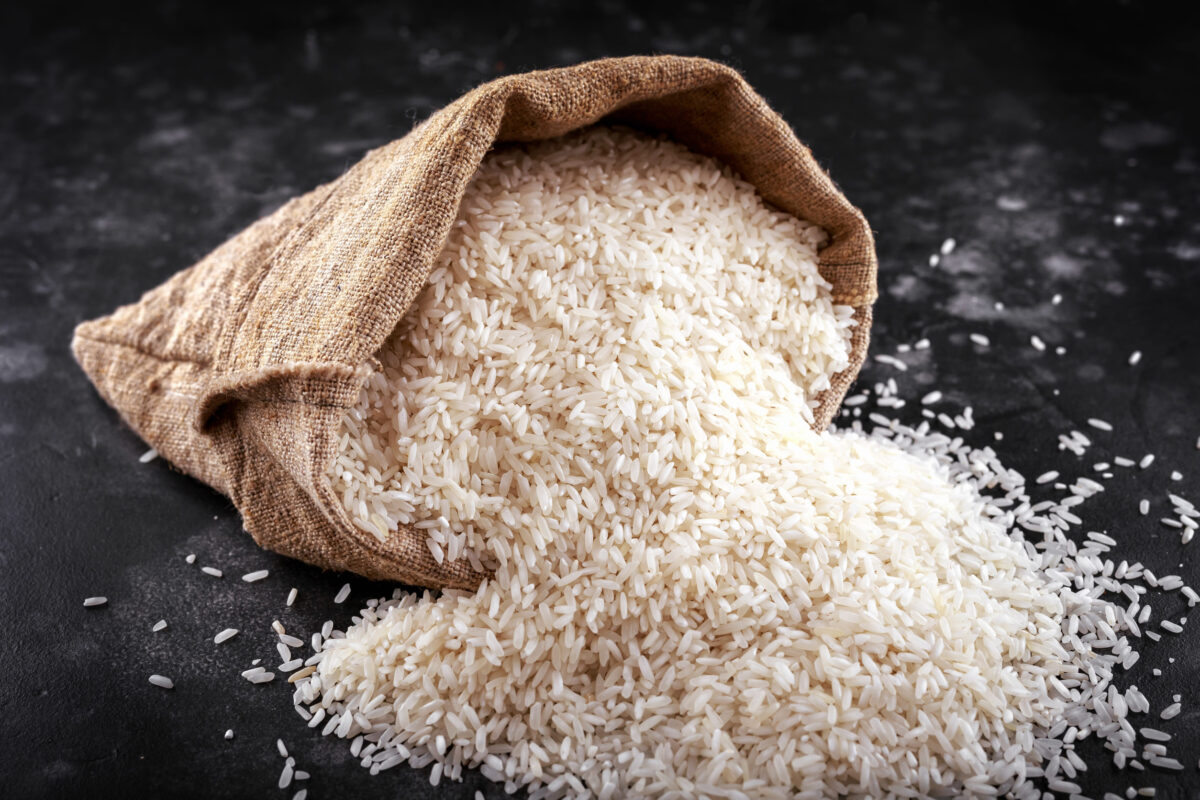
Rice is a favorite base for countless meals, from stir-fries to burrito bowls and curries. Instead of replacing rice completely, try mixing part of your serving with riced cauliflower.
A simple 50/50 combination can help you keep rice’s familiar texture while adding another ingredient to the dish. The goal is not to make cauliflower taste exactly like rice, but to create a blend that works with the flavors you already enjoy.
Great Value Riced Cauliflower comes as a 12-ounce frozen bag and is designed as an easy option for quick meals.
Make Plain Greek Yogurt a Kitchen Staple
Plain Greek yogurt is one of those ingredients that can do more than one job. You can use it for breakfast, add it to recipes, or swap it into dishes that traditionally use sweeter or heavier ingredients.
The listed serving size is 3/4 cup (170 grams), with 100 calories, 17 grams of protein, 0 grams of fat, and 0 grams of added sugar.
Try combining it with fruit and cinnamon for a simple breakfast, or use it in dips and dressings where you want a creamy texture.
Add More Vegetables to Meals You Already Cook
One of the easiest ways to adjust your meals is to build on recipes you already make instead of starting from scratch.
You can add vegetables such as mushrooms, peppers, zucchini, spinach, cauliflower, and shredded cabbage to many everyday dishes. Fruits like berries, apples, and oranges can also be simple additions to meals and snacks.
For example, you can stretch taco filling by adding finely chopped mushrooms, peppers, and onions. The meal stays familiar while adding another layer of ingredients.
This strategy works because it changes the meal’s makeup rather than simply removing food from the plate.
Keep Frozen Vegetables Ready for Busy Days
Frozen vegetables are a convenient option when you want a quick ingredient without extra preparation.
Great Value Frozen Cauliflower works well in roasted sides, soups, casseroles, and mash-style dishes. The product listing reports 30 calories per serving and no added chemicals or sugars.
Keeping frozen vegetables on hand makes it easier to add another ingredient to meals when fresh produce isn’t already prepared.
Use Powdered Peanut Butter in Recipes
Peanut butter is a popular ingredient, but some recipes do not require the same texture as traditional peanut butter. Powdered peanut butter can be useful when it mixes easily with other ingredients.
The listed serving size is 2 tablespoons (13 grams), containing 60 calories and 6 grams of protein.
It works well in smoothies, oatmeal, yogurt, sauces, and baking. Keep in mind that powdered peanut butter isn’t identical to regular peanut butter because its texture and ingredient profile differ.
Pay Attention to Oils, Sauces, and Toppings
Small extras can greatly affect a meal’s overall calorie content. Common examples include oil, creamy dressings, cheese, butter, mayo, sugary sauces, nuts, and restaurant-style toppings.
Cooking spray can be useful for eggs, vegetables, and baking, but remember that “0 calories” labels apply to very small spray amounts. Longer sprays still add oil and calories.
Instead of removing toppings completely, measure portions to keep them under control while still enjoying the foods you like.
Make Simple Drink and Snack Swaps
Some of the easiest changes happen outside of your main meals. For example, a 16-ounce regular soda contains roughly 190 calories. Simple alternatives include sparkling water with citrus, unsweetened iced tea, or coffee with less added sugar.
Snacks can also benefit from a small adjustment. Instead of eating directly from a package, place snacks like chips, crackers, or other treats into a bowl first. Making portions visible makes it easier to track how much you are eating.
The Bottom Line
Cutting calories does not have to mean making every meal smaller or giving up the foods you enjoy. The most realistic changes are often simple ones: mixing vegetables into familiar recipes, choosing versatile ingredients, measuring calorie-heavy extras, and making small swaps that fit your routine.
The goal is not perfection. It is finding easy adjustments that make everyday meals work better for your lifestyle while keeping food enjoyable.