Food Packaging Is Changing: Why Brands Need to Succeed Online Before in Stores
For many years, food packaging had a simple job. It protected the product, gave shoppers key information, and helped people spot their favorite brands in busy grocery stores.
Now, packaging has a much bigger job. It does not just compete with other products on the shelf. It also has to stand out among thousands of images and videos people see on their phones every day. Snacks, sauces, frozen meals, or drinks might be discovered through a TikTok recipe, an Instagram post, a YouTube review, or a creator’s grocery haul before shoppers ever see them in person.
Because of this change, food companies have to rethink what packaging means today. A good package does more than just hold food. It is part of the brand experience, helps people recognize the brand, and can even become something consumers want to share online.
With social media, the package itself can act as an advertisement.
From Grocery Shelves to Social Media Feeds
For a long time, food companies focused on what they called “shelf appeal.” This meant making products that stood out quickly among many choices. A bold logo, bright colors, a unique shape, and clear messages could help someone pick one product over another.
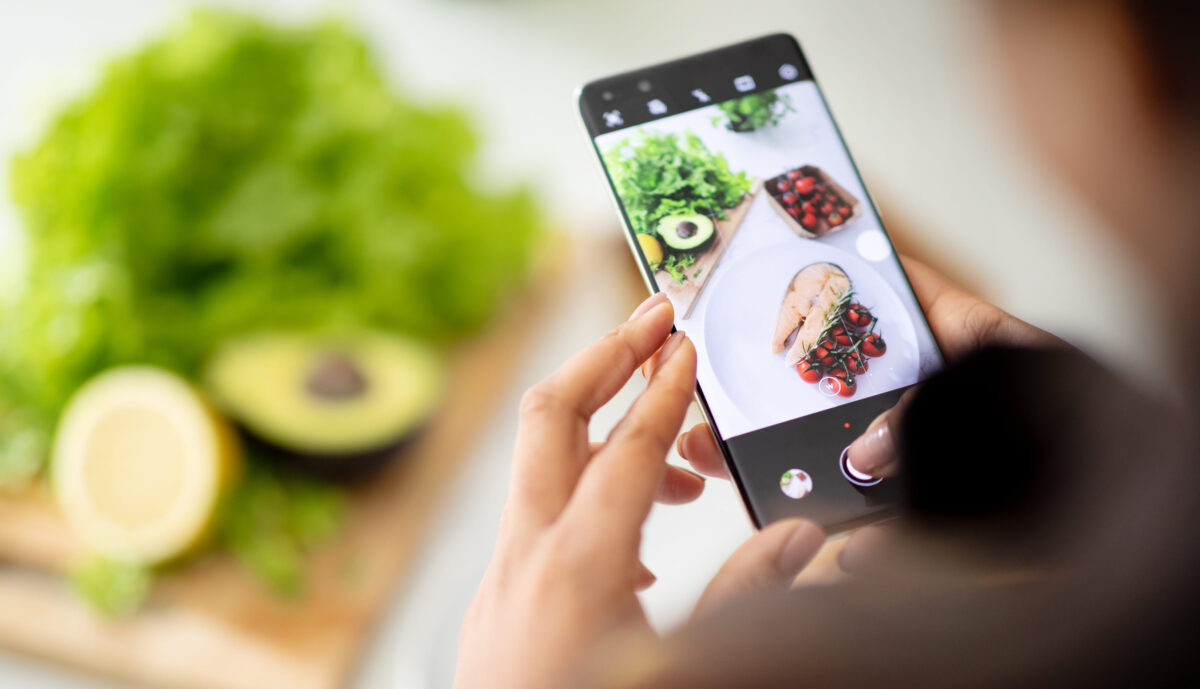
That kind of competition is still important, but how people find products has changed a lot. Many shoppers now see food products online before they ever see them in stores. A creator might show off a new snack in a short video, use a certain sauce in a recipe, or share a frozen meal made in an air fryer. People get to know these products online before they add them to their shopping carts.
This change is especially clear with younger shoppers, who often buy things differently than older generations. Instead of finding a product in a store and then looking it up, they might first see it on social media, check reviews, search for where to buy it, and later share their own experience online. Research from the National Frozen & Refrigerated Foods Association found that social media is the top recipe source for 72% of Gen Z and Millennial air-fryer users, showing how digital platforms are shaping how people find and cook food. For food companies, this means packaging needs to look good both in stores and on a phone screen.
The Package Is Becoming Part of the Product Experience
Packaging has always done more than just give basic information. It tells people what they are buying, what to expect, and what kind of brand experience they will have.
Social media haSocial media has made this role even bigger. If a package is easy to spot in a quick video, it has an advantage because people might only see it for a few seconds. A unique bottle shape, special design, or clear look can help shoppers remember a product long after they scroll by.ime, packaging problems that once stayed private can now become public conversations. A difficult-to-open container, confusing instructions, excessive wrapping, or packaging that does not match consumer expectations can quickly become the focus of online criticism. This means food packaging is no longer just a design decision. It has become a reputation issue.
Today’s packaging has to work in three places: on the store shelf, where it needs to stand out; online, where it needs to be easy to spot; and in the kitchen, where it needs to be convenient and useful. The best designs do well in all three areas.
Why Brands Are Creating “Shareable” Packaging
One of the biggest changes in food packaging is that more designs are made for social sharing. “Shareable packaging” is not an official industry term, but it describes how companies are making packages that people want to photograph, talk about, or include in their online posts. This can mean limited-edition designs, collectible packaging, bold artwork, or unique product shapes. Sometimes, brands also create interactive experiences that link the package to digital platforms.
QR codes are a common example of this trend. A small code on the package can take people to recipes, how-to videos, product stories, loyalty programs, information about sustainability, or online groups. But experts say these digital features only help if they offer real value. A QR code that leads to helpful content can make the experience better, but if it is just there to look modern, it can seem pointless. More companies are learning that technology should help the product, not take attention away from it.
How Influencers Changed the Way Packaging Is Designed
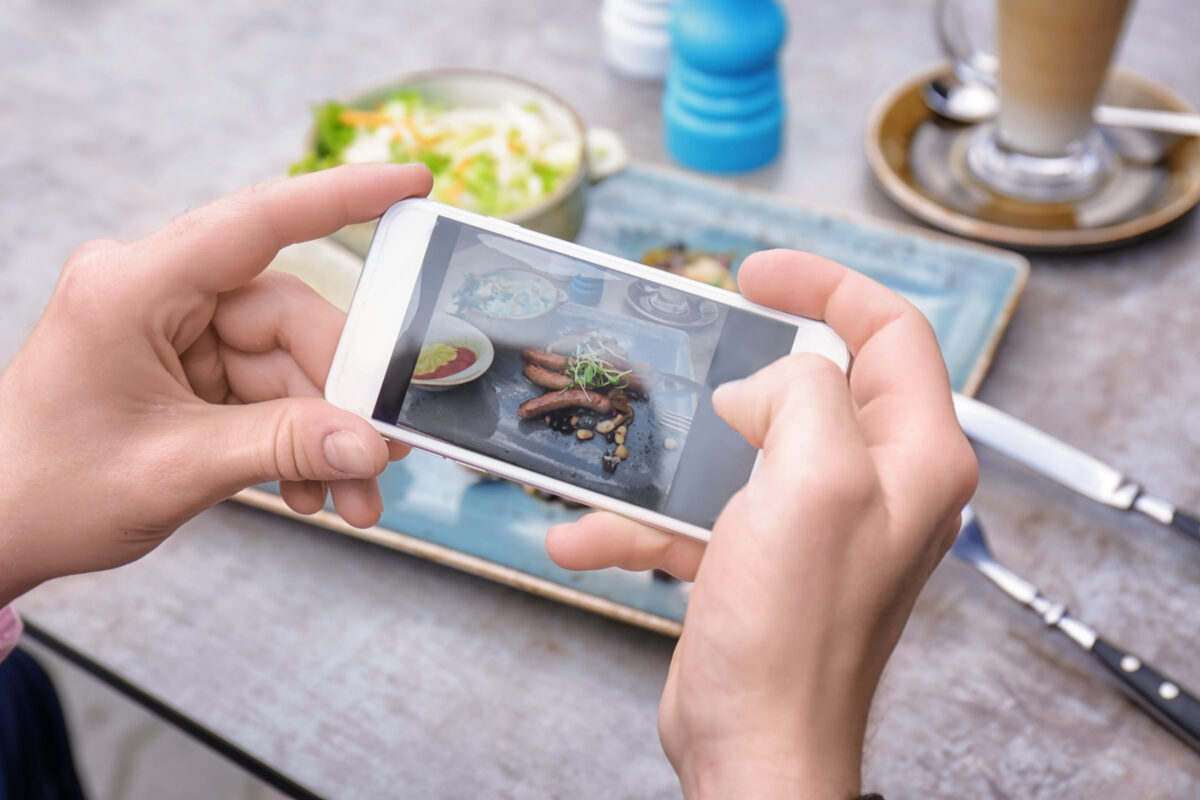
The rise of influencers and user-generated content has changed food marketing in ways many companies did not expect. A grocery haul video, cooking tutorial, or product review can turn regular packaging into a key part of the story. When a creator opens a snack, pours a sauce, or shows a product on their kitchen counter, viewers get a close look at the design.er. A product that looks impressive online may attract attention, but it still needs to deliver when consumers actually use it.
A frozen meal featured in a viral recipe video needs clear cooking instructions. A sauce featured in a creator’s kitchen should have a bottle that is easy to use. A snack promoted online needs packaging that can handle shipping and fits into daily life. If what people see online does not match what they get, they will quickly share their disappointment. Meaning
Younger shoppers are often called visual buyers, but they want more than just good looks. They also care about convenience, honesty, and a brand message that feels real. Things like resealable packaging, easy-to-open designs, clear instructions, and smart storage options can be just as important as how the package looks.
Storytelling is now a big part of packaging too. More people want to know what makes a product special, whether it is the ingredients, cultural background, company story, or how it is made.
But companies cannot just focus on looks. Using natural colors on a package does not mean the product is truly sustainable. A traditional label does not always mean a product is authentic. Today’s shoppers are more aware of marketing tricks, and they want brands to back up their messages with real actions.