This One-Pot Pasta Is for the Nights When Even a Colander Feels Like Too Much
Some nights, “making dinner” feels less like a normal task and more like an absurd personal challenge involving chopping, boiling, draining, sautéing, and eventually confronting a sink full of dishes. This is the pasta for those nights: one pot, a few pantry staples, and a dinner that asks very little of you beyond stirring occasionally.
The easiest version is one-pan orecchiette with chickpeas, tomato paste, garlic, olives, rosemary, and water, all cooked together until the pasta is tender and the liquid becomes its sauce. It is cozy, savory, flexible, and blessedly free of the moment when you realize the pasta is done but you have not started the sauce.
The One-Pot Method Makes Dinner Easier
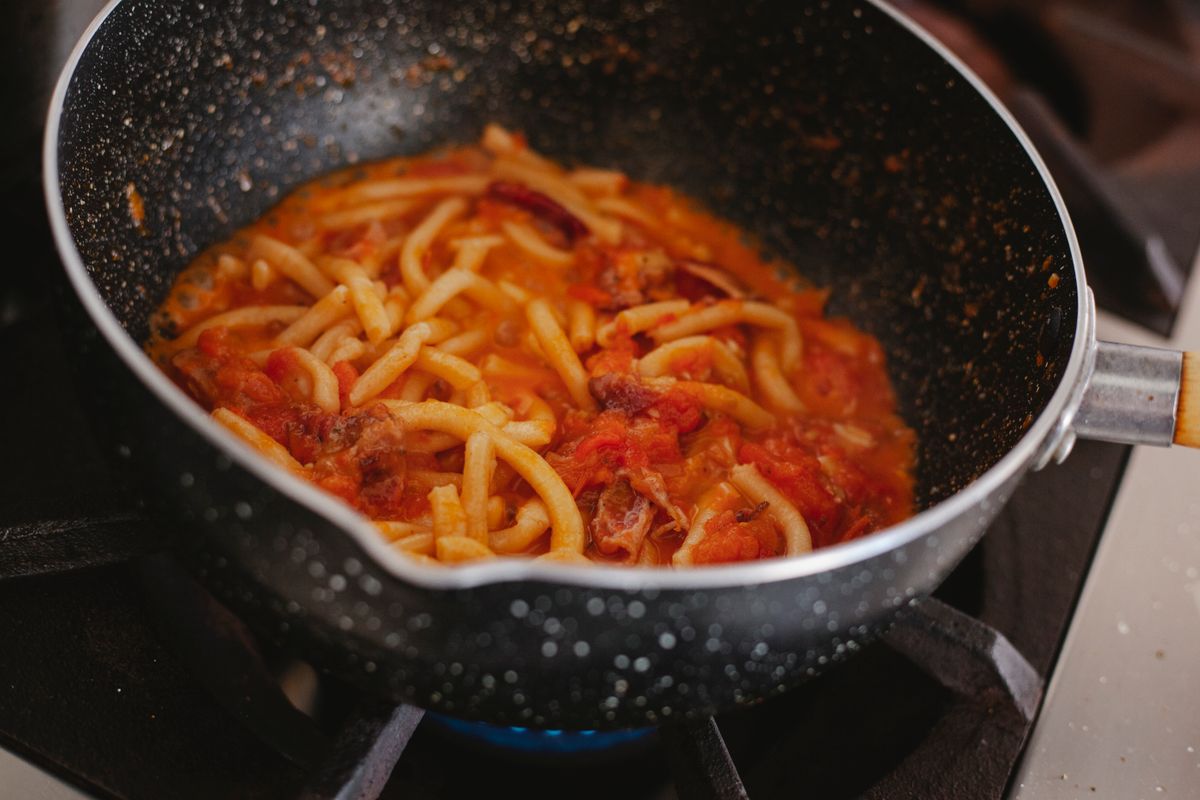
Traditional pasta cooking usually relies on a familiar two-part routine: boil pasta in one pot, make sauce in another, then combine everything at the end. That can produce excellent results, but it also creates more work, more timing issues, and at least one extra pan to clean after dinner. One-pot pasta takes a different route by letting the pasta cook directly in the liquid that becomes the sauce.
Food & Wine notes that one-pot recipes can make pasta dinner easier by cutting down the number of pots and pans involved. Its collection of one-pot pasta recipes includes fettuccine and asparagus cooked in the same pot, as well as a pasta e ceci-style dinner made from pantry staples such as ditalini and chickpeas simmered in an herb-scented broth.
The method works because pasta releases starch as it cooks. When that starch stays in a relatively small amount of cooking liquid instead of disappearing down the drain, it helps thicken the broth or sauce around it. The result is a glossy, lightly creamy finish without a separate pot of boiling water or a jar of sauce waiting on the sidelines.
Serious Eats puts it plainly: one-pot pasta dishes let flavors “meld right where they belong” while eliminating the need for extra saucepans or colanders. That does not mean every one-pot recipe is identical, or that you can toss any random amount of pasta and water into a pot and hope for greatness. It means a thoughtfully proportioned recipe can cook the noodles and build the sauce at the same time.
For the truly tired cook, that difference is huge. You are not trying to coordinate two burners while checking the clock, grating cheese, and wondering if you remembered to thaw anything. You are making one decision at a time: add the ingredients, bring them to a simmer, stir when needed, and eat when the pasta is tender.
Start With Pasta, Chickpeas, and Tomato Paste
Martha Stewart’s one-pan orecchiette with chickpeas and olives is a solid blueprint because it uses ingredients that are easy to keep on hand. The recipe combines orecchiette, canned chickpeas, olives, tomato paste, garlic, rosemary, olive oil, red pepper flakes, and water in a large straight-sided skillet. The ingredients cook together, creating a dinner that does not depend on fresh produce, specialty cheese, or an ambitious post-work trip to the grocery store.
Orecchiette works particularly well because its small, bowl-like shape catches bits of chickpea, olive, and sauce. But you do not need to treat pasta selection like you are casting a movie. Small shapes such as shells, elbows, ditalini, or small rigatoni also work well in one-pot meals, as long as you follow a recipe calibrated to the shape you use. Different pasta sizes absorb liquid at different rates, so avoid a casual swap from tiny pasta to long spaghetti without adjusting the cooking approach.
The flavor base is doing a lot of heavy lifting here. Tomato paste brings concentrated sweetness and savory depth, garlic gives the sauce its familiar pasta-night foundation, olives add briny intensity, and chickpeas make the dish feel more substantial. Rosemary and red pepper flakes add aroma and a little heat, and you can adjust both based on what you have and what your household will actually eat.
The first time you make it, follow the recipe’s liquid amount and timing closely. One-pot pasta is easy, but it is still cooking, not kitchen magic. Keep the pot at a steady simmer, stir often enough that the pasta does not settle and stick, and watch the liquid as the noodles soften. If the mixture looks too dry before the pasta is tender, add a small splash of water. If it is slightly loose near the end, keep cooking and stirring until the starch in the liquid helps it tighten.
That is the part many home cooks end up loving: the dish gives you feedback in real time. You are not waiting for one pot to drain or hoping a separate sauce comes together at the exact same moment. You can watch the broth become saucier, the pasta soften, and the ingredients become dinner right in front of you.
Related: Bari Ristorante Brings a Theatrical Italian Dining Experience to The Woodlands Waterway
Low-Effort Does Not Mean Bland
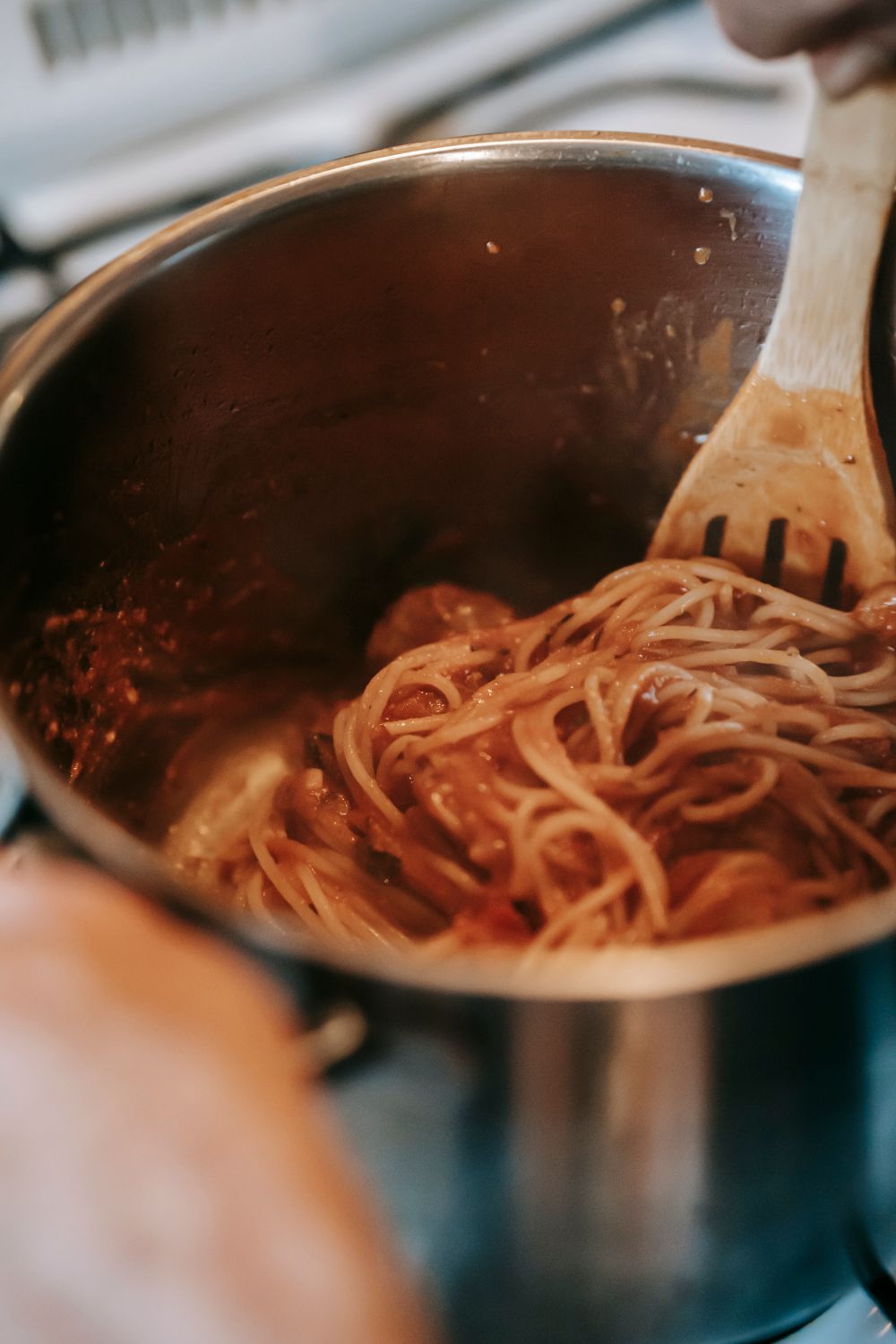
One-pot pasta is at its best when you treat it as a format rather than a culinary punishment. The goal is not to dump random pantry items into a pot and call it self-care. The goal is to use a few high-impact ingredients that bring salt, richness, brightness, and texture without creating a second cooking project.
For this chickpea-and-tomato version, olives handle much of the saltiness, so taste before adding extra salt. Tomato paste adds concentrated tomato flavor, while garlic and rosemary make the dish smell like you did more than open a few cans. A final drizzle of olive oil, a handful of Parmesan, or a squeeze of lemon can brighten the finished pot, but none is required for the basic dinner to work.
If you have spinach, kale, or another sturdy leafy green, stir it in near the end so it wilts without disappearing completely. A few canned artichoke hearts, roasted red peppers, sun-dried tomatoes, or leftover cooked sausage could also make sense, but add only what improves the meal. The beauty of a low-energy dinner is that it stays low energy. This isn’t the night to discover a half-used zucchini and launch a vegetable rescue operation.
Food & Wine’s one-pot pasta collection offers the same broader lesson: simple recipes can still build satisfying flavor through smart ingredient pairings. One featured pasta combines asparagus, butter, cream, Parmesan, nutmeg, salt, and pepper; another uses tomatoes, feta, olives, mint, and pasta for a Mediterranean-style dinner. The dishes vary, but the appeal is consistent: fewer pans, fewer steps, and flavors that do not feel like an afterthought.
Serious Eats also highlights one-pot options ranging from pasta e ceci, where chickpeas and stock help create a creamy sauce, to a 10-minute stovetop mac and cheese that cooks pasta and sauce together. The point isn’t that every meal should taste the same, but that minimal cleanup doesn’t automatically require sacrificing comfort or flavor.
The Bottom Line: The easiest one-pot pasta is the one you can make from the ingredients already in your kitchen without creating a pile of dishes as payment. Pasta, chickpeas, tomato paste, garlic, olives, herbs, and water can become a deeply satisfying dinner in one skillet, with the starch thickening the sauce as everything cooks. On the nights when you are too tired to cook, that is more than enough.