Oil Prices Drop After U.S.-Iran Pause, Bringing Relief to Drivers, Businesses and Global Markets

For anyone who fills up a car, pays an energy bill, or runs a business that depends on transportation, a distant conflict thousands of miles away can suddenly become a personal financial issue.
That connection was on full display this week as oil prices dropped after the United States and Iran paused military strikes, easing fears that a longer conflict could disrupt one of the world’s most important oil routes.
Brent crude, the global oil benchmark, fell sharply as markets reacted to the pause in fighting and renewed hopes for diplomacy. The decline followed weeks of concern that tensions around the Middle East, especially near the Strait of Hormuz, could create a major disruption in global energy supplies.
The market reaction was immediate. Investors moved away from the fear that oil supplies could tighten further, while consumers and businesses watched for signs that fuel costs could stabilize.
But the drop in oil prices does not mean the uncertainty is gone.
Why Oil Prices Fell After the U.S.-Iran Pause
Oil markets are highly sensitive to events that threaten global supply.
The recent conflict pushed energy prices higher as traders worried that fighting could affect shipping routes in the Middle East, particularly the Strait of Hormuz, a crucial pathway for oil transportation.
When the United States paused strikes on Iran for a third night, and diplomatic efforts continued, investors saw a reduced immediate risk of further disruption. That shift in expectations pushed crude prices lower.
MarketWatch reported that oil experienced one of its largest one-day declines in months following the pause in attacks. West Texas Intermediate crude and Brent crude both dropped as traders reacted to the possibility of reduced tensions.
The reason is simple: oil prices are not only driven by how much oil exists today. They are also shaped by what investors fear could happen tomorrow.
When fears of supply shortages rise, prices often climb quickly. When those fears ease, prices can fall just as fast.
The Impact Could Reach Gas Stations and Household Budgets
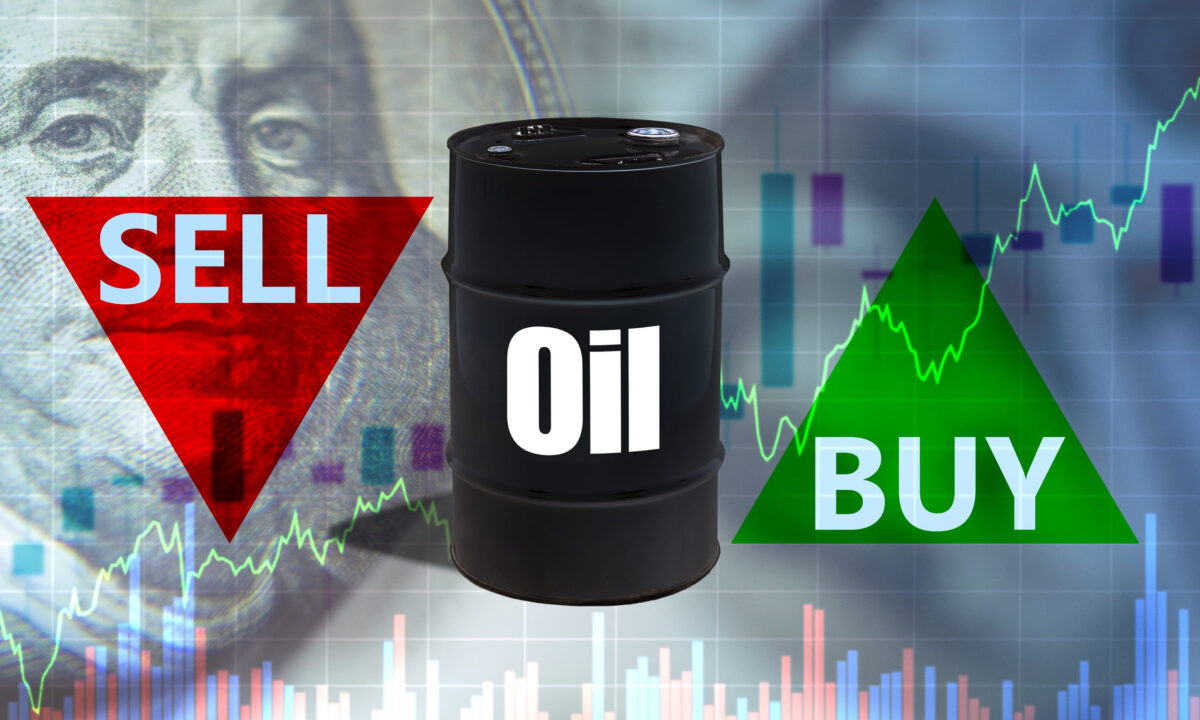
For many people, the biggest question is not what happens on Wall Street or in oil futures markets.
It is what happens when they pull into a gas station.
Fuel prices influence far more than the cost of filling a vehicle. Transportation companies, delivery services, airlines, manufacturers, and retailers all depend on energy costs.
When oil becomes more expensive, businesses often face higher costs moving goods and operating equipment. Those costs can eventually affect prices paid by consumers.
A decline in oil prices can provide some breathing room, especially for industries that rely heavily on fuel.
However, experts caution that consumers should not expect an immediate dramatic change at the pump. Gasoline prices depend on several factors, including refining costs, taxes, distribution expenses, and local market conditions.
The recent market move is mainly a response to reduced fears about a larger supply crisis rather than a guarantee of permanently lower energy prices.
Oil Companies Feel the Market Shift Differently
The drop in crude prices created mixed results across the energy industry.
While lower oil prices can benefit consumers and fuel-dependent businesses, they can create pressure for major oil producers because their revenues are closely tied to crude prices.
Energy companies listed on major stock markets reacted as investors adjusted expectations for future earnings.
The Guardian reported that falling oil prices affected energy stocks, including major companies such as BP and Shell, as markets responded to the change in crude prices.
For oil producers, higher prices generally mean more revenue per barrel sold.
For airlines, transportation companies, and other fuel-heavy industries, the opposite is often true. Lower energy costs can improve their financial outlook because fuel is one of their largest expenses.
That is why a single move in the oil market can create winners and losers across different parts of the economy.
Global Markets Welcome a Moment of Calm
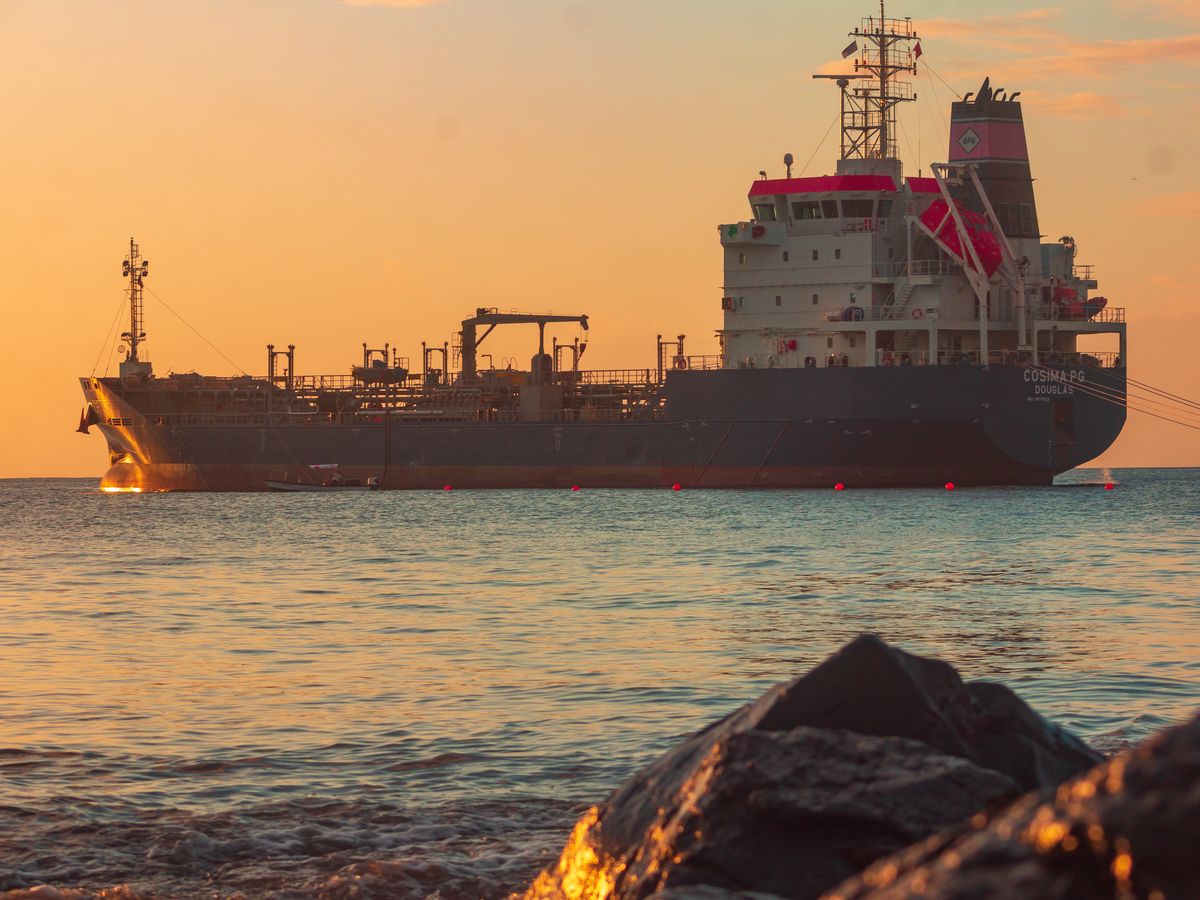
The oil decline also helped calm broader financial markets.
Investors had been watching the Middle East conflict closely because energy shocks can influence inflation, interest rates, and economic growth.
As fears of immediate escalation eased, global stocks received support. Reports showed that markets reacted positively to the pause in fighting, while energy stocks faced pressure from falling crude prices.
The change shows how closely connected global economies have become.
A military decision in one region can affect investors, companies, and households thousands of miles away within hours.
For central banks and policymakers, energy prices remain an important factor because sudden increases can contribute to inflation pressures.
A Relief Rally, But the Story Is Not Finished
The fall in oil prices has brought temporary relief, but the situation remains uncertain.
The United States and Iran have paused attacks, but no permanent agreement has been announced. Officials continue to balance diplomatic efforts with military concerns.
The Strait of Hormuz remains a major focus because any future disruption could quickly affect global energy markets.
For everyday consumers, the biggest takeaway is that oil prices are connected to much more than fuel.
They influence grocery deliveries, travel costs, business expenses, and household budgets.
The latest decline shows how quickly markets can change when the risk of disruption rises or falls.
For now, consumers and businesses are getting a brief moment of relief. The next moves in the U.S.-Iran situation will determine whether that relief lasts or whether energy markets face another period of uncertainty.