This Creamy One-Pan Chicken Dinner Is Ready in 20 Minutes, and the Cleanup Is a Dream
When the day has been long, and the sink is already giving off bad energy, one-pan butter chicken earns a permanent place in the weeknight rotation. It brings together chicken, butter, onions, ginger, garlic, tomato paste, warm spices, and cream in one skillet, and it’s ready in about 20 minutes.
This isn’t the slow-simmered, restaurant-style dish that takes an afternoon to make. It is a streamlined, home-kitchen version that delivers a velvety tomato sauce and tender bites of chicken quickly, then asks only for rice or naan to turn it into a complete meal.
The skillet dinner starts simply
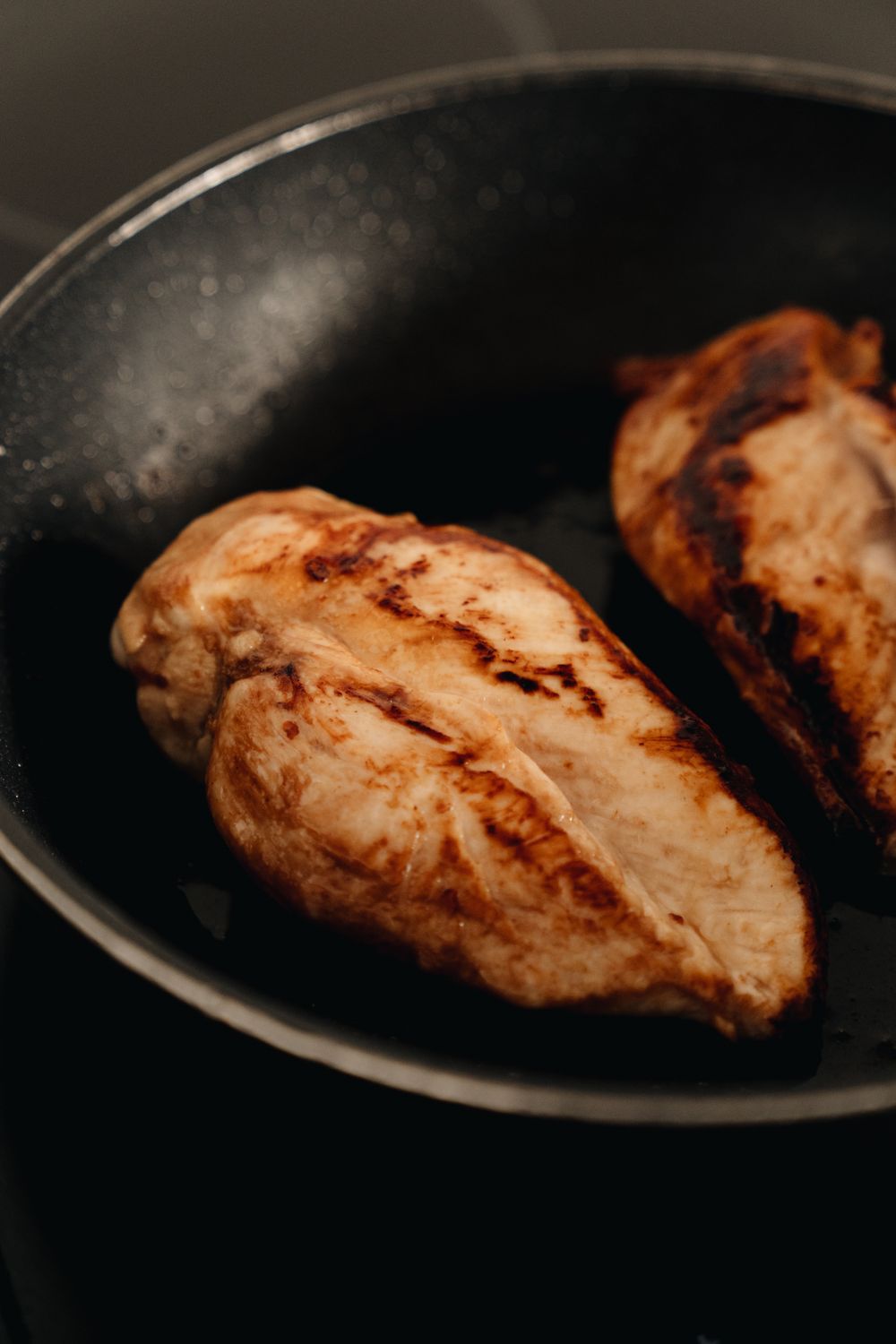
The recipe from Gimme Delicious calls for boneless, skinless chicken breast cut into bite-size pieces, which helps the meat cook quickly and evenly. Cook the chicken with oil, butter, chopped onion, fresh ginger, garlic, tomato paste, garam masala, cumin, chili powder, salt, and black pepper, then stir in heavy cream to make the final sauce.
The ingredient list packs plenty of flavor, but the process isn’t fussy. Heat a large skillet or medium saucepan over medium-high heat, then add oil, butter, and onion. Cook the onion for about three to four minutes, until lightly golden; add the ginger and garlic for 30 seconds, then add the chicken, tomato paste, and spices.
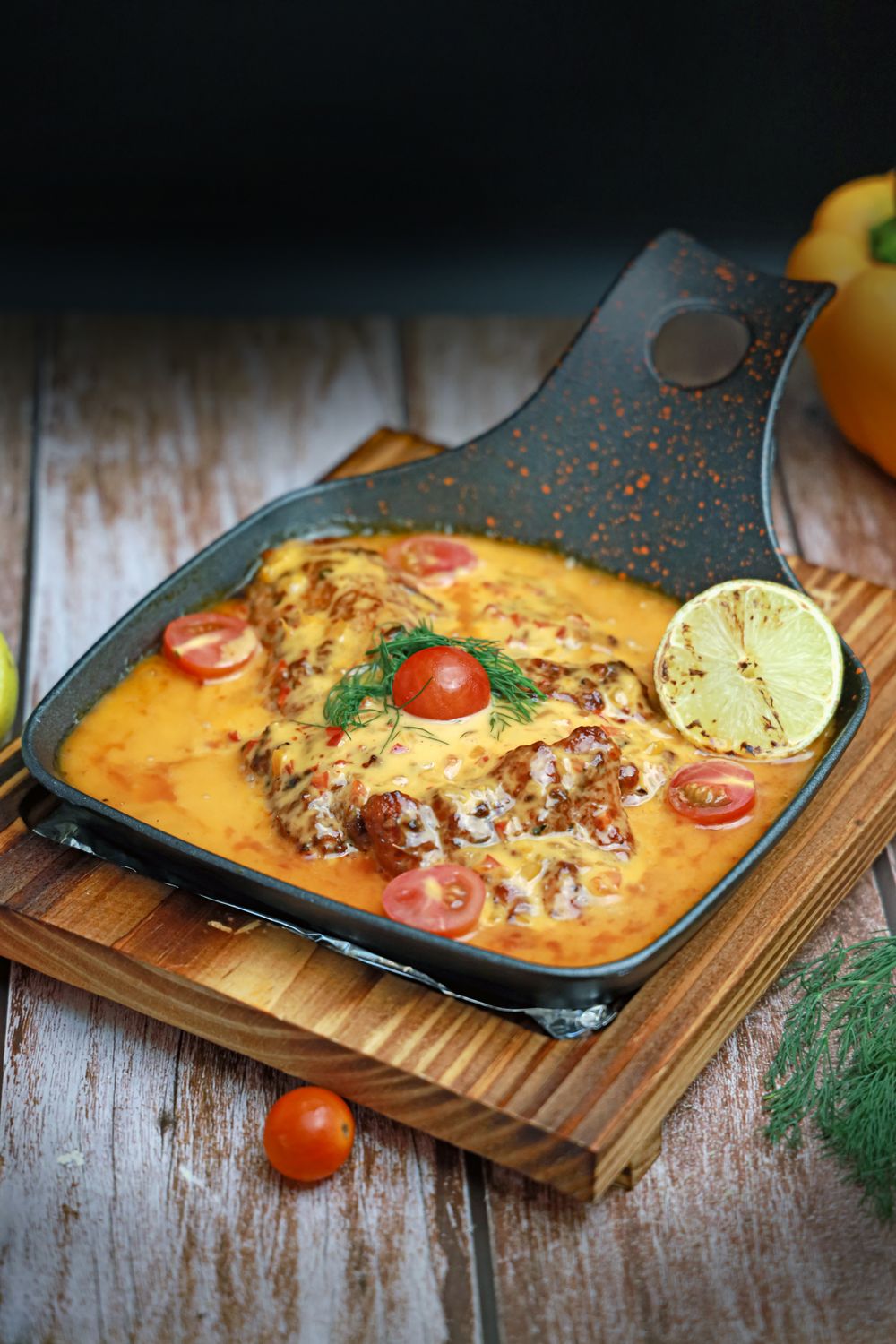
Cook the chicken with the tomato paste and seasonings for five to six minutes, until cooked through. Then comes the transformation: pour in the cream and let everything simmer for eight to 10 minutes, stirring occasionally. The result is a rich, orange-red sauce that coats the chicken without requiring a separate blender, a baking dish, or a mountain of cookware.
Recipe creator Layla Atik describes the dish as a “quick 20-minute butter chicken” that is “creamy and packed full of flavor.” She recommends serving it with basmati rice or naan, both of which use the sauce rather than leaving it behind in the skillet.
Related: Angry Chickz Is Bringing Its Nashville Hot Chicken to Sacramento With Its 48th Restaurant.
Why one pan makes weeknights easier
The appeal is not only speed. Building the whole dish in the same skillet means the flavorful browned bits from the onion, chicken, and tomato paste stay in the pan and become part of the sauce instead of getting left behind on a baking sheet or in a second sauté pan. Every stage adds something to the next, which is exactly what one-pan cooking is supposed to do.
The order of operations also keeps the dish moving. While the onion softens, measure the spices and cut the chicken; once the chicken hits the pan, add the tomato paste and seasonings right alongside it. By the time you add the cream, the main work is done, and the sauce just needs a short simmer to thicken and coat the chicken.
You can make the meal feel more substantial without changing the basic one-pan premise. Serve it over basmati rice, spoon it into bowls with warmed naan, or pair it with a simple cooked vegetable. The original recipe specifically suggests rice or naan, and either option turns the saucy chicken into a filling plate without asking you to reinvent dinner on a busy evening.
If you prefer chicken thighs, Atik says you can swap them in for chicken breast. She notes that thighs may need a few extra minutes to cook through, which makes sense because the recipe’s 20-minute timing is based on bite-size chicken breast pieces.
A few smart chicken rules matter
Quick cooking does not change the food-safety basics. The USDA says all poultry, including chicken breasts and thighs, should reach a minimum internal temperature of 165°F, measured with a food thermometer. The clock is useful, but temperature is the reliable way to know the chicken is safe to eat.
Set yourself up before you put raw chicken on the cutting board. The USDA advises preparing ready-to-eat foods, such as a salad or uncooked vegetables, before handling raw poultry. Use a separate cutting board for raw chicken, wash your hands with soap and water for 20 seconds after handling it, and wash any dishes, utensils, and surfaces that came into contact with raw chicken or its juices.
You also don’t need to rinse the chicken in the sink. USDA guidance warns that washing raw poultry can spread bacteria around the kitchen through splashing, and says rinsing or brining chicken in vinegar, lemon juice, or salt water does not destroy bacteria. Cooking it properly to 165°F is what does the job.
Once the chicken is in the skillet and the sauce is bubbling, dinner becomes remarkably low-maintenance. Stir it occasionally, check the temperature of a few chicken pieces near the end of cooking, and serve when the sauce has thickened to a creamy consistency. A sprinkle of cilantro can add a fresh finish if you have it, but the recipe is satisfying without any garnish.
That is the real weeknight promise: one skillet, a short ingredient-prep window, and a dinner that tastes far more comforting than its 20-minute timeline suggests. Put rice on the table, tear open some naan, and let the butter chicken do the rest.