10 Restaurant-Worthy Dinners You Can Totally Pull Off at Home
Restaurant-style dinner doesn’t have to mean a three-hour cooking project, a dozen specialty ingredients, or a kitchen that looks like a culinary competition set. With a few dependable techniques, proper browning, smart seasoning, a quick pan sauce, and the confidence to plate food with a little care, you can turn ordinary groceries into meals that feel like they deserve a menu description.
The secret is not copying a restaurant down to the last garnish. It is choosing dishes that have a clear payoff: crispy chicken under bubbling cheese, pasta coated in a glossy sauce, a well-seared steak, or seafood that tastes fresh and intentional. These 10 ideas are approachable enough for a normal weeknight but polished enough to make takeout feel like a missed opportunity.
Crispy, saucy classics that always impress
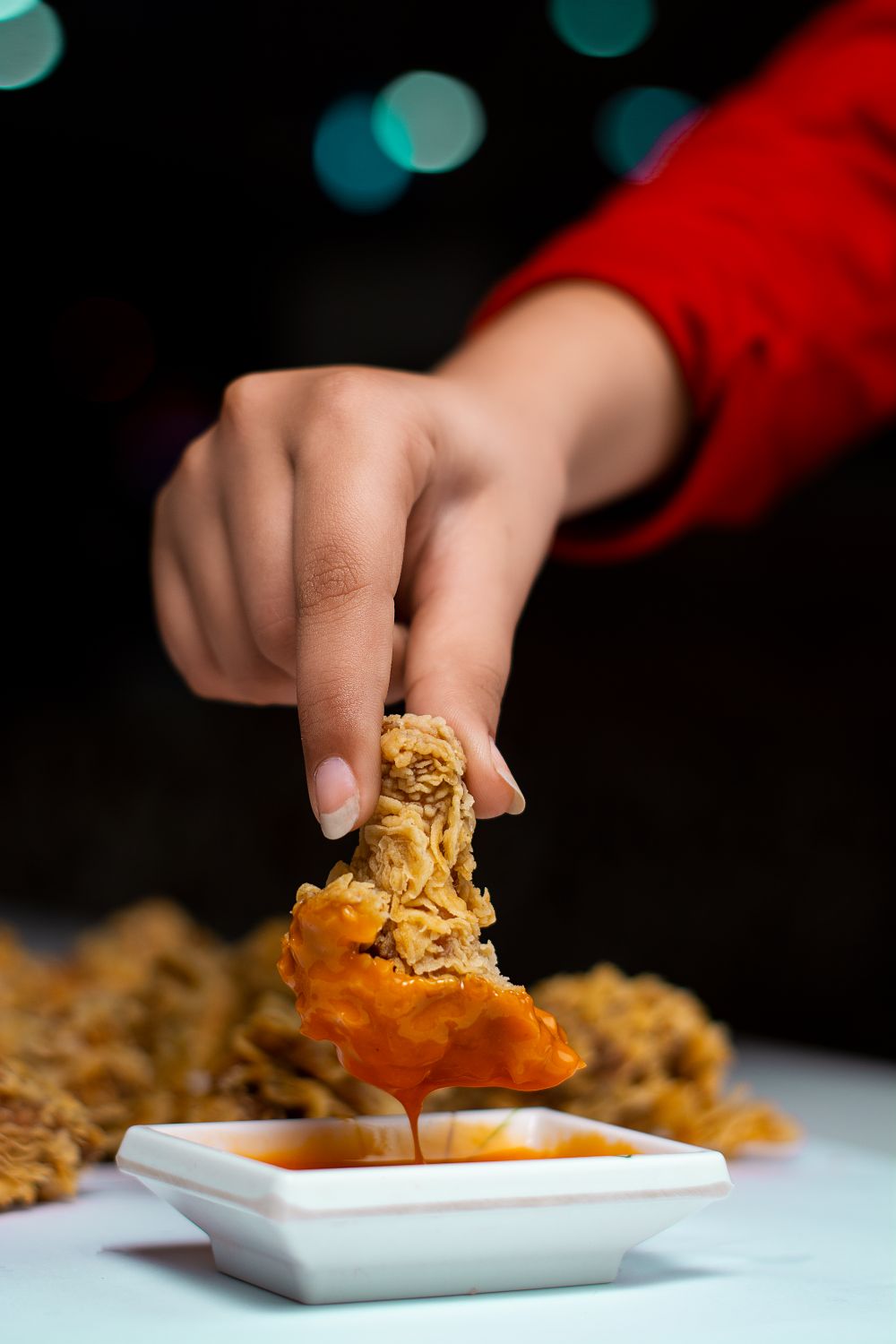
- Chicken Parmesan with a crisp crust and bubbling cheese. Bread chicken cutlets, pan-fry until golden, then finish them with tomato sauce and mozzarella under the broiler or in a hot oven. Keep the sauce mostly under and around the chicken rather than drowning the crust, so some crunch survives. Serve with spaghetti, a sharply dressed salad, or garlicky vegetables.
- Creamy garlic chicken with pan sauce. Sear seasoned chicken cutlets in a skillet, set them aside, then build flavor in the same pan with garlic, a splash of broth, and cream. The browned bits on the pan are not a mess; they are the foundation of the sauce. Finish with Parmesan, lemon, or herbs, then return the chicken to the skillet just long enough to warm through.
- Shrimp scampi with lemon, garlic, and pasta. This one looks restaurant-ready because it is fast, glossy, and bright. Cook shrimp briefly in butter and olive oil with garlic, then use white wine or broth, lemon juice, and pasta water to create a sauce that clings to linguine. The key is to avoid overcooking the shrimp while the sauce comes together.
- Crispy-skin salmon with lemony greens. Pat the salmon dry, season it, then cook it skin-side down in a hot skillet until the skin turns crisp. Pair it with sautéed spinach, roasted asparagus or green beans, and finish with lemon and a spoonful of herbed yogurt, pesto, or a quick butter sauce. The result is clean, elegant, and far easier than it looks.
- Mushroom risotto that tastes like a special occasion. Risotto earns its restaurant reputation because it is creamy without needing a heavy cream sauce. Toast the rice briefly, add warm broth gradually, and stir often enough to encourage its natural starches to create a silky texture. Finish with sautéed mushrooms, Parmesan, and butter, then serve it immediately while the rice is loose and glossy.
These dishes succeed because they rely on a few repeatable methods instead of complicated tricks. Crispy chicken benefits from dry breading and hot oil; creamy sauces benefit from scraping up browned bits; pasta sauces benefit from a splash of starchy cooking water. Once you have those habits down, a modest chicken breast or box of pasta can start feeling like serious dinner material.
Food safety deserves as much attention as presentation. The FDA says color and texture alone are unreliable indicators of whether meat, poultry, seafood, and egg products are safely cooked, and recommends using a food thermometer. Poultry should reach 165 degrees Fahrenheit, while fin fish should reach 145 degrees Fahrenheit or become opaque and separate easily with a fork.
Related: McDonald’s Plans $8.5 Billion Push to Modernize Restaurants Through 2036
Pasta, steak and comfort-food upgrades
- Steak frites without the reservation. A good steak dinner at home starts with a dry surface and a very hot pan. Pat the steak dry, season it generously, and let it sear without constantly moving it. Add butter, garlic, and herbs near the end if you like, then let the steak rest before slicing. Serve it with oven fries, a peppery arugula salad, and a simple pan sauce made with shallot, broth, or wine.
- Vodka pasta with restaurant-level shine. This comfort-food favorite centers on tomato paste, garlic or shallot, a little vodka, cream, Parmesan, and pasta water. The magic happens when you finish the sauce and pasta together in the skillet, so every tube or twist gets coated instead of merely topped. Add crushed red pepper for heat and basil for freshness, then serve it in warm bowls with more cheese.
- Baked mac and cheese with a crunchy topping. Take this beyond the basic stovetop version by making a smooth cheese sauce, folding in pasta and baking it until bubbling. A breadcrumb topping tossed with melted butter adds contrast and gives the dish a steakhouse side-dish feel. Sharp cheddar, Gruyère, Monterey Jack, or a combination works well, but shred the cheese yourself when possible for smoother melting.
- Crispy pork chops with apple-pan sauce. Pork chops become restaurant-worthy when they have a deeply browned exterior, a juicy middle, and a sauce that brings a little sweetness and acidity. After searing the chops, sauté sliced apples or shallots in the same pan, then add cider, broth or a splash of vinegar. Spoon the sauce over the rested chops, and serve with mashed potatoes or roasted sweet potatoes on the side.
- A towering burger with diner-level details. The home burger gets dramatically better when you focus on crust and balance. Use a hot skillet or griddle, press the patty only if you are making a smashburger, and season it just before cooking. Add cheese while the burger is hot, toast the bun, use a tangy sauce, and include a crisp element such as pickles, shredded lettuce, or thinly sliced onion.
The restaurant effect often comes down to contrast: crispy against creamy, rich against acidic, hot against cool. A steak needs a bright salad or sharp sauce. Mac and cheese benefits from a crunchy top. A burger becomes more memorable with pickles or onions that cut through the beef and cheese. You don’t need to pile on ingredients; each one needs a role.
For steak, pork chops, and other whole cuts of beef, pork, veal, or lamb, federal food-safety guidance calls for a minimum internal temperature of 145 degrees Fahrenheit followed by a three-minute rest. Ground meats should reach 160 degrees Fahrenheit. That rest is useful for more than safety: it also gives the meat’s juices time to redistribute, so they stay in the steak or chop instead of ending up all over the cutting board.
The small moves that sell the illusion
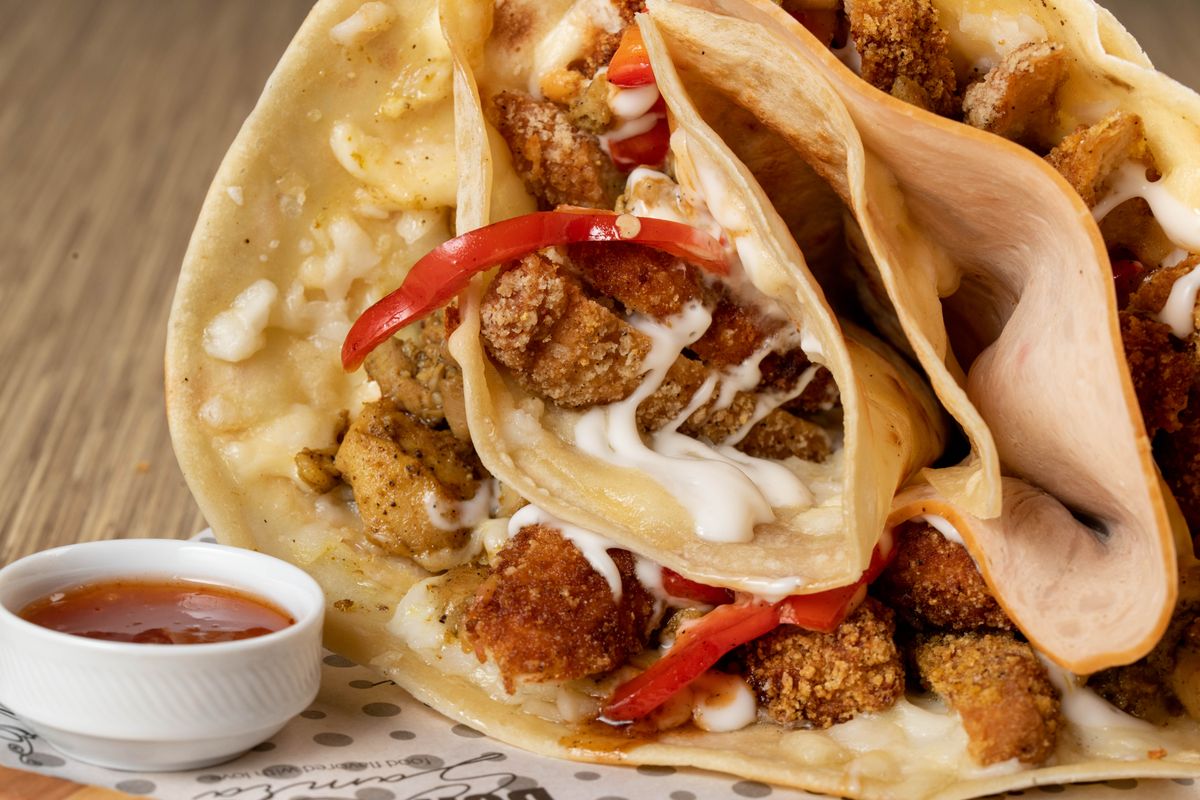
Start by treating your ingredients like they matter. Dry proteins before searing, preheat the pan instead of rushing them into lukewarm oil, salt in stages, and taste sauces before serving. These are not fussy chef rules; they are the difference between pale chicken in a thin sauce and a properly browned cutlet with a glossy finish.
Next, use one finishing touch. It could be lemon zest over pasta, chopped parsley over chicken, flaky salt on steak, Parmesan over risotto, or a drizzle of good olive oil over vegetables. A garnish should add flavor or texture, not simply sit there looking decorative. Even a small handful of herbs can make a familiar dinner feel livelier and more complete.
Finally, plate before the food loses momentum. Serve risotto right away, sauce pasta in the pan just before it goes into bowls, and do not let crispy food sit under a blanket of sauce for too long. Warm plates help if you have them, but a clean bowl, a deliberate spoonful of sauce, and a little height from stacked vegetables can go a long way.
The goal is not to convince anyone you secretly trained in a professional kitchen. It is to make dinner feel cared for, satisfying, and worth gathering around. The most effective restaurant-style meals aren’t the ones with the longest ingredient lists; they are the ones that lean on solid technique, good contrast, and the confidence to bring the skillet straight to the table.