5 Old-Fashioned Dinner Traditions Worth Bringing Back to Your Table
Somewhere between the family recipe box and the takeout app, a few good habits got quietly retired. Not because they stopped working. Just because life got faster than they did.
Dinner used to be an event with its own small rituals, built up over generations in American kitchens and dining rooms. Some of those rituals had real history behind them, born out of wartime conservation efforts, backyard harvests, and church basements. None of them require fancy equipment or a lot of extra time. They just require a little intention.
Here are five worth reviving.
The Weekly Sunday Supper
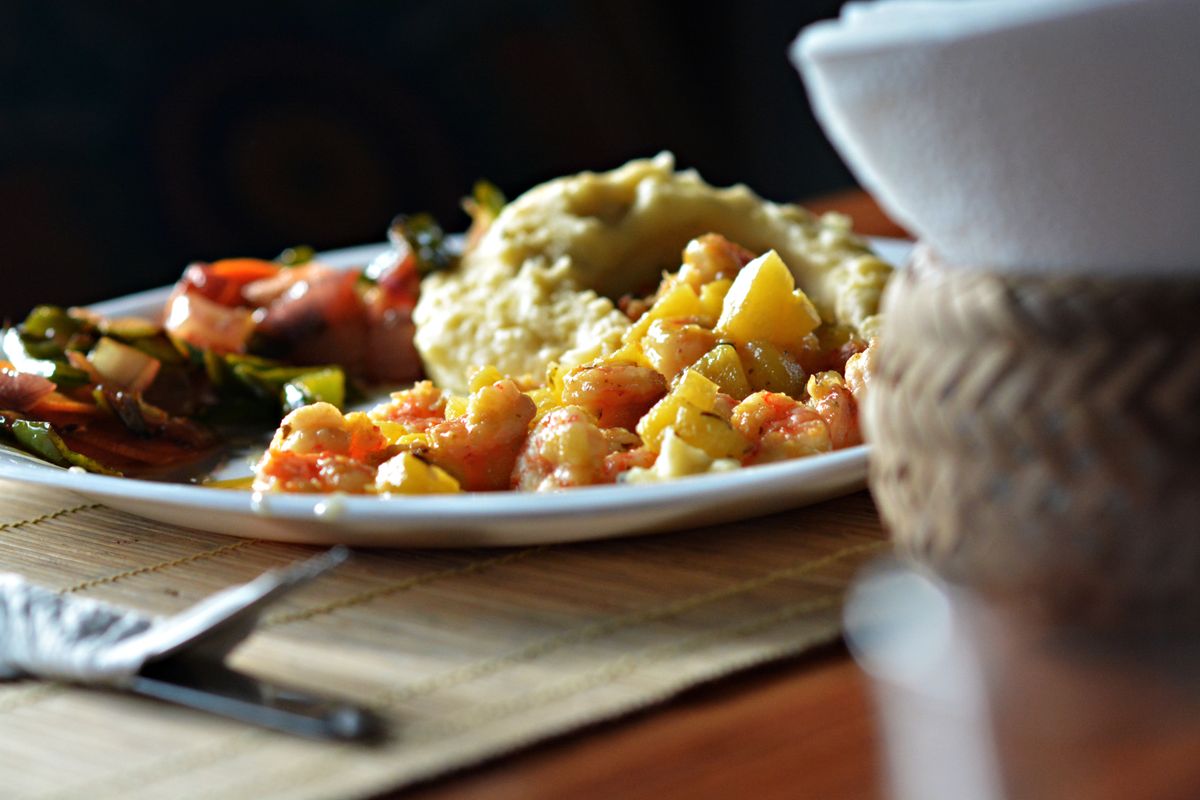
For much of the 20th century, Sunday dinner was the one meal families could count on. Extended relatives showed up. The good dishes came out. Nobody was rushing anywhere afterward because there was, famously, nowhere open.
That built-in slowness was the whole point. A weekly anchor meal gave families a reason to sit still together at least once, even during busy stretches. You don’t need a pot roast or a full table of relatives to bring this one back. Picking one night a week and quietly protecting it, no phones, no rushing through the meal, does most of the work.
Related: The Boomer Food Traditions That Still Bring People to the Table
Saying a Word of Thanks Before Eating
Whether it was a formal grace or just a quiet pause before the first bite, plenty of American households built a small moment of gratitude into the start of dinner. It didn’t need to be religious to matter. It just marked the transition from “getting through the day” to “actually being at the table.”
That pause is easy to skip when everyone’s already reaching for their fork. Bringing it back doesn’t require a script. A few seconds of quiet, or one sentence about something good that happened that day, does the job.
Meatless Monday, Long Before It Was a Trend
Meatless Monday feels like a fairly recent idea, but its roots go back over a century, and the original version wasn’t about personal health at all. It was about the war effort.
In 1917, President Woodrow Wilson asked Herbert Hoover to lead the newly formed U.S. Food Administration, tasked with reducing American consumption of meat, wheat, and dairy so more could be shipped to troops and allies overseas during World War I, according to Johns Hopkins Bloomberg School of Public Health’s Center for a Livable Future. Rather than impose strict rationing, the campaign relied on voluntary participation, and Hoover’s team specifically promoted a national “Meatless Tuesday” alongside a “Wheatless Wednesday” starting in October 1917. The campaign worked well enough that household food consumption dropped by roughly 15 percent between 1918 and 1919.
That history got revived decades later under a new name and a new motivation, but the original version is a genuinely interesting bit of American food history: an entire country voluntarily adjusting its dinner plate out of solidarity, not obligation. Building one plant-forward dinner into a weekly rotation, whatever day you choose, connects back to that same instinct: small, repeatable choices adding up over time.
Putting Up the Harvest
Before refrigeration was common in every home, canning was simply how families held onto a summer’s worth of tomatoes, peaches, and green beans through the winter. The tool that made modern home canning practical was the Mason jar, patented in 1858 by John Landis Mason, a tinsmith working in Vineland, New Jersey. Mason’s design used a screw-threaded glass jar with a matching metal lid and rubber seal, replacing older wax-sealed jars that were messy and prone to spoilage, as Smithsonian’s Air & Space Magazine detailed in its history of the invention. The design sparked a home-canning boom that lasted for generations, long before home freezers became standard kitchen equipment.
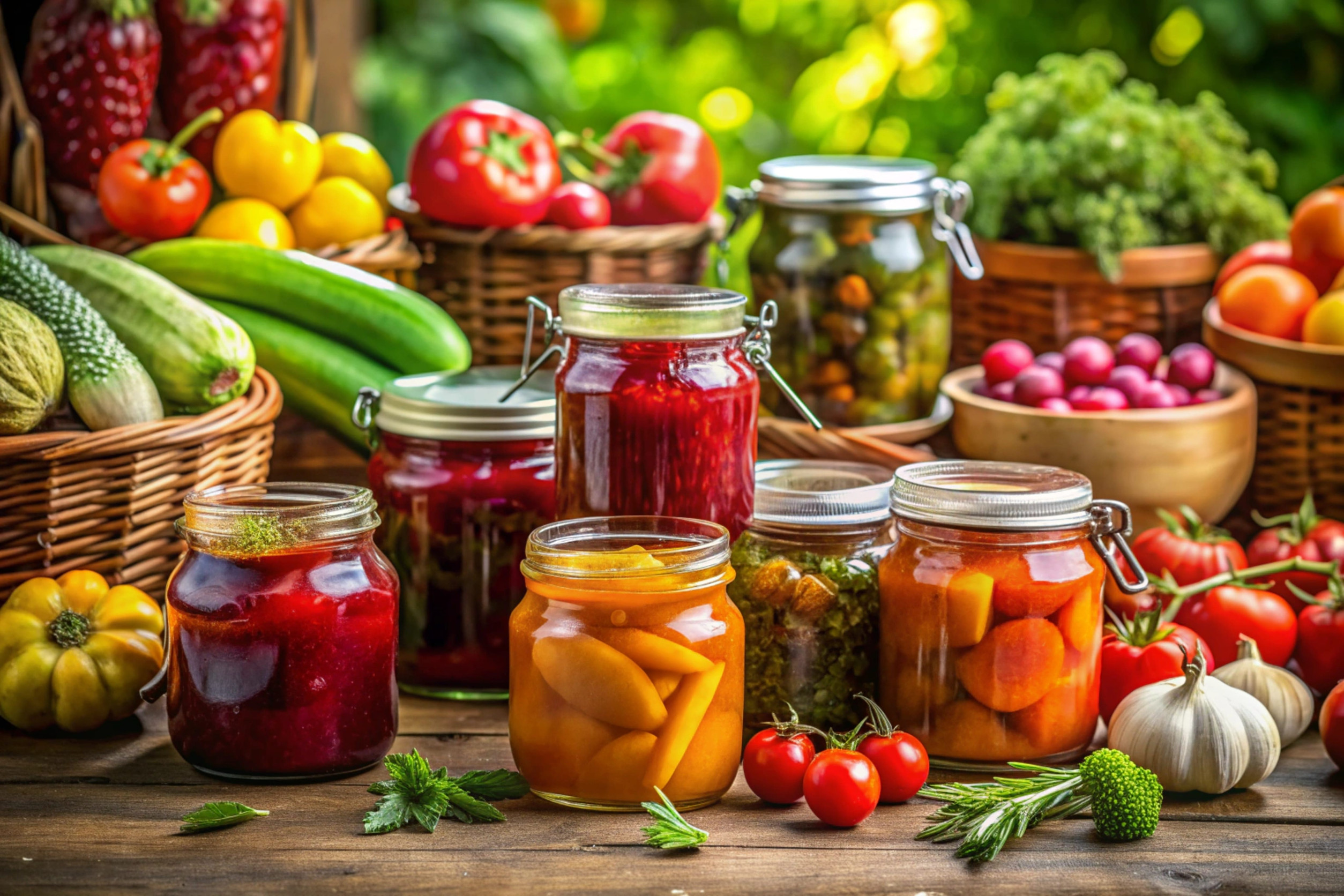
You don’t need a cellar full of jars to bring a version of this back. Even a single afternoon spent making a batch of jam or pickles with in-season produce connects to that same tradition, and it’s a genuinely useful skill to have on hand when a garden or farmers market produces more than you can eat right away.
The Potluck, or Covered-Dish Supper
Long before “bring a dish” became a group text instruction, the potluck had a real social function. According to Wikipedia’s entry on the tradition and the Oxford Companion to Food, the word itself dates back to 16th-century England, originally referring to whatever happened to be in the pot when an unexpected guest showed up. In North America, Protestant churches were early adopters of the modern version, using shared meals where everyone contributed a dish as a way to build community, split the cooking workload fairly, and raise funds, depending on the region. Names for it varied widely: a “basket meal” out West, a “covered dish supper” back East.
The genius of the format was that no single person had to cook the whole meal. That’s still true today, and it’s arguably more useful now than ever, when everyone’s schedule is different and nobody has time to host a full dinner party alone. Reviving the potluck, even for something as small as a monthly dinner with two or three other families, brings back both the shared effort and the shared table.
None of these traditions require going back in time completely. They just ask for a little more intention at a meal most of us already eat every day.