Malaysia’s Egg Industry Investigates Whether Haze Is Harming Chicken Productivity
Farmers report declining egg production as Malaysia’s poultry industry faces questions about whether recurring haze episodes and environmental stress are affecting chickens’ health and productivity.
Malaysia’s poultry industry faces growing concerns as some chicken farmers report declining egg production, raising questions about whether the country’s recurring haze could be contributing to the problem.
Eggs are a major part of Malaysian diets, appearing in everyday meals from breakfast dishes to popular street foods. Any disruption to egg supply can quickly affect consumers, businesses, and farmers. While several factors can influence egg production, including feed costs, disease, weather conditions, and farm management, the possible impact of haze has attracted attention.
Seasonal haze affecting parts of Southeast Asia is known to reduce air quality, raising concerns about human health. Experts and farmers are now examining whether similar environmental stress could affect poultry, particularly laying hens that require stable conditions to maintain high egg production.
Understanding the Link Between Haze and Egg Production
Haze occurs when tiny particles from smoke, pollution, and other sources accumulate in the atmosphere, reducing air quality and visibility. In Malaysia, haze episodes are often linked to regional factors such as forest and peatland fires in neighboring areas, combined with weather conditions that trap pollutants.
For chickens, air quality is an important part of maintaining good health. Poultry farms are designed to control temperature, ventilation, humidity, and air circulation. When environmental conditions become unfavorable, birds can experience stress.
Heat stress, poor air quality, and changes in their surroundings may affect chickens’ behavior, appetite, and overall performance. Since egg production depends on a delicate balance of nutrition, health, and environmental stability, any disruption can potentially reduce output.
However, determining whether haze alone causes lower egg production is difficult. Farmers and agricultural experts say multiple factors usually interact.
How Environmental Stress Affects Laying Hens
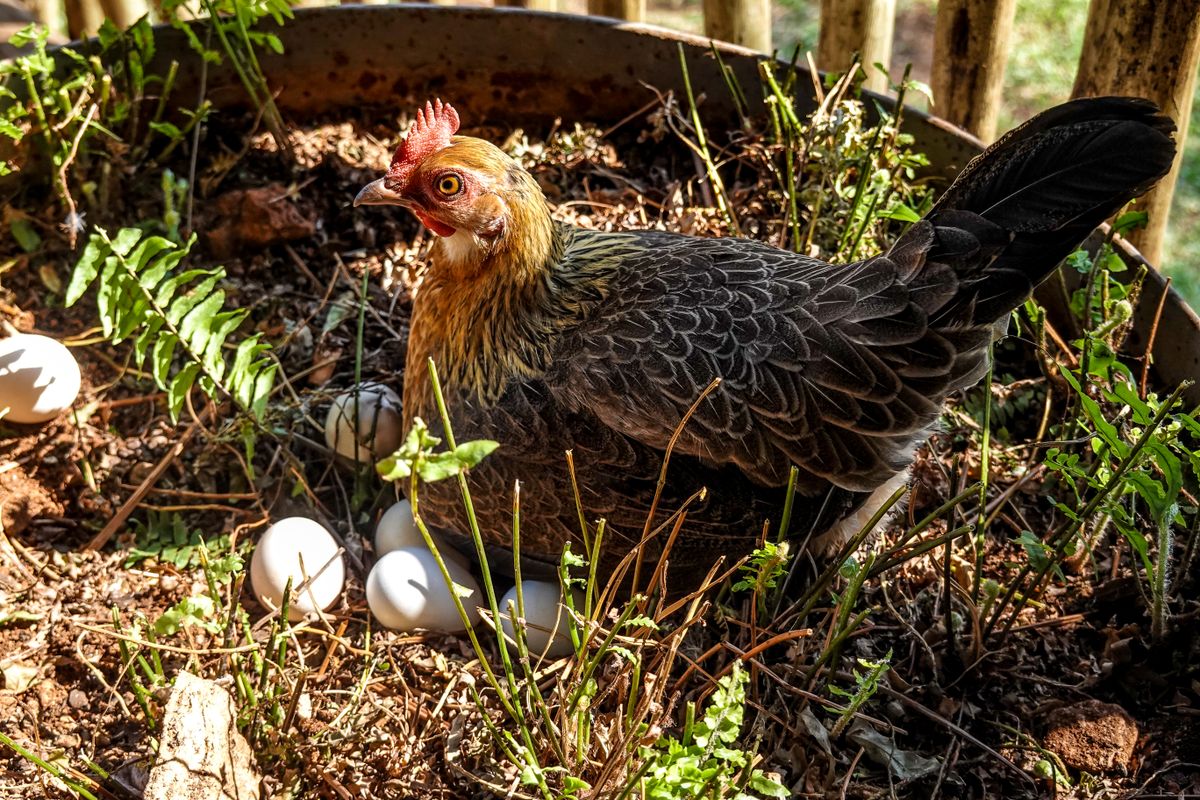
Laying hens are highly sensitive to environmental changes. Unlike some animals that can adapt quickly to difficult conditions, chickens depend heavily on consistent surroundings.
When birds experience stress, their bodies may redirect energy away from egg production toward survival and recovery. Stress can influence hormone levels, reduce feed intake, and affect egg quality.
Poor air quality may also create respiratory challenges. Chickens have a sensitive respiratory system, and exposure to airborne particles can increase the risk of breathing difficulties, especially in poorly ventilated housing systems.
During haze periods, farmers may need to adjust ventilation systems, monitor bird behavior, and take additional steps to maintain comfortable conditions.
Farmers Observe Changes During Haze Periods
Some Malaysian poultry farmers have reported noticing lower egg production during periods of severe haze. They say chickens may eat less, become less active, or experience stress when temperatures rise and air quality declines.
Egg production is closely connected to feed consumption. If hens consume less feed, they may get fewer nutrients needed to produce eggs consistently.
Farmers also point out that haze often arrives alongside hot and humid weather, which can create additional challenges. Malaysia’s tropical climate already requires careful temperature management on poultry farms, and extreme weather conditions can increase pressure on birds.
For many farmers, the issue is not only the haze itself but the combination of heat, humidity, and reduced air quality.
Other Factors Behind Lower Egg Production
While haze has become a topic of discussion, experts note that egg production can decline for many reasons.
One major factor is feed quality and availability. Chicken feed is a major cost for poultry farmers, and changes in ingredient prices can affect operations. Nutrition plays a critical role in egg size, quantity, and quality.
Disease prevention is another important consideration. Poultry farms must constantly manage infection risks that can affect bird health and productivity.
The age of laying hens also influences egg output. Young hens typically increase production as they mature, while older birds naturally produce fewer eggs.
Farm management practices, including lighting schedules, ventilation, and stocking density, can also affect results.
Because of these factors, scientists and industry officials often caution against blaming one environmental issue without examining the full picture.
The Importance of Air Quality Management
Modern poultry farms use various methods to protect chickens from environmental stress. Good ventilation systems help remove heat, moisture, and airborne particles from poultry houses.
During haze events, farmers may increase monitoring of air conditions and adjust farm operations to reduce stress on birds.
Some farms use air filtration systems or improved ventilation technology, although these solutions can be expensive, especially for smaller producers.
Maintaining clean water supplies is also important because birds may drink more during hot conditions. Farmers often monitor feed intake, behavior, and egg output to identify problems early.
Malaysia’s Egg Supply Challenges
Malaysia’s egg industry has faced pressure in recent years due to rising production costs, supply concerns, and changing market conditions.
Eggs are considered an essential food item for many households because they are affordable and widely used. Any reduction in local production can influence prices and availability.
When farmers face lower output, they may face financial challenges from reduced income while still carrying costs for feed, labor, electricity, and farm maintenance.
For consumers, changes in egg supply can lead to concerns about prices and access.
The situation has encouraged discussions about strengthening agricultural resilience and improving support for food producers.
What Experts Need to Study Further
Although haze exposure may be linked to reduced egg production, experts say more research is needed to measure the exact impact.
Scientific studies would need to examine factors such as pollutant levels, exposure duration, chicken health indicators, and changes in production over time.
Different farms may experience different effects depending on location, building design, ventilation systems, and management practices.
A well-controlled study could help determine whether haze directly affects egg production or whether its effects are mainly linked to related conditions such as heat stress.
Preparing for Future Environmental Challenges
Climate and environmental changes are creating new challenges for agriculture worldwide. Farmers are increasingly looking for ways to adapt to unpredictable weather, rising temperatures, and changing environmental conditions.
For Malaysia’s poultry sector, improving farm technology, strengthening disease prevention, and investing in better climate control systems could help protect production.
Consumers may not always see the challenges behind everyday products like eggs, but farmers must carefully manage many factors to maintain a stable supply.
Final Thoughts
The decline in egg production reported by some Malaysian chicken farmers has raised important questions about the role of haze and environmental stress. While poor air quality may contribute to stress in laying hens, it is likely one part of a larger combination of challenges facing poultry producers.
Feed costs, farm conditions, weather patterns, and bird health all play significant roles in determining egg output.