Make Crispy Fish Tacos at Home Without Deep-Frying Anything
Crispy fish tacos don’t require a pot of sputtering oil, a lingering fried-food smell, or a kitchen cleanup that feels bigger than dinner itself. A smart oven-baked panko coating can give mild white fish the golden, crunchy exterior taco fans want, while leaving room for cool slaw, warm tortillas, lime, and a creamy, spicy sauce.
The key is not pretending baked fish is deep-fried fish. It’s about building texture intentionally: toast the panko first, season it confidently, arrange the fish with space around each piece, and cook it until the crust is golden and the fish is safely done. The payoff is a taco-night shortcut that still feels like a proper meal, not a compromise.
The Trick Is Toasting the Breadcrumbs First
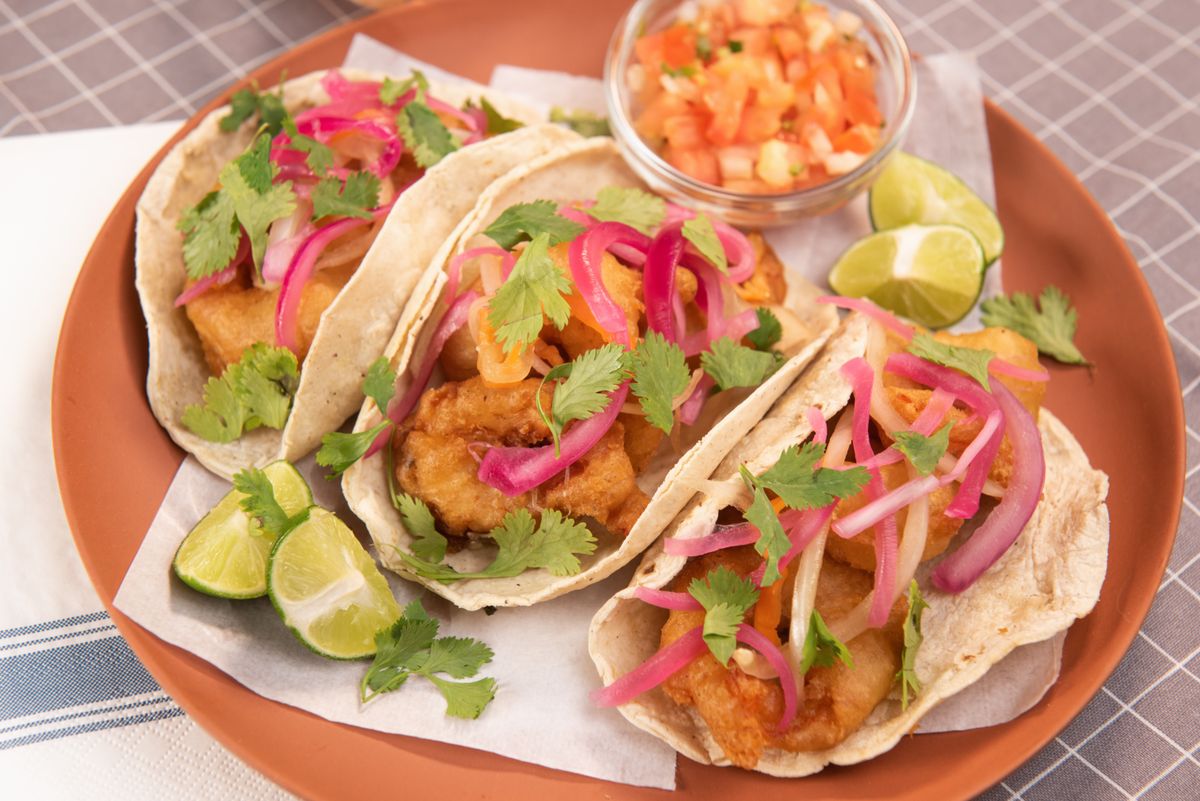
Panko does most of the heavy lifting here. The Japanese-style breadcrumbs are naturally flaky and airy, which makes them particularly useful when the goal is a crisp exterior without submerging fish in hot oil. But for a truly crunchy baked taco, the breadcrumbs should get a head start in the oven before they ever touch the fish.
One tested baked-fish-taco method calls for spreading panko over a baking sheet and toasting it for five to eight minutes, shaking the pan partway through, until the crumbs are golden. Then coat the fish and bake, giving the finished crust a deeper color and crunch than raw breadcrumbs.
That extra step is refreshingly low-drama. Toast the panko, then combine it with seasonings such as chili powder, garlic powder, cumin, and salt. The seasonings belong in the coating rather than being saved only for a sauce, because every bite of fish needs flavor before it meets the tortilla.
Stephanie Mormina, who published a recipe for extra-crispy baked fish tacos, puts it plainly: “The secret to the extra crispiness is the toasted panko (Japanese breadcrumbs), so don’t skip that step!” Her method has cooks toast the crumbs at 375 degrees Fahrenheit before coating the fish and baking it.
Build Crunch With an Oven, Not a Fryer
For the fish itself, firm white varieties such as cod, tilapia or flounder are all workable choices for tacos. Food Network chef Geoffrey Zakarian uses flounder, cod or tilapia for an unfussy sheet-pan approach, seasoning the fish before baking it at 400 degrees Fahrenheit for 12 to 15 minutes, until cooked through.
If you are chasing a crunchy coating rather than simply flaky baked fish, cut the fillets into taco-friendly strips or chunks. Set up a simple breading station with beaten egg in one shallow bowl and toasted, seasoned panko in another. Coat the fish in egg, let any excess drip away, and press it into the crumbs so they adhere across the surface.
Place the coated fish on a parchment-lined baking sheet, leaving room between the pieces. That detail is more important than it sounds: crowding traps steam, and steam is the enemy of crunch. A light spray or brush of oil over the exterior helps the coating brown and crisp in the oven without turning this into a deep-frying project.
A recipe from Thai Caliente recommends lightly spraying the breaded fish with cooking oil and baking it for about 10 minutes, with an optional brief finish under the broiler for added crispness. The site notes that the fish should no longer be opaque, and cooks should use the broiler carefully because a browned coating can darken quickly.
The most reliable way to settle the “is it done?” question is a thermometer. The U.S. Department of Agriculture lists 145 degrees Fahrenheit, or 62.8 degrees Celsius, as the safe minimum internal temperature for fish and shellfish. FoodSafety.gov also says fish is done at 145 degrees Fahrenheit or when the flesh is no longer translucent and separates easily with a fork.
Related: New York Just Got a Seafood Bar With Shrimp in Almost Every Form You Can Imagine
Let the Toppings Do Their Job
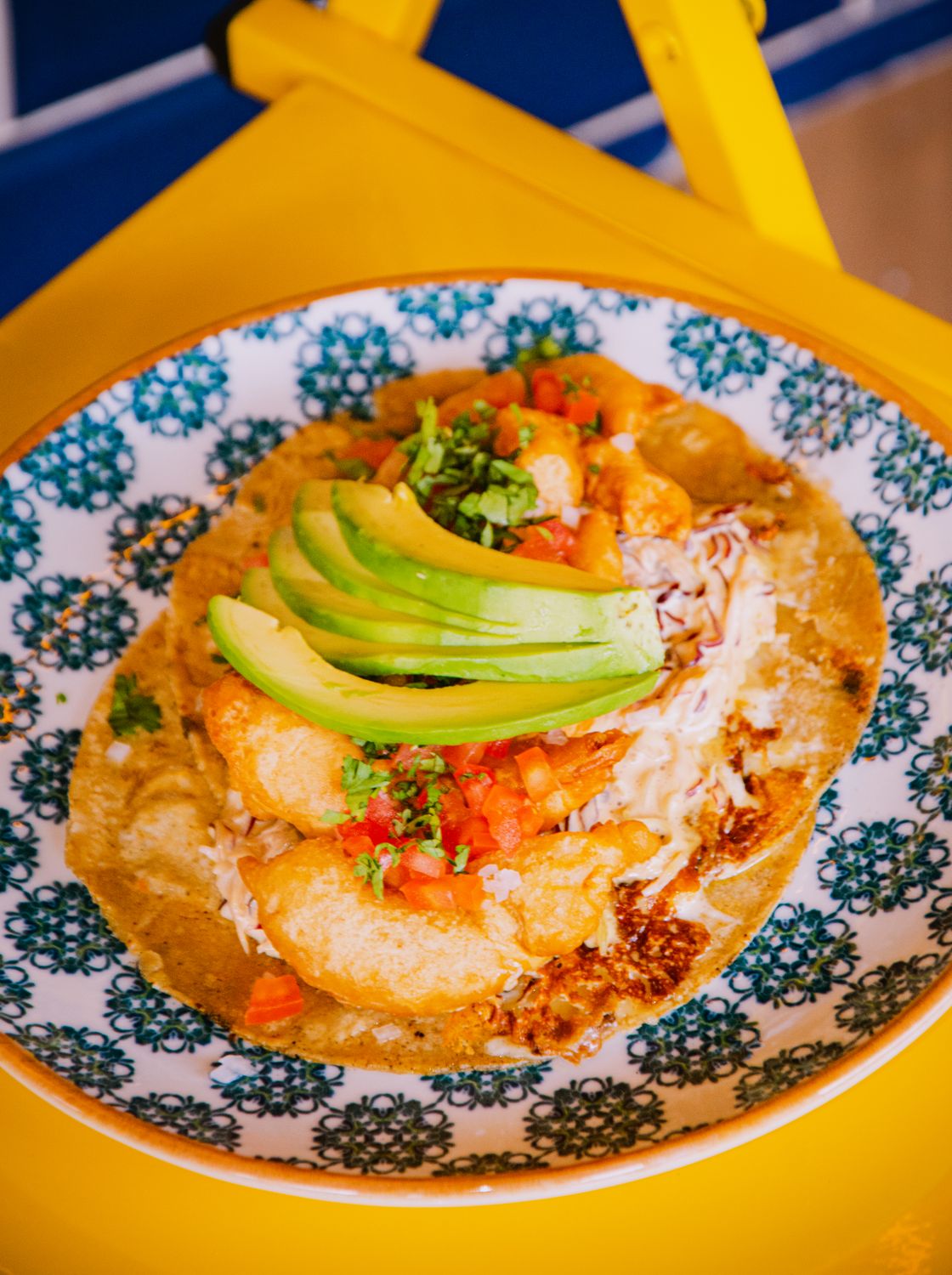
The crispy fish is only half the taco. The other half is contrast: something cool, something tangy, something creamy, and something bright enough to keep the meal from becoming heavy. A cabbage-based slaw gives the taco snap, while lime juice, cilantro, avocado, and hot sauce can each bring a different dimension without overwhelming the fish.
For a straightforward slaw, toss shredded cabbage with lime juice, cilantro and a creamy element such as mayonnaise, sour cream or yogurt. If you enjoy heat, turn part of that creamy mixture into a taco sauce with chipotle in adobo, hot sauce or gochujang. Nigella Lawson’s fish taco recipe pairs roasted fish with lime-pickled red onion, corn relish and a mayonnaise-and-gochujang sauce, proving that a baked taco can still bring serious flavor.
Warm tortillas matter, too. Bon Appétit recommends charring tortillas directly over a gas burner when possible. Still, its fish taco guidance also offers an easy alternative: wrap a stack in foil and warm them in a 350-degree oven. That small bit of heat makes tortillas more flexible and fragrant, so they hold the fish and toppings instead of cracking under pressure.
The final assembly is simple: fill a warm tortilla with slaw, add the crisp fish, then finish with avocado, cilantro, hot sauce, and a squeeze of lime. It is a dinner that lands somewhere between casual weeknight cooking and the kind of taco plate people order out, except there is no deep fryer to scrub afterward.
A reliable at-home game plan
Toast panko until golden, season it, coat fish in egg and crumbs, and bake the pieces on a spacious sheet pan with a light coating of oil. Cook the fish to 145 degrees Fahrenheit, warm the tortillas, and build each taco immediately so the crunchy coating meets the cool slaw at its best.
Deep frying will always have its place, but it is not the only route to a satisfying fish taco. With toasted panko, a hot oven, and toppings that bring acidity and crunch, the crispy taco night you want is already within reach, and your stovetop will be considerably less greasy.