7 Meals That Can Leave Your Kitchen Smelling for Hours
Some dinners vanish from the plate so quickly that the only evidence left is an empty pan and a few crumbs. Then there are the meals that leave behind a little “encore” in the kitchen.
The aroma may linger around long after the last bite, drifting through the house and reminding everyone what was cooked earlier. From sizzling garlic to slow-simmered greens, certain ingredients and cooking methods naturally create stronger kitchen scents.
These seven familiar meals are delicious examples of how a memorable dinner can sometimes make its presence known well after mealtime is over.
Pan-Fried Fish With Garlic
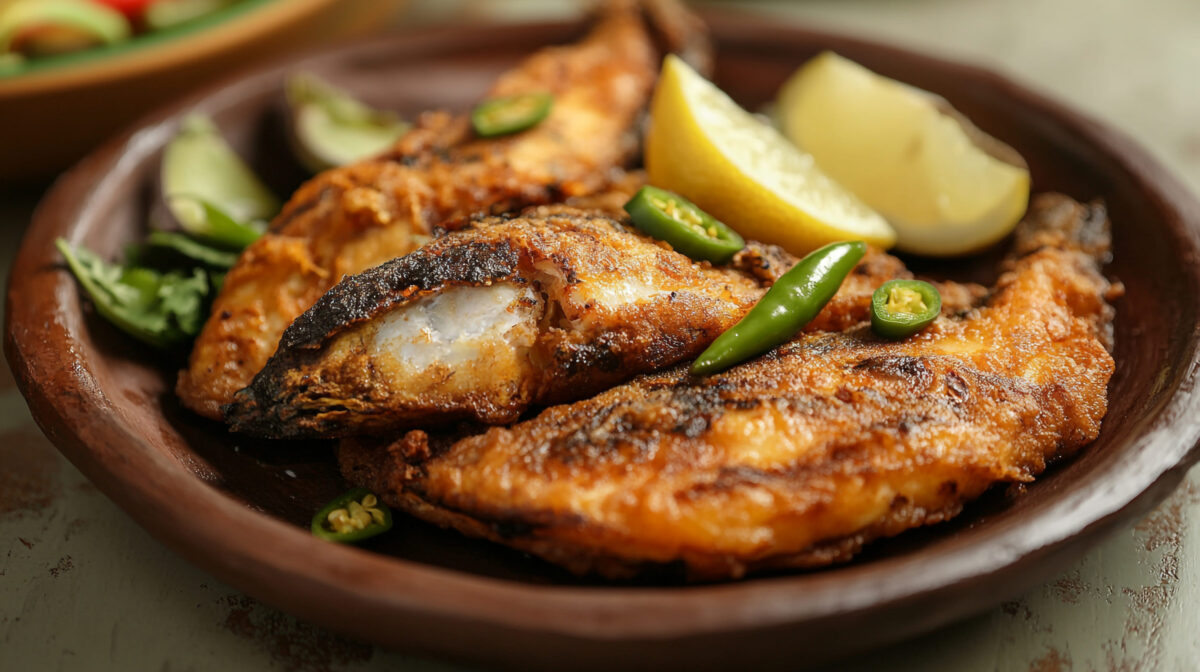
Few cooking combinations announce themselves quite like fish meeting hot oil, especially when garlic joins the pan. The aroma can quickly spread beyond the stovetop, creating the kind of kitchen moment where everyone knows something is being cooked before they even see the meal.
Fish aromas are linked with volatile nitrogen compounds, including trimethylamine, while garlic brings sulfur-containing compounds created after it is chopped or crushed. When both ingredients cook together in hot oil, they create plenty of airborne aroma that can hang around after dinner.
That does not mean the smell is unwelcome. For many home cooks, the scent of garlic and fish cooking is simply part of the experience. The meal may be finished, but the kitchen may still have a reminder of what was served.
Slow-Cooked Cabbage and Ham
A pot of cabbage and ham simmering away has a way of becoming the main character in the kitchen. The slow cooking process gives the meal time to develop its familiar aroma, and the scent can travel well beyond the pot itself.
Cabbage contains sulfur-containing compounds that can break down during cooking and contribute to its characteristic cooked-cabbage smell. University of Illinois Extension notes that longer cooking makes cabbage’s odor more pronounced, which explains why a simmering pot can seem to introduce itself to the entire home.
For fans of this classic combination, that smell is part of the comfort of the dish. It is a reminder that something hearty has been cooking away, even after the stove has been turned off.
Related: Why More Americans Are Swapping Takeout Runs for Homemade Midday Meals
Garlic-Heavy Pasta or Garlic-Butter Shrimp
Garlic has a reputation for being small but mighty. A few cloves can transform a dish, and they can also transform the atmosphere of a kitchen.
When garlic is chopped or crushed, it produces allicin, which can break down into several odor-active compounds. One of those compounds, allyl methyl sulfide, is associated with the familiar persistence of garlic aroma. Texas A&M AgriLife explains that crushing garlic releases allicin, which then breaks down into several smell-producing compounds.
In dishes like garlic pasta or garlic-butter shrimp, the combination of warm butter or oil and freshly prepared garlic creates a powerful cooking scent. The result is a meal that may disappear quickly at the table while leaving a noticeable aroma behind in the kitchen.
Deep-Fried Chicken, Fries, or Doughnuts
There is a reason the smell of frying food can feel impossible to ignore. Whether it is chicken, fries, or doughnuts, hot oil and high heat create a very recognizable kitchen aroma.
During deep frying, cooking oil can produce volatile compounds as it changes with heat, including aldehydes, ketones, alcohols, and hydrocarbons. Research on fried foods has also identified many aroma compounds that contribute to their distinctive smell. A review of cooking methods found that oil-based cooking can produce substantial airborne particles and volatile organic compounds.
The result is a classic fried-food scent that can make a kitchen feel like a diner for a while. It is the aroma of hot oil, browned food, and a meal being made from scratch.
Onion-and-Garlic Curry
A curry simmering on the stove has a way of making the whole kitchen feel involved. The aroma often arrives in stages: onions cooking down, garlic warming in oil, and spices releasing their fragrance.
Onions and garlic both contribute sulfur-containing aroma compounds, while curry ingredients add their own collection of noticeable scents. Some curry leaves, for example, contain strongly odor-active compounds with sulfury and burnt notes. Toasting spices and aromatics in oil helps bring those aromas forward during cooking.
The result is a rich, recognizable kitchen smell that many people associate with favorite meals and family recipes. It is a reminder that some dishes are experienced with more than just taste.
Related: 8 Fast-Food Meals You Should Avoid At All Cost
Bacon-and-Eggs Breakfast
Sometimes the kitchen gives away breakfast before anyone has made it to the table. Bacon cooking in a pan has a familiar aroma that can travel quickly through a home, creating the feeling that the day has officially started.
Heating meat and fat creates many volatile aroma compounds through processes involving browning reactions and fat breakdown. Research on meat flavor identifies compounds such as aldehydes, ketones, pyrazines, sulfur compounds, and others that contribute to cooked-meat aromas.
With bacon, especially smoked varieties, the combination of smoke and fat creates a particularly noticeable scent. It is the kind of breakfast aroma that can linger as a pleasant reminder that something was cooking earlier.
Collard Greens With Smoked Meat
Collard greens with smoked meat are a familiar comfort-food combination, and their cooking aroma is just as recognizable as the dish itself. A pot simmering on the stove can fill the kitchen with a scent that signals a meal with tradition behind it.
Collard greens are cruciferous vegetables that contain naturally occurring sulfur-containing compounds. Oregon State University’s Linus Pauling Institute explains that cruciferous vegetables are rich in sulfur-containing glucosinolates, which can contribute to their strong and distinctive aroma once cooked.
That smell is part of the character of the dish. Like other meals on this list, the aroma can stay noticeable after cooking is done, creating a little kitchen memory of what was prepared.
Some meals are gone the moment the plates are cleared. Others leave behind an aroma encore. Whether it comes from garlic, spices, frying oil, or slow-cooked greens, these familiar dishes prove that a good meal can sometimes make an impression twice: once at the table and again in the kitchen afterward.