6 Mistakes That Leave Homemade Pancakes Dense Instead of Fluffy
Light, tender pancakes depend on more than simply combining ingredients and pouring batter into a pan. Small details in mixing, measuring, leavening, batter consistency, and cooking technique can all influence the finished stack.
One mistake might leave pancakes flatter or chewier, while another can affect how they spread, rise, brown, or cook through. The key is knowing which part of the process may be working against the result you want.
If your homemade pancakes have been disappointing, these six common mistakes are worth checking.
Overmixing the Batter
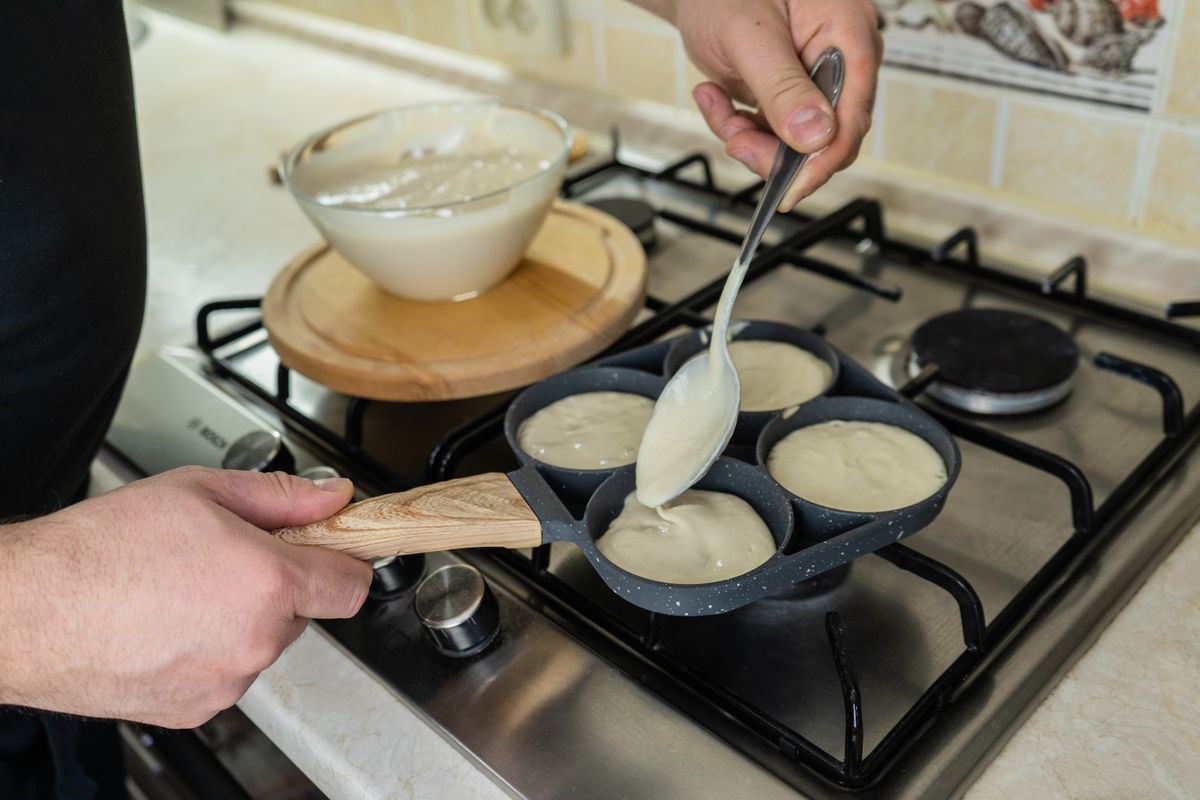
A perfectly smooth pancake batter may look appealing, but getting rid of every last lump can mean stirring longer than necessary.
The goal is to mix until the ingredients are combined and no dry flour remains. A few small lumps are fine. Continuing to stir beyond that point develops more gluten and can also knock air out of the batter.
In a King Arthur Baking comparison, pancakes made from vigorously mixed batter turned out flatter and chewier than those mixed more gently. That combination of reduced height and extra chew works against the lighter texture most people expect from a good pancake.
The fix is simple: stir gently and stop once the dry ingredients are incorporated. There is no need to keep mixing until the batter looks completely smooth.
Using Ineffective Leavening Agents
Baking powder, along with baking soda in recipes that call for it, provides rising action that helps pancakes gain lift. If those leaveners are no longer reacting effectively, the batter may not rise as much as intended.
That does not mean weak leavening is the only possible reason pancakes come out flat, but it is one factor worth checking.
You can test baking powder by stirring 1/2 teaspoon baking powder into 2 tablespoons warm water. It should bubble and foam.
For baking soda, stir 1/2 teaspoon baking soda into 1 tablespoon vinegar. You should see a prompt, vigorous fizz. King Arthur Baking provides instructions for testing both leaveners.
If either reaction is weak, replace the leavener before your next batch. Effective leavening gives the recipe the rising action it was designed to have.
Related: 8 Breakfast Swaps That Can Help You Lose Weight
Measuring Flour Incorrectly
Scooping or packing flour too densely into a measuring cup can add considerably more flour than the recipe intends.
King Arthur Baking notes in its flour-measuring guide that a densely filled cup of all-purpose flour can weigh about 160 grams, compared with roughly 120 grams when measured using its recommended method. That difference changes the balance between flour and liquid.
Extra flour can make the batter thicker than intended, which may affect how the pancakes spread and rise. It does not mean every batch with too much flour will automatically become dense, but inaccurate measuring can noticeably alter the batter.
When a recipe gives flour by weight, use that measurement. Otherwise, fluff the flour, spoon it into the measuring cup, and level the top without packing the flour down.
Getting the Batter Consistency Wrong
There is no single batter thickness that works for every pancake recipe. The balance between flour and liquid influences both spreading and height. A runnier batter generally makes thinner pancakes, while a thicker batter can produce thicker pancakes when the recipe and cooking method are designed for it.
That distinction matters because thick batter is not automatically a problem. Some recipes intentionally use thick batter to make thick, fluffy pancakes.
Trouble can arise when the consistency does not match what the recipe expects. If batter is too runny, it may spread more than intended. If it is so thick that it is difficult to portion or spread properly, the center may require more time to cook through.
Start with a tested recipe and measure its ingredients accurately. Judge the batter against that recipe rather than trying to meet a universal idea of “perfect” pancake batter. Make small flour or liquid adjustments only when the recipe allows them or when the consistency is clearly off.
Related: 7 American Foods Only Locals Know About
Pressing Down on Pancakes While Cooking
Once a pancake is on the pan, resist the urge to flatten it with your spatula. Pressing down compresses the pancake rather than allowing it to remain puffed. The pressure can also force out air pockets that contribute to a lighter finished texture.
Instead, flip gently when the underside is golden, and the top shows broken bubbles. Once the pancake has been flipped, leave it alone to finish cooking rather than pushing it against the cooking surface.
This mistake happens after the batter is already made, so it is not an explanation for every disappointing batch. Still, gentle handling helps preserve the height the pancake has developed.
Using the Wrong Pan Temperature
The cooking surface matters because pancakes need enough time for the center to cook while the outside develops the intended browning.
If the pan is too hot, the exterior can color quickly while the center remains undercooked. If the heat is too low, getting the intended browning and cooking timing can become more difficult.
There is no single pan temperature that is right for every pancake. The useful heat level depends partly on the pan and on how thick the pancakes are.
Preheat your skillet or griddle, then cook one small test pancake. If it colors too quickly or too slowly, adjust the heat before cooking the rest. When using an electric griddle, follow the setting provided by the recipe instead of assuming one temperature works for every batch.
Better pancakes often come from a handful of small adjustments rather than one dramatic change. Mix gently, measure flour accurately, make sure your leaveners are working, follow the recipe’s intended batter consistency, handle the pancakes gently, and pay attention to cooking heat. Those details can help you get closer to the texture, height, and doneness your recipe is designed to produce.