10 Myths About Fast Food Restaurants You Can Stop Believing
Fast food has been part of everyday life for decades, but it has also attracted plenty of rumors, exaggerations, and oversimplifications. Some criticisms have a legitimate basis. Research shows that frequent fast-food consumption can be associated with higher intakes of calories, sodium, fat, and added sugars. However, that does not make every popular claim about fast food accurate.
Menus, ingredients, preparation methods, and nutrition standards vary significantly between restaurants. Here are 10 common fast-food myths that deserve a closer look.
All Fast Food Is Unhealthy
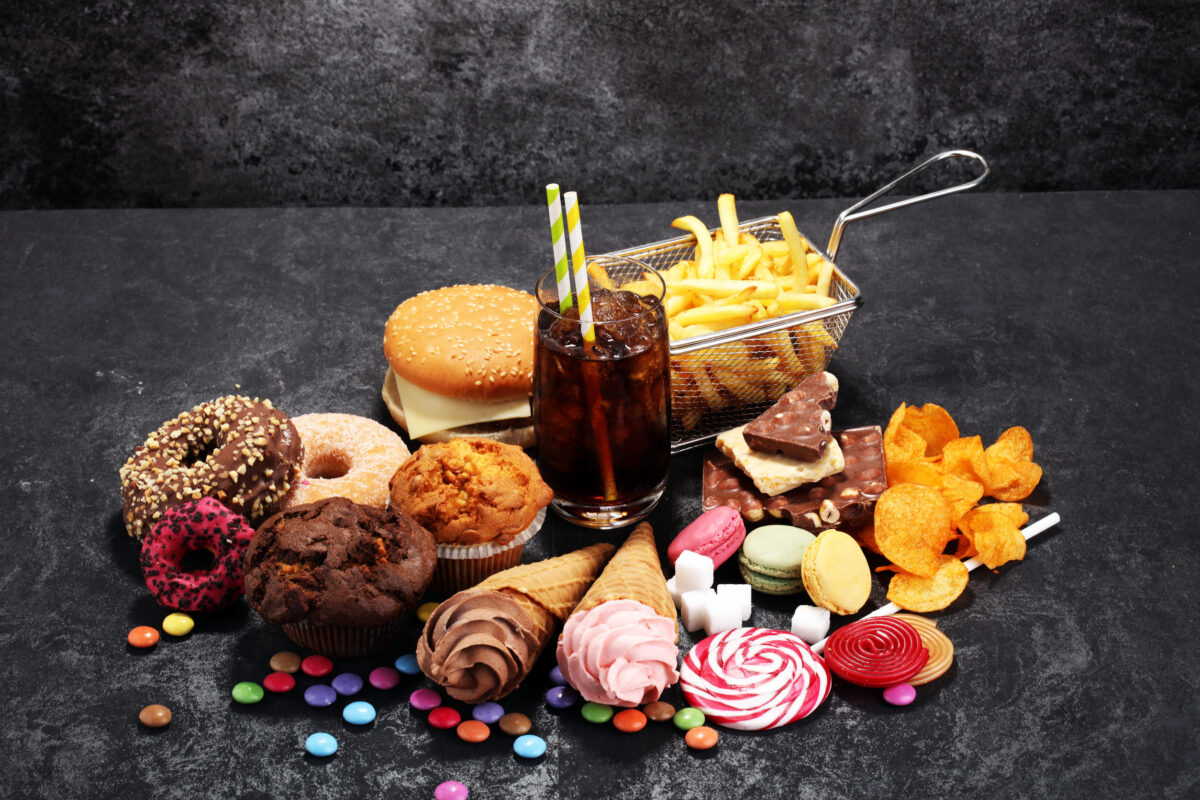
Calling every fast-food item unhealthy is too broad.
The nutritional quality of fast food varies enormously depending on what you order, the portion size, the cooking method, and the sides and drinks that accompany it. A meal built around grilled protein, vegetables, beans, or fruit differs nutritionally from a large fried meal served with fries and a sugary beverage.
Grilled, steamed, roasted, or broiled foods are often lower in calories than foods that are fried, battered, creamy, or heavily breaded.
Fast food as a category therefore cannot be judged by a single menu item. What matters more is the specific meal, its ingredients, and how often it forms part of a person’s overall diet.
A Salad Is Always the Healthiest Choice
Seeing the word “salad” on a menu does not automatically make something the lowest-calorie or lowest-sodium option.
Cheese, bacon, fried chicken, croutons, creamy dressings, and large quantities of dressing can substantially change a salad’s nutritional profile. The same principle applies to grain bowls and wraps.
That does not mean restaurant salads are unhealthy. It simply means the full ingredient list matters more than the dish name.
Choosing grilled toppings instead of fried ones and asking for dressing on the side can give customers more control over calories, sodium, and fat.
Everything at Fast-Food Restaurants Arrives Frozen
Frozen ingredients are common in fast food because freezing can simplify transportation, storage, food safety, and consistency. However, the claim that everything served at fast-food restaurants is frozen is false.
McDonald’s provides one example. In most restaurants in the contiguous United States, Quarter Pounder burgers are made with fresh beef that is cooked to order. Its Egg McMuffin also uses an egg that the restaurant cracks and cooks.
Other products, including some types of burger patties or breakfast ingredients, may arrive frozen or precooked.
Preparation practices therefore vary not only between different restaurant chains but also between products sold by the same restaurant.
Related article: 8-cheap-fast-food-meals-that-could-be-costing-you-more-than-you-think/
Fast-Food Burgers Are Made From Mysterious Meat Fillers
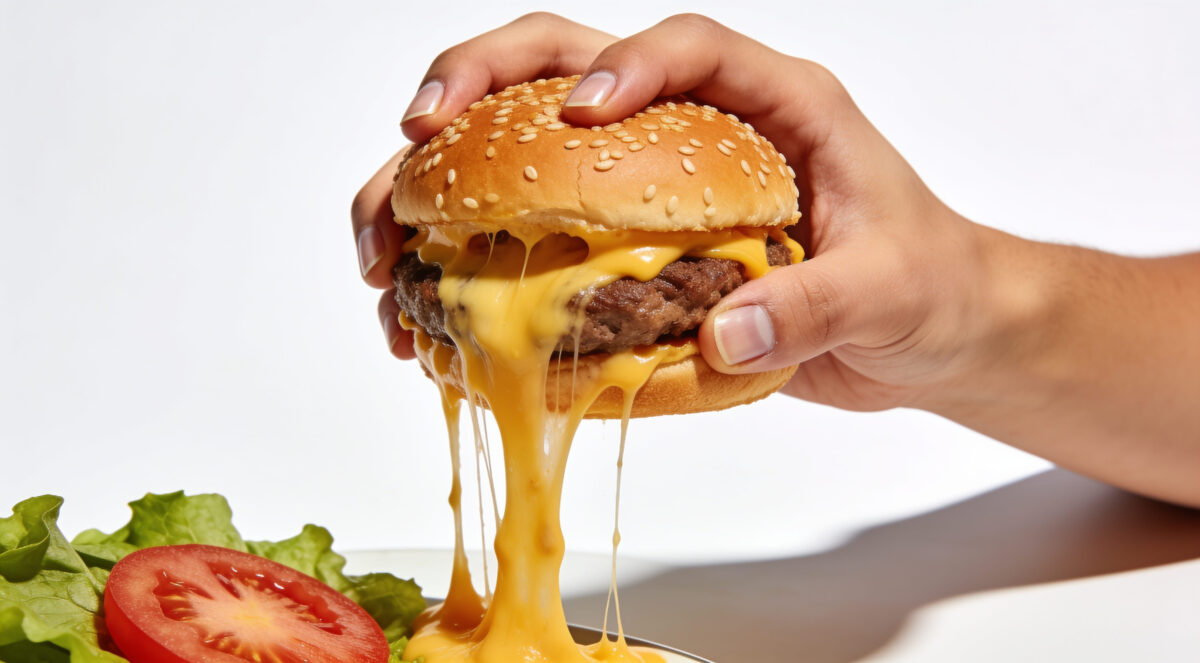
Rumors about mysterious fillers in fast-food burgers have circulated for years, particularly online. Such claims should not be assumed to apply to every restaurant.
McDonald’s, for example, states that its standard U.S. hamburger patties are made from 100 percent beef, with salt and pepper added during cooking. According to the company, the patties contain no fillers or preservatives.
Most regular hamburger patties are formed and flash-frozen, while Quarter Pounder patties are supplied fresh in most locations in the contiguous United States.
Of course, this does not mean every burger at every restaurant has the same ingredients. Consumers who want to know exactly what they are eating should check the ingredient information published by the specific restaurant.
Preservatives Automatically Make Fast Food Unsafe
The word “preservative” can sound alarming, but preservatives have practical purposes in food production.
Preservatives can slow spoilage caused by bacteria, mold, fungi, yeast, and air exposure. Some also help stop fats and oils from becoming rancid.
Food additives permitted for use in the United States are subject to safety requirements and regulations. Their presence in a food product does not automatically mean that the food is unsafe.
This should not be confused with overall nutritional quality. A highly processed food can still contain large amounts of sodium, sugar, or saturated fat. The point is simply that an approved preservative is not evidence by itself that a food is dangerous.
Vegetarians Cannot Eat at Fast-Food Restaurants.
Vegetarian selections vary greatly between restaurants, but the idea that people who avoid meat have no fast-food choices is increasingly outdated.
Taco Bell, for example, offers a variety of menu items that are certified vegetarian by the American Vegetarian Association. Customers can also customize some dishes by removing meat or replacing it with ingredients such as beans.
Other restaurants may offer salads, vegetable dishes, bean-based foods, meat alternatives, or customizable meals.
However, people with strict dietary requirements should remember that vegetarian and meat ingredients can sometimes be prepared in shared kitchens or on shared equipment. When cross-contact is a concern, check a restaurant’s preparation and allergen information.
Fast-Food Restaurants Do Not Tell You What Is in Their Food
Nutrition transparency has increased considerably, particularly among major restaurant chains.
In the United States, certain chain restaurants with 20 or more locations must display calorie information for standard menu items. They must also make additional written nutritional information available to customers.
This information can include saturated fat, sodium, carbohydrates, sugars, fiber, and protein.
Many large restaurant companies go beyond basic calorie information by publishing ingredient lists, allergen guides, and online nutrition calculators.
Information may not be equally detailed at every restaurant, but the claim that fast-food chains completely hide what is in their food is no longer accurate.
Fast Food Alone Causes Obesity
Frequent consumption of calorie-dense fast food can contribute to excessive calorie intake, but obesity cannot accurately be blamed on one type of food alone.
Obesity is a complex chronic condition influenced by numerous factors. Eating patterns and physical activity matter, but so can sleep, stress, genetics, certain medical conditions, medications, and environmental influences.
Research has found associations between fast-food consumption, calorie intake, and body weight. However, an association does not mean that fast food is the only cause of obesity.
Dietary habits should therefore be considered as part of a much larger picture involving lifestyle, biology, environment, and overall energy intake.
Every Fast-Food Meal Is a Massive Calorie Bomb
Some fast-food combinations can certainly contain a large number of calories, particularly when a burger or fried entrée is paired with large fries, sugary drinks, sauces, and desserts.
But not every order is equally high in calories.
A single sandwich, smaller portion, unsweetened beverage, fruit side, or grilled item can produce a very different nutritional total from a large combination meal.
Portion size is especially important. Drinks and side dishes can add hundreds of calories to a meal without people necessarily noticing how much they contribute.
The phrase “fast-food meal” can therefore describe many different combinations. Looking at the actual items ordered is far more useful than assuming every restaurant visit involves an enormous calorie intake.
You Must Completely Avoid Fast Food to Eat Sensibly
Fast food is better understood in the context of someone’s overall eating pattern than automatically classified as either completely good or completely bad.
Regularly eating oversized meals high in sodium, saturated fat, added sugar, and calories can make it harder to meet recommended nutrition goals.
At the same time, one occasional restaurant meal does not determine the quality of someone’s entire diet.
Modern fast-food menus often provide customers with more control through calorie information, customization, smaller portions, grilled foods, vegetarian options, and alternative side dishes.
Knowing portion sizes and nutritional information can make a big difference.
Fast food deserves reasonable scrutiny, but that scrutiny should be based on facts, not rumors. Restaurant practices vary, menus change, and individual products can differ substantially in nutritional value.
Once consumers separate common myths from reliable information, they are in a much better position to decide what fits their preferences, dietary needs, and overall eating habits.
Other articles you may like:
– iconic-fast-food-chains-youve-probably-never-heard-of/
–fast-food-chains-are-bringing-the-human-touch-back-and-customers-are-noticing/
– fast-food-meals-you-should-avoid-at-all-cost/