The Easy Breakfast Casserole You Can Prepare the Night Before
The best breakfast on a busy morning might be the one you assembled before bed. A make-ahead casserole turns eggs, cheese, bread, vegetables, and sausage into a meal you can cover and refrigerate overnight. In the morning, the job is mostly to preheat the oven, bake the dish, and plate it. That is a much calmer start than chopping vegetables while someone asks when breakfast will be ready.
Baker and recipe developer Sally McKenney has a version made for that exact routine. Her casserole serves 12 and can be assembled up to 24 hours before baking, making it suitable for a weekend gathering or a household that wants breakfast ready for several days. It is flexible, but it has a clear structure: bread on the bottom, cooked sausage and vegetables in the middle, and an egg, milk, and cheese mixture poured over everything.
Why the Overnight Rest Helps
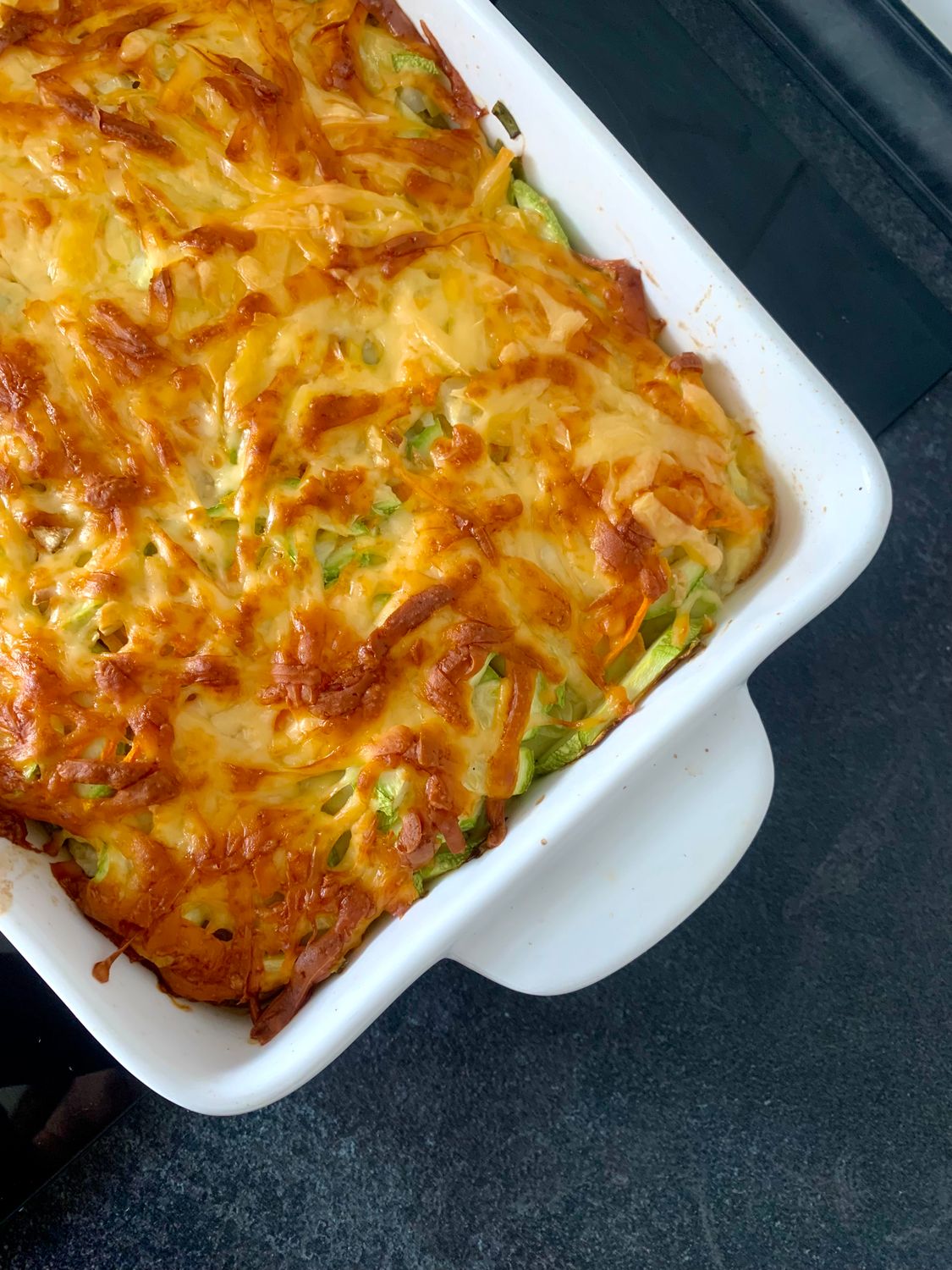
Leaving the assembled casserole in the refrigerator does more than move work off the morning schedule. It gives the bread time to absorb some of the egg mixture, so the finished dish has structure rather than a layer of dry bread underneath a pool of eggs. “During this time, the flavors mingle together, and the bread has a chance to soak up some of the liquid and flavor,” McKenney writes. She recommends at least 30 minutes of refrigeration if overnight prep isn’t possible.
McKenney calls bread or potatoes the dish’s essential base. Her standard recipe uses four cups of crusty bread cubes, preferably from bread that is slightly stale, because it can soak up moisture as the casserole rests and bakes. Crusty sourdough and ciabatta are among her suggestions, although other hearty breads can work. If the bread is fresh and soft, she recommends cubing it and briefly drying it in a 300°F oven before assembling the casserole.
There is also a practical boundary to the make-ahead promise: this is a night-before recipe, not a dish to leave assembled in the refrigerator for several days. McKenney’s tested instructions specify a covered rest of no more than 24 hours before baking. In a response to a reader asking about a 48-hour wait, her team said the casserole could become too soggy. If you are hosting later in the week, plan to assemble it the evening before breakfast.
How to Put It Together
McKenney’s version starts with a greased 9-by-13-inch, or similarly sized, oven-safe baking dish. Scatter four cups of bread cubes over the bottom, then cook a pound of ground pork sausage in a skillet with onion, garlic, bell peppers, mushrooms, and spinach. Her recipe uses two cups of chopped bell peppers, one cup of sliced mushrooms, and one cup of roughly chopped spinach. Dried rosemary or Italian seasoning is optional if you want to season the sausage as it cooks.
Once the skillet mixture is cooked, spread it over the bread. Whisk 12 eggs with two-thirds cup milk or half-and-half, one cup shredded cheddar, salt, and pepper, then pour the mixture evenly into the dish. Cover the casserole and refrigerate it for at least 30 minutes or up to 24 hours. That’s when the kitchen can close for the night, with the main prep already done.
The next morning, McKenney recommends letting the casserole sit at room temperature for 10 to 15 minutes while the oven heats to 375°F. Remove the covering before baking, then cook for about 40 to 45 minutes, until the top is golden, the edges are crisp, and a toothpick inserted in the center comes out clean. Let it cool for about 10 minutes before slicing. The brief wait makes serving easier and gives you time to set out fruit or yogurt.
Do not rely on appearance alone to judge whether an egg casserole is safely cooked. FoodSafety.gov lists 165°F as the safe minimum internal temperature for casseroles, including those containing meat and poultry. Check the center with a food thermometer, especially if your baking dish is deep or your oven runs differently from the one used to develop the recipe. A browned top is appealing, but the middle temperature is the more useful safety check.
Related: 5 Protein-Packed Foods That Make Meatless Dinners Feel Like a Real Meal
Make It Your Kind of Breakfast
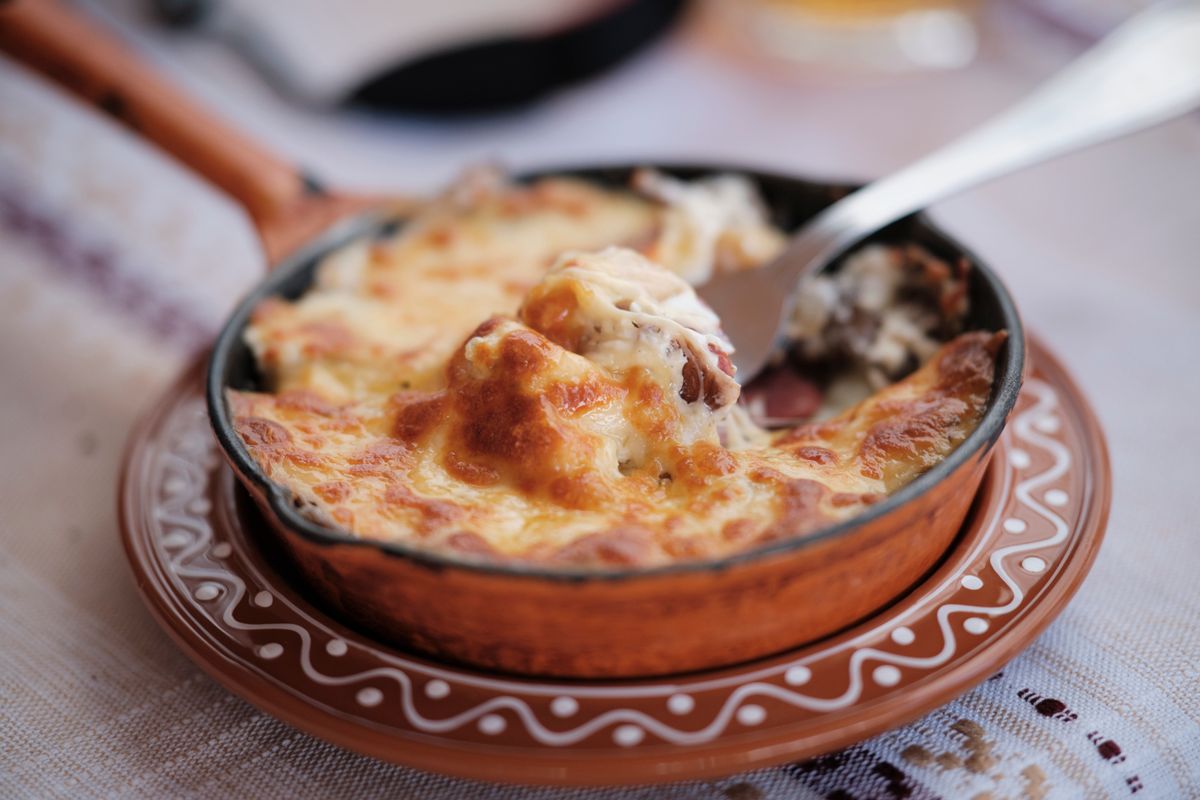
The basic arrangement can accommodate what your household actually likes. McKenney suggests swapping in vegetables such as broccoli, zucchini, or kale, and cooking the vegetable mixture before it goes into the baking dish. For a meat-free version, she says to omit the sausage and add another cup of vegetables. Other cheeses, including pepper jack, feta, or smoked Gouda, are options if you don’t prefer cheddar.
Bread is not mandatory if potatoes sound more appealing. McKenney’s tested substitution is about three cups of frozen diced hash browns in place of the bread, with no need to thaw them first. If using fresh diced potatoes, she recommends cooking them in a skillet for about 10 minutes before adding them. Those details matter: a swap works best when it preserves the casserole’s ability to absorb moisture and cook through evenly.
Leftovers are another reason this dish earns its place in the breakfast rotation. FoodSafety.gov recommends keeping a baked egg casserole in the refrigerator at 40°F or below for three to four days; its freezer guidance lists two to three months for best quality. Refrigerate leftovers promptly rather than leaving the pan out through a long, leisurely morning. Breakfast may be relaxed, but safe storage still has a schedule.
The reward for that little evening prep is a morning with fewer decisions. The vegetables are chopped, the eggs are whisked, and the casserole is ready for the oven while coffee brews. Breakfast doesn’t magically cook itself, but it comes close to what people actually want: a hot, satisfying meal without a rush of last-minute prep.
Other Post You Might Also Like
.7 High-Protein Foods I Eat Constantly—And My Brain Thanks Me for It
.8 Highly Protein-Rich Vegetables You Need to Include in Your Diet