Iran’s Hormuz Warning Puts Trump’s Peace Push Under New Pressure
The Strait of Hormuz is supposed to be quieting down. Oil is flowing again, diplomatic talks are continuing, and markets are reacting as if tensions are easing. But beneath that surface calm, a familiar pressure point between the United States and Iran is once again flashing red.
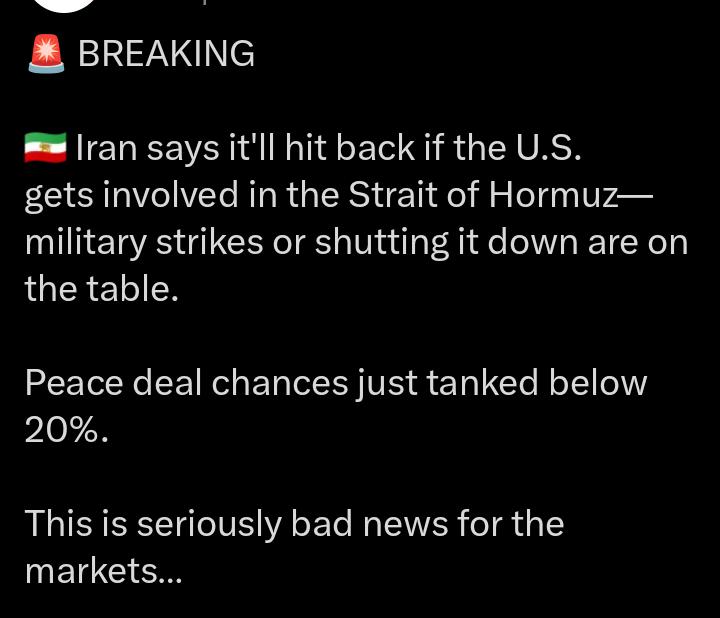
Iran has issued a fresh warning to commercial shipping passing through the strait, telling vessels to comply with its approved routing instructions or face what it described as a “forceful response.” The warning comes at a sensitive moment, as U.S. and Iranian officials continue negotiations linked to a broader memorandum of understanding aimed at reducing regional tensions and stabilizing maritime traffic.
The timing is what makes this latest move so significant. It arrives just as diplomatic efforts, including discussions held in Qatar, have been signaling cautious progress between the two sides.
President Donald Trump has described the talks in optimistic terms, saying the objective of preventing Iran from developing nuclear weapons remains the central focus. According to Trump, discussions have been moving in a “positive direction,” though he has offered few specifics about the negotiations themselves.
Iran, meanwhile, has maintained that it will continue to assert what it considers its sovereign rights in regional waters, especially in the strategic waterway that connects the Persian Gulf to global shipping routes.
The result is a delicate balance: diplomacy on one side, military signaling on the other.
Shipping Warnings Highlight Ongoing Power Struggle at Sea

The Strait of Hormuz is one of the world’s most important maritime chokepoints, with a significant portion of global oil shipments passing through its narrow waters. That makes any disruption or threat in the region a global concern, not just a regional one.
Iran’s latest directive to commercial tankers reinforces its long-standing position that it has authority over security arrangements in the area. Tehran has previously argued that foreign interference in the strait is unacceptable and that regional actors should respect its security framework.
The warning issued this week was direct. Ships were told to follow designated routes or risk consequences. While Iran did not outline specific military actions, the language itself has raised concern among shipping operators and energy markets, which closely monitor any developments in the region.
At the same time, U.S. officials have pushed back on the idea that Iran can unilaterally dictate shipping rules in international waters. Washington has consistently emphasized freedom of navigation through the strait, a principle supported by many of its allies.
Despite the sharp rhetoric, shipping has not stopped. Reports indicate that dozens of vessels have continued to pass through the strait since the latest tensions surfaced, suggesting that commercial operators are still moving forward cautiously while assessing risk levels.
For now, the waterway remains open, but heavily watched.
Diplomacy Moves Forward, but Trust Remains Thin
While maritime tensions persist, diplomatic engagement between Washington and Tehran has not stalled. Talks tied to a memorandum of understanding are still ongoing, with Qatar serving as a key intermediary between the two sides.
President Trump has continued to frame the negotiations as a potential breakthrough moment. Speaking about the process, he has emphasized that preventing Iran from obtaining nuclear weapons remains a top priority for the United States. He has also suggested that progress is being made, though no final agreement has been announced.
In parallel, Iranian officials have also signaled cautious openness to continued dialogue, while insisting that sanctions relief and recognition of its regional interests remain central conditions for any broader deal.
One of the key developments tied to the memorandum has been an effort to stabilize shipping through the Strait of Hormuz. Early frameworks reportedly included measures intended to reduce disruptions and create more predictable conditions for commercial vessels operating in the region.
However, even as those arrangements were being discussed, Iran’s latest maritime warning shows how quickly the situation can shift. Analysts note that such moves often reflect internal political pressure as much as external negotiations.
Energy markets have already responded to the evolving situation. Oil prices dipped following reports of progress in talks, with traders interpreting diplomatic engagement as a sign that short-term supply risks may ease. But analysts caution that volatility could return quickly if tensions escalate again.
For global markets, the message is simple: calm today does not guarantee calm tomorrow.
Oil Markets Watch Closely as Global Stakes Remain High
The Strait of Hormuz is not just a regional issue; it is a global energy lifeline. Roughly a fifth of the world’s oil supply moves through its waters, making it one of the most sensitive chokepoints in international trade.
That is why even limited threats or warnings can have outsized effects on global markets. Shipping companies adjust routes, insurers reassess risk premiums, and governments monitor energy supply chains for potential disruptions.
Recent movements in oil prices reflect that sensitivity. After signs of diplomatic progress between the United States and Iran, crude prices eased to multi-month lows, signaling relief among traders who had been bracing for potential supply shocks.
But that optimism remains fragile. Iran’s warning to tankers serves as a reminder that the underlying strategic dispute has not been resolved. The competing claims over maritime authority in the strait continue to sit at the center of broader geopolitical tensions.
President Trump’s administration has framed the talks as part of a broader effort to prevent escalation while keeping global energy flows stable. Iranian officials, meanwhile, continue to emphasize their regional security role and resist external control over the strait.
Between those positions lies a narrow path for diplomacy, one that depends on both sides avoiding actions that could spiral into confrontation.
For now, the ships keep moving, the talks continue, and the world watches a waterway that has become a symbol of both economic dependence and geopolitical risk.
Because in the Strait of Hormuz, calm waters never tell the full story.