Trump Declares ‘Black and Brown’ Americans Are ‘Flocking’ to GOP Over Communism: ‘They Remember That Abraham Lincoln Was a Republican!’.
President Donald Trump is putting race, political history and an old ideological enemy at the center of his latest argument for why the Republican Party is gaining ground with minority voters.
In a Sunday Truth Social post, Trump declared that Black and Brown Americans are moving toward the GOP because they reject communism and socialism. He also reached back more than 160 years to invoke Abraham Lincoln, linking today’s Republican Party to the president who led the country through the Civil War.
“Black and Brown Voters don’t want Communism or Socialism. Not surprisingly, they are flocking to the Republican Party! They remember that Abraham Lincoln was a Republican! President DONALD J. TRUMP,” Trump wrote.
It was only a few lines, but the message tied together several themes Trump has been pushing ahead of the 2026 midterm elections: minority voter realignment, opposition to the political left, and the Republican Party’s historical connection to Lincoln.
More importantly for Trump, there is real electoral movement behind part of his claim. The harder question is not whether some gains exist, but whether they amount to a lasting political change or a coalition that could shift again when Americans vote in November.
Trump Is Turning Communism Into a Midterm Weapon
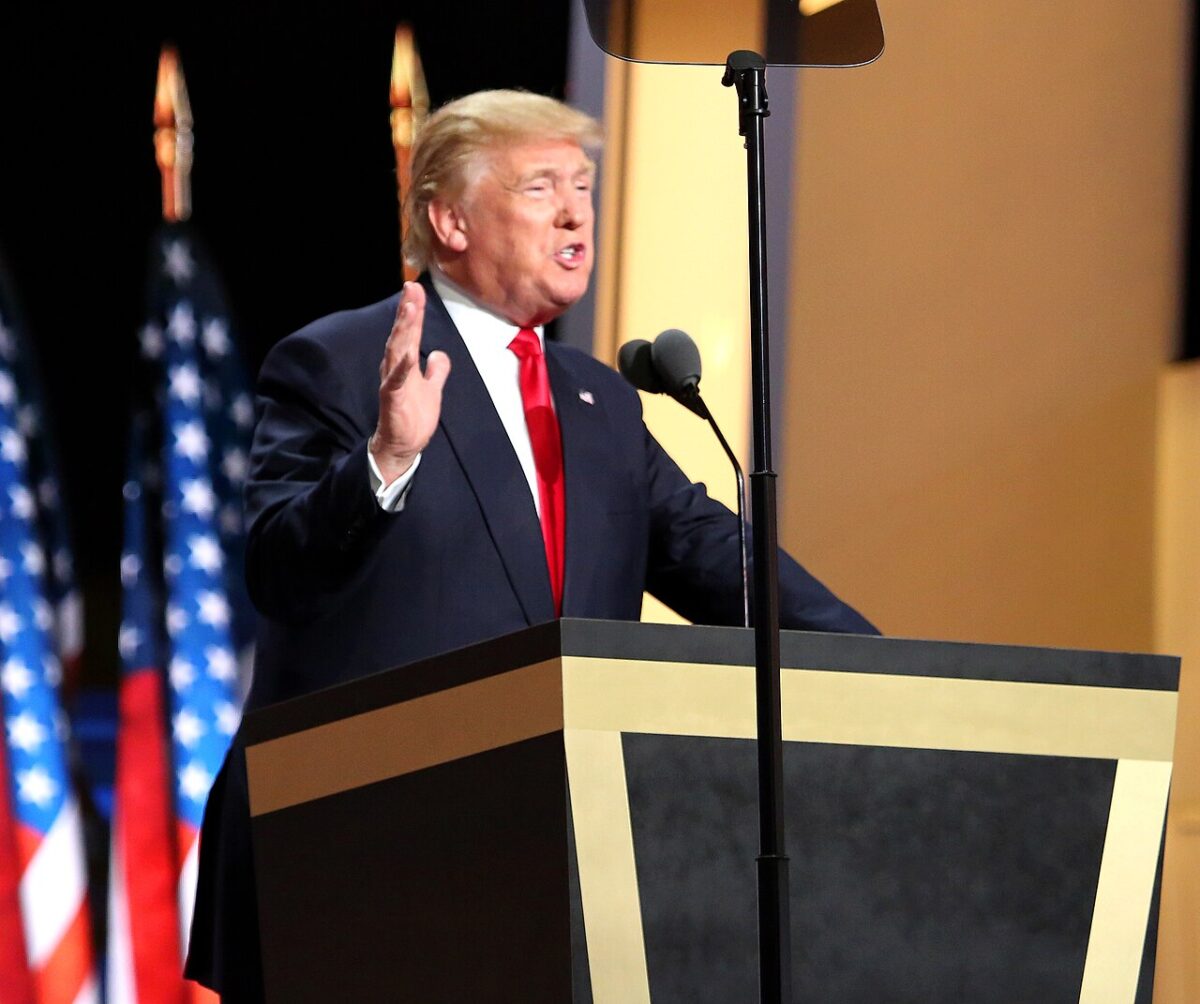
Trump’s Sunday post did not appear in isolation. For weeks, the president has stepped up attacks on Democrats by repeatedly using the words “socialism” and “communism” to describe progressive candidates and their policies.
In fact, Trump mentioned communism 81 times over a two-week period as his political operation tested the issue as a potential midterm campaign weapon. The rhetoric intensified after progressive candidates scored Democratic primary victories, which Republicans used to portray the opposition party as moving sharply to the left.
That strategy has become increasingly visible in 2026. Republicans have seized on progressive victories and proposals such as Medicare for All, higher taxes on wealthy Americans and larger government-funded social programs. Trump has responded by trying to turn those policy fights into a much simpler choice between his political movement and what he describes as socialism or communism.
During an Independence Day speech in July, Trump warned of a “resurgence of the communist menace” in the United States, presenting communism as a threat to American liberty.
He is now adding race directly to that argument. By declaring that Black and Brown voters “don’t want Communism or Socialism,” Trump is suggesting that the Republican Party’s ideological message can reach well beyond its traditional base.
That argument matters because the GOP has spent years trying to make deeper inroads with Black and Hispanic voters, especially working-class voters and younger men.
The 2024 election gave Republicans something concrete to point toward.
Trump’s 2024 Gains Give His Claim Political Weight
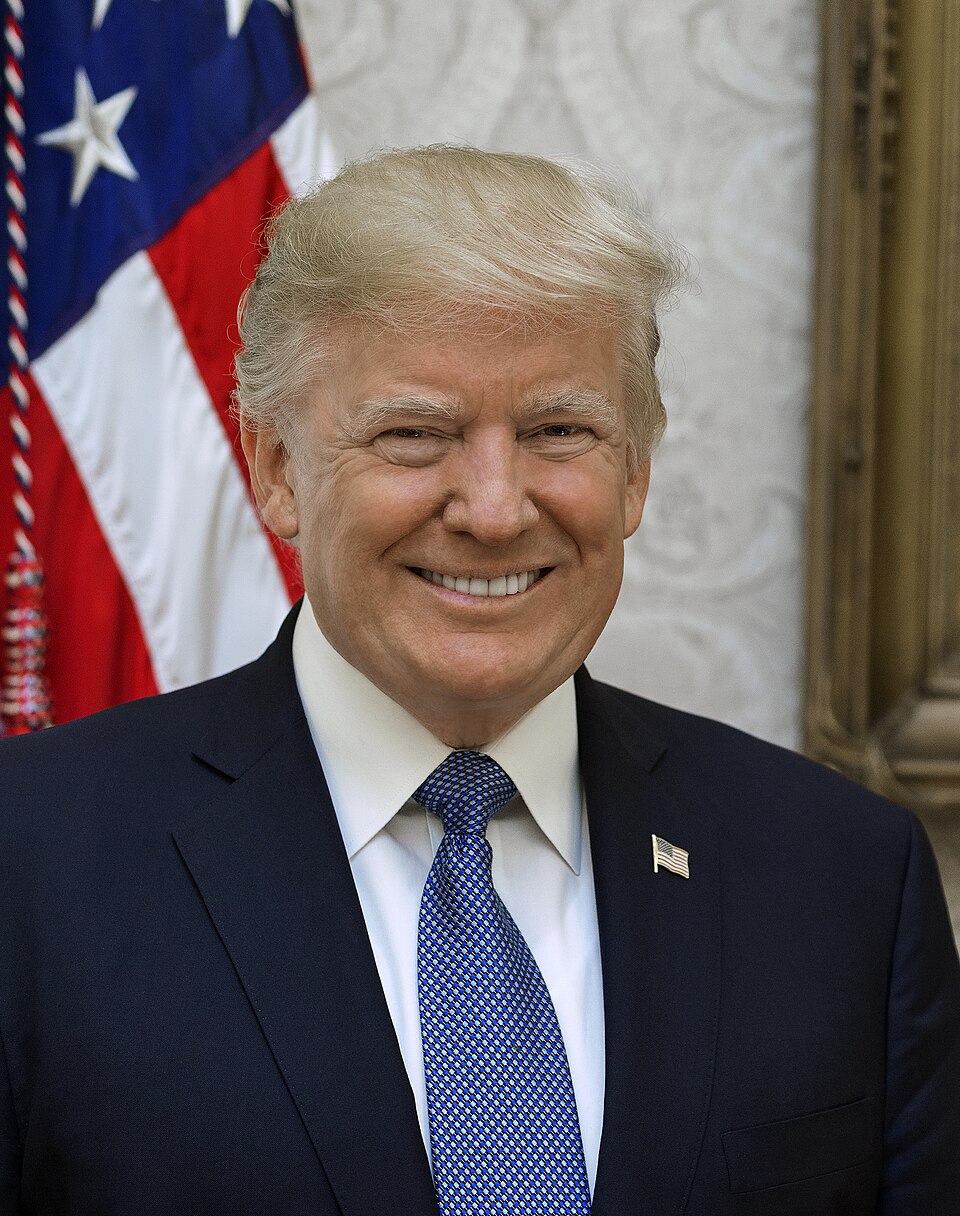
Trump’s strongest evidence comes from the election that returned him to the White House.
A detailed Pew Research Center analysis of validated voters found that 48 percent of Hispanic voters supported Trump in 2024, up sharply from 36 percent in 2020.
His gains among Black voters were smaller but still notable. Trump received 15 percent of the Black vote in 2024, compared with 8 percent in 2020 and just 6 percent in 2016.
The movement was particularly visible among Black men.
Pew found that 21 percent of Black male voters backed Trump, compared with 10 percent of Black women. Kamala Harris still dominated among Black voters overall, winning 83 percent, but Trump’s improvement was large enough to draw attention from both political parties.
AP VoteCast found a similar pattern. Trump made gains with young Black and Latino men while preserving the older White and noncollege voters who had long formed an important part of his coalition. Among Black men younger than 45, roughly three in 10 backed Trump, about twice his level of support with that group four years earlier.
Those numbers help explain why Trump feels confident making the “flocking” argument. But there is an important wrinkle.
Economic concerns, rather than communism alone, appear to have played a major role in the decisions of many young Black and Latino men who supported Trump in 2024. Voters interviewed after the election frequently pointed to jobs, inflation and the economy when explaining their choices.
That means Trump’s electoral gains are real, but his explanation for them remains a political argument, not the article’s central proof.
The broader party numbers nevertheless show that Republicans have made progress.
Gallup found Republican identification and Republican-leaning identification among Hispanic Americans rising from 27 percent to 36 percent between 2021 and 2024. Among Black Americans, Republican alignment increased from 12 percent to 17 percent over the same period.
That is not a wholesale political conversion. It is enough, however, to matter enormously in states and congressional districts decided by narrow margins.
There are also signs that Republicans cannot simply assume the shift will continue.
Gallup found that Democrats regained an overall advantage in party affiliation during 2025, after Republicans held a slight edge in 2024. And among Latino adults specifically, Trump’s approval stood at 29 percent in June 2026, according to polling cited in an Associated Press report this month.
So “flocking” is Trump’s description of the political movement, not a neutral statistical measurement of cause and effect.
What is clear is that the Democratic advantage among some minority voters is no longer something either party can simply take for granted.
Why Trump Brought Abraham Lincoln Into the Fight
Trump then ended his post with a final sentence. “They remember that Abraham Lincoln was a Republican!” On the basic history, Trump is correct.
Lincoln won the Republican presidential nomination in 1860 and became the first Republican elected president. The Republican Party was still relatively young and had developed in the 1850s largely around opposition to the expansion of slavery into western territories.
Lincoln’s presidency would become inseparable from the Civil War and emancipation.
His Emancipation Proclamation declared enslaved people in rebellious areas free beginning January 1, 1863. The 13th Amendment, passed by Congress before Lincoln’s assassination and ratified later in 1865, abolished slavery throughout the United States.
But bringing Lincoln into a political argument in 2026 is about more than remembering which party appeared beside his name on the ballot.
American political parties and their coalitions have changed dramatically during the 166 years since Lincoln’s election. Regional loyalties, policy priorities and the voting behavior of Black Americans have shifted repeatedly.
Trump’s reference nevertheless serves an obvious political purpose. He is connecting the Republican Party’s most famous historical president with the GOP’s modern effort to attract more Black and Hispanic voters.
For Republicans, it creates an appealing campaign story: the party of Lincoln is becoming more diverse while Democrats, in their telling, are moving further toward socialism.
Democrats are certain to challenge that narrative. They still overwhelmingly won Black voters in 2024, and recent polling shows Republicans cannot assume every Hispanic voter who supported Trump two years ago has permanently joined the GOP.
That is what makes Trump’s short Sunday post more consequential than it first appears: it is not just a comment on communism, but an argument about where American politics is heading.
He is not simply attacking communism. He is making a much larger bet about the future shape of American politics. He is making a much larger bet about the future shape of American politics.
Trump believes Republicans can turn their recent gains among Black and Hispanic voters into something durable, and he appears increasingly convinced that warnings about socialism and communism can help make that happen.
The 2024 election gave him evidence that the old political map is changing. The 2026 midterms will provide the next major test.
If Republican candidates hold or expand Trump’s gains with Black and Hispanic voters in November, his claim that minority voters are moving toward the GOP will be harder for Democrats to dismiss. If those voters shift back toward Democrats or stay home, the idea of a lasting realignment will look much less certain.
Either way, Trump has already chosen his pitch: communism on one side, Republicans on the other, with Abraham Lincoln brought back into the political conversation more than a century and a half after his presidency.
Whether voters buy that message could help determine who controls Congress next.
I kept Trump’s quoted language intact and avoided turning the piece into a fact-check of his claim, while still giving readers the context needed to understand why the statement matters.