10 Everyday Foods With Hidden Risks Most People Never Think About
You probably eat some of these foods every week without a second thought. They look harmless, even healthy, but in the wrong hands or cooked the wrong way, they can turn from kitchen staples into real hazards. From beans that bite back to sweet treats that hide germs, these foods prove that even everyday meals can carry serious risks if you’re not careful.
Here’s what to watch out for.
Red Kidney Beans
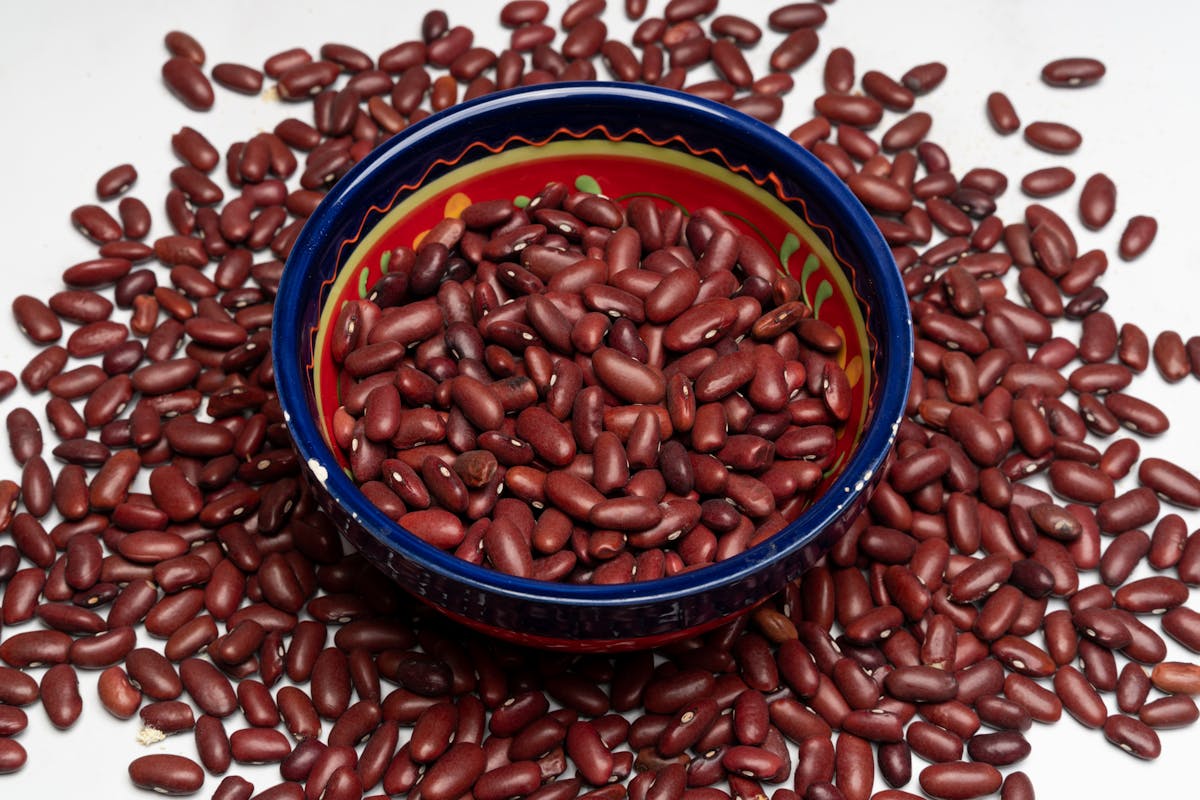
Red kidney beans are a classic comfort food, but raw or under cooked, they carry phytohaemagglutinin, a lectin toxin that can cause severe nausea, vomiting, and diarrhea. Slow cookers or gentle simmering won’t always destroy this toxin. Always soak the beans, discard the soaking water, and boil them vigorously before eating. Canned beans are safe because they’ve already been processed, making weeknight chili much less intimidating.
Green Or Sprouted Potatoes
Those potatoes with green patches or sprouting eyes contain solanine, a natural toxin that can trigger headaches, nausea, and digestive issues. Cooking doesn’t remove all of it, so trim away green spots and sprouts generously, and toss potatoes that taste bitter. Store them in cool, dark, dry places, and never assume a potato is safe just because it looks normal at first glance.
Raw Poultry

Chicken looks innocent, but can harbor Salmonella and Campylobacter. Cutting corners on cooking is a recipe for disaster. Always cook poultry to 165°F in the thickest part. Avoid washing raw chicken to prevent splashes, and keep raw meat away from other foods. One mistake can turn dinner into a major gastrointestinal nightmare.
Cassava
Cassava is a staple in many diets, but raw or improperly processed roots contain cyanogenic compounds that can produce cyanide in the body. Proper peeling, soaking, fermenting, and thorough cooking are essential. Treat cassava like it’s a tricky ingredient rather than a ready-to-eat carb. Ignoring this step can have fatal consequences.
Raw Eggs
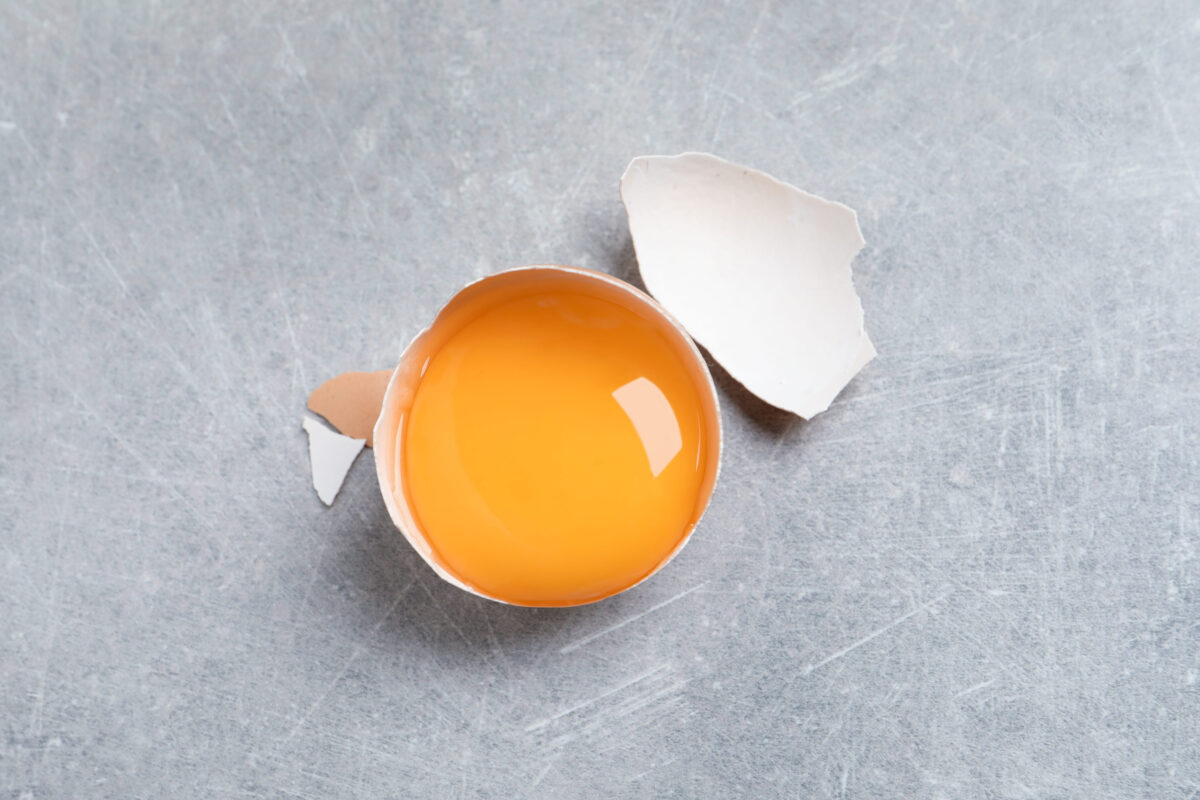
From cookie dough to homemade mayonnaise, raw eggs are common in many recipes—but they can carry Salmonella. Use pasteurized eggs for uncooked dishes, cook eggs until both yolk and white are firm, and always wash your hands and utensils after handling. Underestimating eggs can lead to serious food poisoning.
Cooked Rice
Bacillus cereus spores can survive cooking, and if rice sits at room temperature too long, bacteria can produce toxins that survive reheating. Cool rice quickly, refrigerate it promptly, and reheat until steaming hot. One careless lunchbox or leftover bowl can easily turn a harmless meal into a digestive disaster.
Rhubarb Leaves

Gwen and James Anderson / Wild rhubarb or butterbur (Petasites vulgaris)
Rhubarb stalks are safe, tart, and delicious, but the leaves contain oxalic acid and anthraquinone glycosides, which are toxic. Even small amounts can cause serious health problems. Discard leaves completely and never compost them where kids or pets might get access. Delicious pies shouldn’t come with hidden danger.
Nutmeg
A pinch of nutmeg adds warmth to desserts, but ingesting tablespoons can cause nausea, hallucinations, and even seizures. This common spice can be extremely toxic in excess, and online “challenges” with nutmeg are far from harmless. Stick to a measured sprinkle to flavor food safely.
Wild Mushrooms
Mushrooms are a nutrient dense staple in the kitchen however,some deadly mushrooms closely resemble edible varieties, and cooking does not neutralize the toxins. Only eat mushrooms purchased from reliable stores, and never experiment with wild picks unless verified by an expert. Mistaking one mushroom for another can be fatal.
Raw Milk Can Hide Serious Germs

Raw milk is sometimes celebrated as natural, but it can carry Salmonella, E. coli, Listeria, and Campylobacter. Pasteurization kills these bacteria, making milk safe for everyday consumption. Infants, the elderly, and anyone with a weak immune system are especially vulnerable. When in doubt, stick to pasteurized milk as it’s the safest choice.
Everyday foods can carry hidden risks, but understanding which ones need careful handling can prevent serious illness. A little preparation, smart storage, and common sense keep meals both delicious and safe.