4 Foods Experts Say You Should Never Wrap in Aluminum Foil
Aluminum foil is a kitchen essential most Americans use without thinking much about it. It covers leftover pizza, keeps baked potatoes warm, wraps sandwiches, and makes cleaning up after dinner easier. But food scientists say that shiny silver sheet might not always be the best way to store your favorite foods.
While aluminum foil is generally safe for everyday cooking and food storage, certain ingredients can react with the metal, especially when left in direct contact for extended periods. Other foods need special storage precautions because improper wrapping can affect how quickly they cool. A seemingly harmless kitchen habit could leave you with unwanted flavors, damaged foil, or poorly stored leftovers.
Here are four foods you should avoid storing directly in aluminum foil, along with practical alternatives to keep your leftovers in better condition.
Acidic Foods Like Tomatoes and Citrus
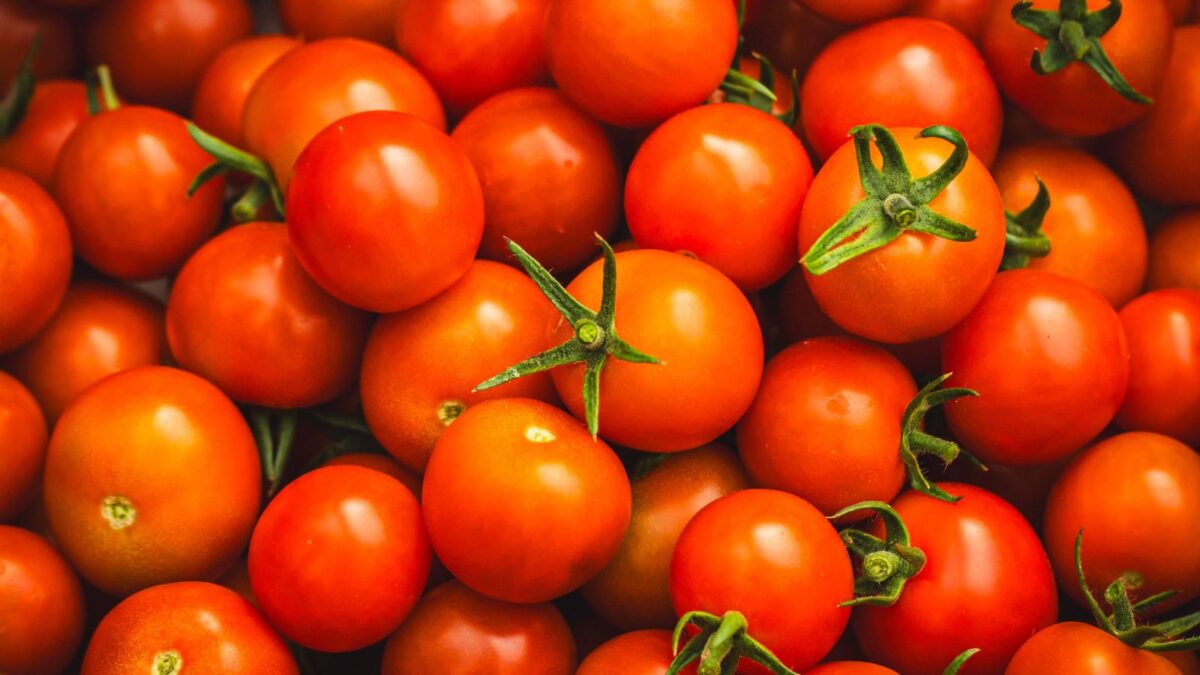
Tomato sauce might be delicious on pasta, but storing those leftovers directly in aluminum foil isn’t a great idea. Foods containing tomatoes, lemons, oranges, vinegar, or wine can react with aluminum, particularly when moisture is present. The longer they remain in contact with the foil, the more noticeable that reaction can become.
According to food scientist Jessica Gavin, acidic ingredients can accelerate reactions that cause aluminum foil to develop small pits or become weaker. You might notice tiny holes in the wrapping or even an unpleasant metallic taste in your food. This is especially frustrating when you’re saving a flavorful homemade meal for the following day.
Consider a leftover serving of lasagna covered in tomato sauce. If the sauce touches the aluminum foil for an extended period, the foil may deteriorate where the two surfaces meet. Similar problems can occur with lemon-marinated vegetables, vinegar-based dishes, or meat served with a wine sauce.
Fortunately, this doesn’t mean that accidentally wrapping an acidic food in foil makes it dangerous to eat. Aluminum salts responsible for certain discolorations and pinholes are generally harmless. Still, preventing the reaction helps preserve the food’s appearance and flavor.
What to use instead: Transfer acidic leftovers into a glass container with a tightly fitting lid. Glass doesn’t react with tomato sauce, citrus juice, or vinegar in the same way aluminum can. It’s a practical choice for everything from homemade spaghetti sauce to leftover lemon chicken.
Salty Foods, Including Cured Meats and Aged Cheeses
Salt makes many foods taste better, but it can also make aluminum foil less suitable for long-term storage. Foods with high salt concentrations can interact with the metal, especially when moisture and warmth are involved. That is why experts recommend paying close attention to items like cured meats and heavily salted cheeses.
Consider wrapping leftover ham, salami, or aged cheese in foil before refrigerating it. The wrapping might appear secure, but direct contact between salty moisture and aluminum can encourage surface reactions. Over time, the foil may discolor or develop small holes.
Gavin explains that salty foods, particularly when stored warm, can encourage small amounts of aluminum to transfer into the food. The amounts involved are generally low, but the interaction can affect flavor and overall quality. The concern is greater with prolonged contact than with briefly covering food during preparation or serving.
This doesn’t mean aluminum foil must disappear from your kitchen whenever you’re preparing salty dishes. It remains useful for many everyday cooking tasks, and the specific circumstances matter. The important distinction is between using foil briefly and leaving salty food pressed against it throughout storage.
What to use instead: Choose food-safe containers with secure lids for cured meats and other heavily salted leftovers. For cheese, follow the storage recommendations for the particular variety rather than automatically wrapping every type in foil. Proper packaging also helps prevent strong odors from spreading throughout the refrigerator.
Related Post:12 Things to Know Before Wrapping Food in Aluminum Foil for Cooking
Marinated Meat and Poultry
A good marinade can transform an ordinary piece of chicken, beef, or pork into a flavorful dinner. Ingredients such as lemon juice, vinegar, wine, soy sauce, and seasonings are frequently used to create delicious combinations. However, these same ingredients can make aluminum foil a poor choice for storing marinated meat.
The problem is that marinades often contain both acidic ingredients and salt. When these ingredients contact aluminum directly, they can encourage reactions that weaken the foil. The combination of salt, acid, moisture, and prolonged contact makes marinated dishes particularly unsuitable for direct foil wrapping.
Imagine preparing chicken breasts in a lemon-and-herb marinade for tomorrow’s dinner. Wrapping the chicken tightly in foil might seem like an easy way to save refrigerator space. However, storing the meat in a nonreactive container would be a better option for keeping the marinade contained and avoiding unwanted reactions.
Another important consideration when handling raw meat is temperature control. Marinate meat and poultry in the refrigerator, not on the kitchen counter. Raw meat should also be kept separate from ready-to-eat foods to prevent cross-contamination.
What to use instead: A covered glass container or a food-grade resealable plastic bag makes marinating easier. Both options keep the ingredients in contact with the meat without direct exposure to aluminum. Place the container in the refrigerator, preferably where any accidental leakage cannot drip onto other foods.
Cooked Rice, Potatoes, and Other Starchy Leftovers
Leftover rice, baked potatoes, pasta, and cooked beans are convenient ingredients for another meal. But wrapping these foods tightly in aluminum foil while they’re still hot can create problems, particularly if they are left at room temperature. Unlike acidic or salty foods, the main concern is temperature control and proper cooling, not a chemical reaction with aluminum.
According to foodborne illness specialist Dr. Vanessa Coffman, tightly wrapping warm leftovers in foil can slow cooling by trapping heat. When food remains between 40 and 140 degrees Fahrenheit for too long, certain bacteria can multiply. Cooked rice and other starchy foods require particular attention because some bacteria can survive cooking in spore form.
Baked potatoes deserve an additional warning. The Centers for Disease Control and Prevention advises keeping potatoes baked in aluminum foil at 140 degrees Fahrenheit or hotter until serving, or refrigerating them with the foil loosened to allow air circulation. This precaution helps reduce the risk of botulism associated with improperly stored foil-wrapped potatoes.
Cooked rice also needs prompt refrigeration, whether or not aluminum foil is involved. Covering a large quantity of steaming rice and leaving it on the counter for several hours is not a safe way to handle leftovers. The same general principle applies to cooked pasta, beans, and many other prepared foods.
What to use instead: Divide leftovers into smaller portions and transfer them into shallow, food-safe containers. Refrigerate them promptly rather than allowing large quantities to sit out while cooling. This makes it easier to store tomorrow’s lunch without unnecessarily delaying cooling.
How to Store Leftovers Without Relying on Foil
Avoiding aluminum foil for these foods doesn’t require expensive kitchen equipment or complicated storage routines. A few reusable containers and some attention to temperature are enough to handle most leftovers properly. The important thing is choosing packaging that suits the food rather than automatically reaching for the same wrapping material.
Perishable foods should generally be refrigerated within two hours of preparation or serving. When temperatures exceed 90 degrees Fahrenheit, that window drops to one hour. Refrigerators should also be maintained at 40 degrees Fahrenheit or below.
Storage duration matters, too. The USDA generally recommends using refrigerated cooked leftovers within three to four days. If you aren’t planning to eat them within that period, freezing may be a better choice.
There’s no reason to throw away your aluminum foil altogether. It’s still useful for many cooking, baking, and food-packaging tasks when used appropriately. The real lesson is knowing when another storage method makes more sense.
Other Posts You Might Like:
10 Foods You Should Never Wash, According to Food-Safety Experts
10 Everyday Foods That May Contain Microplastics Without You Knowing
6 Foods That Turn Toxic When Reheated—But Still Appear on Family Tables