8 Canned Foods That Might Not Be Worth Adding to Your Grocery Cart
Canned foods have earned a permanent place in American kitchens, and it’s easy to understand why. They’re convenient, generally affordable, and can sit in the pantry until you’re ready to cook. Whether you’re making a quick dinner or stocking up for a busy week, a few cans can make cooking considerably easier.
However, not every canned product deserves a place in your shopping cart. Some lose the texture that makes their fresh counterparts enjoyable, while others may cost more than alternative ingredients. Certain products also contain sauces or packing liquids that don’t necessarily suit the meal you’re planning.
That doesn’t mean canned foods are automatically inferior. According to the U.S. Department of Agriculture, commercially canned products can maintain quality for extended periods when stored properly. The trick is knowing which products offer real convenience and which deserve a second look before you check out.
Here are 8 canned foods worth reconsidering, along with practical alternatives that might work better in your kitchen.
Canned Mushrooms
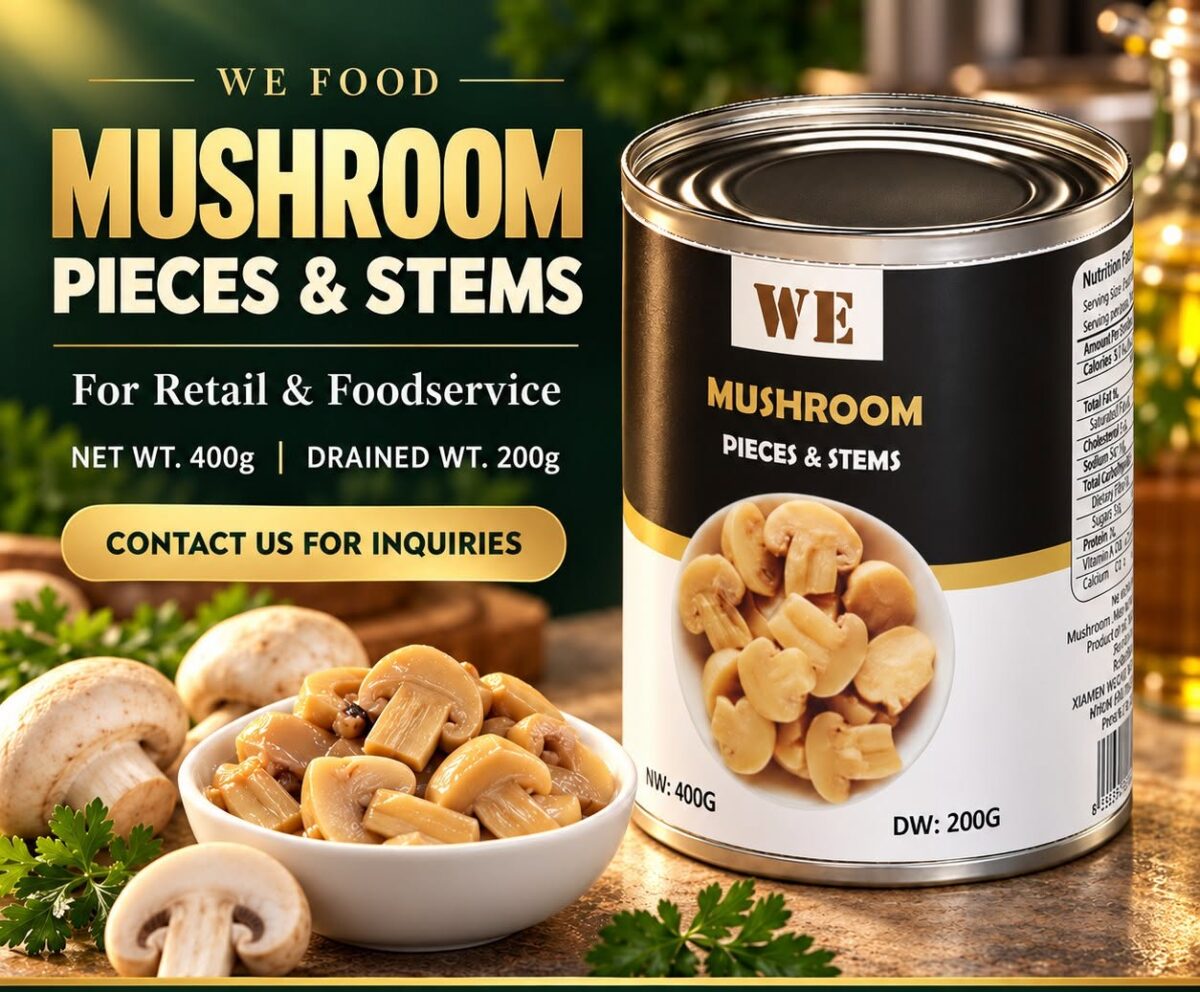
Mushrooms add rich, earthy flavor to pasta sauces, casseroles, and homemade pizzas. However, canned mushrooms don’t always provide the same cooking experience as fresh ones.
Because they’re already cooked during processing and stored in liquid, canned mushrooms typically have a softer texture. They may also contain enough moisture to make browning more difficult.
If you’re preparing a creamy soup or casserole, this difference might not matter much. But for sautéed mushrooms served alongside steak or incorporated into a stir-fry, fresh mushrooms are often a better choice.
Before purchasing canned mushrooms, consider whether convenience or texture matters more for your recipe.
Canned Asparagus
Fresh asparagus is known for its firm stalks and distinctive texture when properly cooked. Unfortunately, commercial canning can make those characteristics difficult to preserve.
Canned asparagus is already tender, so extra cooking can make it softer than intended. That makes it less suitable for recipes where asparagus should retain some firmness.
For roasted asparagus, grilled side dishes, or preparations that depend on a slight crunch, fresh or frozen spears may produce a more satisfying result.
Canned asparagus can still work in blended soups or other dishes where a soft texture is desirable. The important thing is choosing the version that matches your intended cooking method.
Related Post:6 Cheap Frozen and Canned Foods That Can Be as Healthy as Fresh Produce
Canned Potatoes
Potatoes are among the most versatile ingredients in the kitchen. You can roast, mash, fry, boil, or turn them into countless comforting dishes.
Canned potatoes offer convenience because they’re already cooked, but that advantage comes with limitations. Their softer texture makes them less suitable for recipes that require a crisp exterior.
They work well in soups, stews, or quick skillet meals, especially when you’re short on time.
However, if you’re planning crispy roasted potatoes or homemade fries, fresh potatoes generally give you more control over the final texture.
It’s also worth comparing the cost per pound after accounting for the liquid in the can.
Canned Spinach
Spinach changes considerably when cooked, and the difference becomes even more noticeable when comparing fresh and canned varieties.
Canned spinach is already soft and may contain moisture that needs to be drained before cooking. Its texture makes it a reasonable ingredient for certain casseroles, dips, and cooked fillings.
However, it cannot replace fresh spinach in dishes where crisp leaves are essential. A salad made with canned spinach would be a completely different experience from one made with fresh greens.
Frozen spinach is another practical alternative for cooked recipes. You can portion it for the dish and store it until you need it.
Before buying canned spinach, think about how you’ll use it rather than choosing it simply because it’s convenient.
Canned Pasta in Sauce
Few pantry products promise an easier meal than canned pasta. Open the container, heat the contents, and dinner is nearly ready.
However, pasta stored in sauce is already cooked and sits in liquid until the can is opened. As a result, it’s usually much softer than freshly prepared pasta.
The sauce also comes preselected, leaving little opportunity to control its consistency or seasoning.
For households with a few extra minutes available, cooking dried pasta and adding a preferred sauce can provide greater flexibility.
Canned pasta still has a place when convenience is the priority, but it may not satisfy someone expecting the firmness of freshly cooked noodles.
Canned Corned Beef Hash
Corned beef hash is a familiar breakfast favorite, particularly when served with eggs or toast. The canned version combines convenience with a distinctive, compact texture.
However, not every canned hash develops the crispy edges some people expect from a traditional skillet breakfast. Achieving that texture often depends on spreading it in a hot pan and letting it brown long enough.
Consumers should also compare package sizes and prices before purchasing.
Homemade hash made with cooked potatoes and leftover corned beef gives you more control over the ingredient balance.
If you enjoy canned hash, you don’t need to abandon it completely. Just consider whether the convenience justifies the cost compared with preparing a similar dish yourself.
Canned Vienna Sausages
Vienna sausages are popular pantry staples because they’re ready to eat and require little preparation. Their small size also makes them convenient for quick snacks or simple meals.
However, their soft texture and distinctive processed flavor may not appeal to everyone.
Another consideration is how much sausage you’re actually getting for the price. A small can may seem inexpensive until you compare its contents with other meat products.
For recipes where the sausage is the main attraction, refrigerated or frozen alternatives may offer a different texture and flavor.
Canned Vienna sausages remain convenient, particularly when refrigeration isn’t available. But they’re worth comparing with other options before making them a regular purchase.
Canned Fruit Cocktail
Fruit cocktail looks colorful and appealing, especially when you’re preparing a quick dessert or serving fruit alongside breakfast.
However, the contents may not include equal amounts of every fruit pictured or listed on the label. Different brands and varieties can contain different combinations and proportions.
Some products are packed in syrup, while others use juice or water. These liquids can change the fruit’s sweetness and overall flavor.
If you want plenty of peaches, pears, or cherries, check the ingredients before buying.
Buying individual canned fruits and combining them yourself can provide greater control over the mixture. Fresh fruit is another option when the varieties you want are reasonably priced.
Are Canned Foods Still Worth Buying?
Absolutely. Canned foods remain practical ingredients for busy households, and many work beautifully in everyday recipes. Beans, tomatoes, corn, and various other canned products can save preparation time without requiring complicated cooking techniques.
The key is understanding what you’re purchasing.
Some foods lose their original texture during processing, while others may contain packing liquids or additional ingredients that change their flavor. Price comparisons matter too, because convenience doesn’t always mean better value.
Most low-acid canned foods maintain their best quality for approximately two to five years, while high-acid products generally have shorter recommended storage periods.
These are quality guidelines, not promises that every product will remain unchanged throughout storage. Proper handling and intact packaging are essential.
The next time you’re walking down the canned-food aisle, take a moment to consider the recipe, texture, packaging, and price. Sometimes the canned version will be exactly what you need. Other times, spending a few extra minutes preparing a fresh or frozen alternative may give you a meal you’ll enjoy more.
After all, smart grocery shopping isn’t about avoiding canned foods altogether. It’s about knowing when convenience is worth paying for and when another option makes more sense.
Other Posts You Might Like: