9 American Unusual Foods That Are Surprisingly Delicious
America’s food map is full of dishes that sound strange until the first bite. Some were born of thrift, some of ranching or immigrant traditions, and others of the joyful excess of fairs and late-night diners.
Here are nine unusual American foods that may challenge your expectations and reward your curiosity.
Scrapple, Pennsylvania
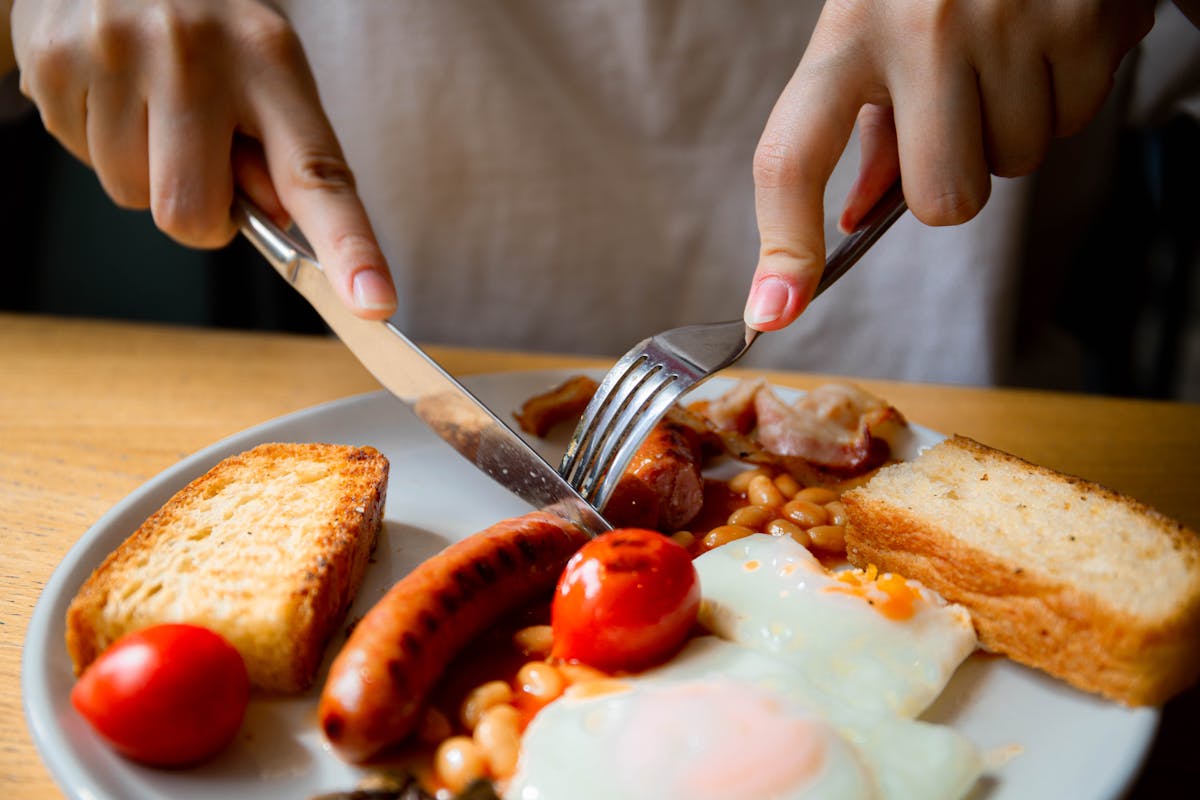
Scrapple’s name practically announces its humble origins. Closely associated with Pennsylvania Dutch communities, this breakfast staple developed as a practical way to use pork scraps instead of wasting them.
A traditional version combines pork with grains such as cornmeal and buckwheat, along with seasonings. The mixture is shaped into a loaf, allowed to set, sliced, and pan-fried until golden.
A properly fried slice develops a crisp, browned exterior while the inside stays soft and savory. People often treat it like any other breakfast meat and pair it with eggs or toast. Forget the name for a moment and think of it as a deeply seasoned pork loaf with a crunchy crust.
Chitlins, the American South
Chitterlings, usually called chitlins, are cleaned and cooked large intestines, most commonly from hogs. They became a traditional food in parts of the American South and have long been associated with winter meals and holiday gatherings.
Their reputation comes partly from the strong smell they produce during cooking, but the texture can be surprisingly tender and chewy when properly prepared. They may be served after a long simmer or fried, with cider vinegar and hot sauce often used as accompaniments.
Food safety is especially important when preparing chitlins. Raw chitterlings can carry harmful bacteria, so careful cleaning, handling, and thorough cooking are essential.
Rocky Mountain Oysters, Colorado
The name sounds like seafood. The reality is ranch country.
Rocky Mountain oysters are bull testicles, a food closely tied to Western cattle culture. A common preparation involves peeling, slicing, breading, and deep-frying them until golden.
They are often served as an appetizer with cocktail sauce, horseradish, or another dipping sauce. Once sliced, breaded, and fried, the dish looks far less intimidating than its name might suggest.
The crisp coating and relatively mild flavor can make it easier for first-timers to approach than expected. In Colorado and other parts of the West, the dish has endured as both a ranching tradition and a novelty food with genuine fans.
Related article: unusual-foods-that-are-surprisingly-delicious/
Burgoo, Kentucky
Burgoo is unusual less because of one shocking ingredient and more because there is no single rigid formula.
This Kentucky specialty is a thick stew that can include several types of meat, such as mutton, pork, beef, and chicken, along with vegetables including potatoes, corn, carrots, onions, celery, and lima beans.
Historically, some versions also included wild game, while modern recipes usually rely on more familiar meats.
Its appeal comes from the long simmer. Different meats, vegetables, stock, and seasonings cook together until the flavors blend into one rich, hearty dish. Burgoo is often associated with gatherings and community meals, making it as much a social tradition as a recipe.
Livermush, North Carolina
Livermush may be one of the least glamorous food names in America, but western North Carolina has given it a loyal following.
The dish is made mainly from pork liver, cornmeal, and spices, though some versions include other cuts of pork. Cook the mixture, form it into a loaf, chill it, slice it, and then fry it.
Like scrapple, livermush wins people over through texture. Frying gives the outside a browned crust while the center remains soft.
Serve it on bread or tucked into a biscuit, sometimes with egg, mustard, or other breakfast toppings. For people who grew up eating it, livermush is not a novelty food at all. It is simply breakfast.
The Hot Beef Sundae, Iowa
At first glance, the Hot Beef Sundae sounds like a dessert experiment gone terribly wrong. Fortunately, it involves no ice cream.
The dish was introduced at the Cattlemen’s Beef Quarters at the Iowa State Fair in 2006. It combines mashed potatoes with shredded beef and gravy, then tops it with shredded cheddar cheese and a cherry tomato.
The presentation resembles an ice cream sundae, but the flavor is classic Midwestern comfort food.
The Hot Beef Sundae has become a recognizable Iowa State Fair favorite, combining several familiar savory ingredients in a playful presentation. The appeal is easy to understand. Mashed potatoes, beef, gravy, and cheese were already comfort-food staples. Serving them like a sundae made them more memorable.
The Garbage Plate, Rochester, New York
Few dishes sound less appetizing than the Garbage Plate, yet Rochester has turned it into a signature meal.
The name is associated with Nick Tahou Hots, where the original Garbage Plate became famous.
A traditional version begins with a choice of protein, such as a cheeseburger, hamburger, hot dog, Italian sausage, chicken, or grilled cheese. It is served over a combination of sides that may include home fries, French fries, baked beans, and macaroni salad.
The entire plate is then commonly topped with Rochester-style meat hot sauce, while mustard and onions may also be added.
It is messy, heavy, and unapologetically excessive. It is also a clever combination of cookout and diner flavors on a single plate.
Pickle Pizza
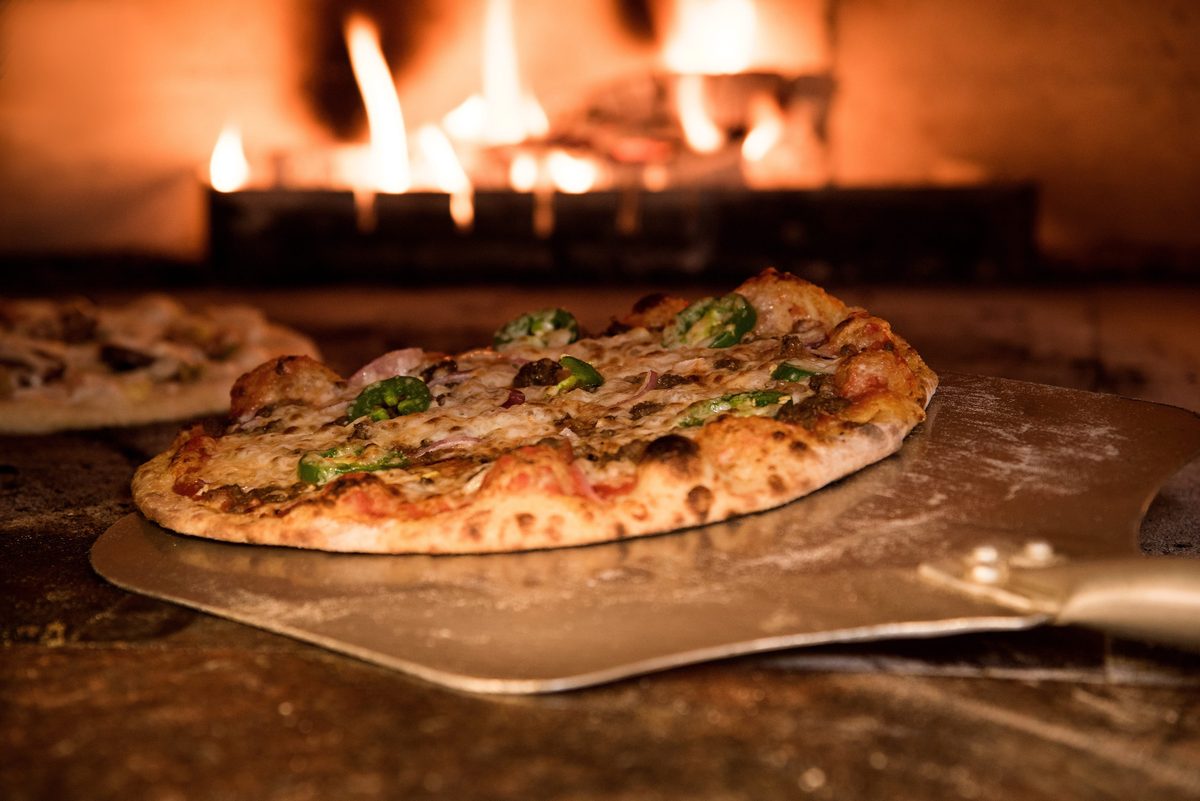
Pickles on pizza once sounded like a stunt. Then the idea started appearing at fairs and pizzerias around the country.
Many versions use a white or ranch-style sauce instead of traditional tomato sauce. Dill pickles add acidity, saltiness, and crunch, creating a sharp contrast with melted cheese.
That contrast explains why the combination can work surprisingly well. Rich cheese and creamy sauces often benefit from something acidic, and pickles provide exactly that.
Different restaurants have created their own versions, sometimes adding chicken, onions, bacon, or extra seasoning.
Pickle pizza may still divide opinion, but from a flavor standpoint, the pairing makes more sense than the name initially suggests.
Fried Brain Sandwich, Evansville, Indiana
Evansville’s fried brain sandwich is one of America’s more unusual surviving regional specialties.
The dish has long been associated with the Ohio River Valley and remains connected with food traditions in and around Evansville.
A typical version uses breaded or battered animal brain, fried and served on bread or a bun. Modern versions in the region may use pork brain and can be topped with onions, pickles, and condiments.
The appeal is partly historical and partly textural. Frying creates a crisp exterior around a much softer interior.
For newcomers, the ingredient may be challenging. For longtime fans, however, the sandwich represents a regional tradition that has survived even as American eating habits have changed.
The Bottom Line
Unusual food is often just familiar food viewed from the outside.
Scrapple and livermush reflect older traditions of using as much of an animal as possible. Burgoo turns a mixture of meats and vegetables into a communal meal. The Garbage Plate and Hot Beef Sundae celebrate abundance and comfort. Pickle pizza shows how an unconventional combination can still make culinary sense.
Even Rocky Mountain oysters and fried brain sandwiches connect to specific regional histories rather than existing for shock value.
You do not have to love every dish on this list. But each one has lasted because enough people found something worth coming back for.
Sometimes the strangest-sounding bite is the one that changes your mind.
Other articles you may like:
– the-boomer-food-traditions-that-still-bring-people-to-the-table/
– 10-foods-you-should-never-wash-according-to-food-safety-experts/
– some-restaurants-are-saying-no-to-ai-generated-food-photos-check-out-the-reasons/