8 Foods That Lose Flavor or Texture in the Fridge
Your fridge can save dinner and still sabotage a tomato. The U.S. Food and Drug Administration says home refrigerators should stay at 40°F (4°C) or below. That setting slows bacterial growth and protects perishable foods. Yet whole produce does not share one ideal storage temperature. Some fruits and vegetables lose aroma, stall ripening, or suffer chilling injury in that cold box.
The trick is to separate food safety from eating quality. Once you cut them, cook them, or see a “keep refrigerated” label, follow cold-storage guidance instead.
Tomatoes lose flavor below 54°F
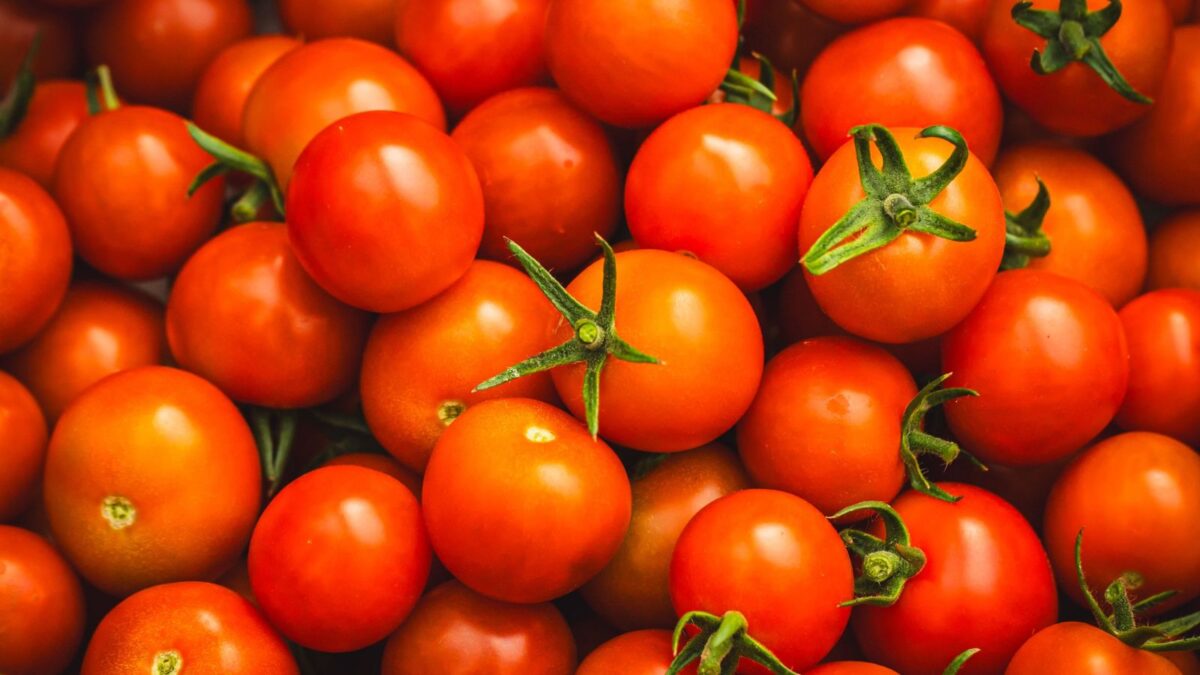
Keep ripe tomatoes out of the fridge unless you enjoy chewing on grainy, flavorless cardboard. Cold temperatures under 54°F effectively paralyze their aromatic magic, turning rich, vibrant juice into a muted, sad disappointment. Store those gorgeous red globes on your kitchen counter, safely tucked away from harsh sunlight.
If one gets dangerously soft, give it a quick chill to pause the decay, but bring it back to room temperature before slicing into it raw. Cold air tanks both taste and texture fast. Keep sliced tomatoes or fresh salsa chilled for food safety, but leave whole ones warm so every bite hits hard.
Cut onions get about seven refrigerated days
Whole storage onions prefer airflow over a chilly produce drawer. The Colorado State University Extension confirms that peeled onions, whether chopped, sliced, or kept whole, can be safely stored in a sealed, dated container in the refrigerator for up to 7 days. Whole, unpeeled storage onions need a different setup: cool, dark, dry and well ventilated.
A mesh or burlap bag helps air move around the bulbs and limits trapped moisture. Sweet onions and green onions contain more water, so they belong in the refrigerator. Refrigerate after cutting, but give cured whole onions a breathable pantry-style home. That setup helps keep the bulbs firm, dry, and ready for cooking.
Potatoes turn sweeter below 40°F
Tossing raw spuds into your fridge might accidentally spark a silent dessert transformation. Chill your spuds below 40°F, and the cold temperature triggers an instant internal panic, converting wholesome starches right into sneaky sugars. When those sugary taters hit high heat, they scorch into dark, bitter fries instead of crisp golden perfection.
Ditch those airtight, damp plastic bags immediately; your spuds desperately need breathable air inside a cool, pitch-black pantry. Fridge cooling ruins dinner, so let chilly tubers warm up slowly before cooking to rescue your savory mash and crisp fries.
Bananas can chill after 12 hours below 45°F
Green bananas ripen best outside the refrigerator. The USDA Agricultural Marketing Service Bananas Inspection Instructions state that a 12-hour exposure to any temperature below 45°F (7°C) in still air generally causes chilling injury severe enough to negatively impact the fruit’s marketability, regardless of its stage of ripeness.
Cold can darken the peel and slow normal ripening even though the fruit inside may remain usable. So keep green-to-yellow bananas on the counter until they reach the color and softness you like. You can refrigerate fully ripe bananas to buy a little extra time, but expect the skin to brown faster. A blackening peel, therefore, does not automatically mean the flesh has spoiled.
Relatable: You’re Probably Not Refrigerating These 10 Foods, and It Could Cost You Your Health
Cucumbers prefer storage at 50°F to 55°F
Cucumbers are surprisingly dramatic about their living conditions. They thrive in a cozy 50°F to 55°F sweet spot, meaning your fridge’s frosty depths are actually their worst enemy. Dunking them in sub-zero temperatures leads to soggy pitting, tragic water-logged patches, and a fast track to decay.
If you plan to crunch through them in a day or two, leave them on a cool counter. Got a blazing-hot kitchen? A brief chill inside the crisper works, but do not let them settle in for a long vacation. Prolonged cold exposure turns crisp, refreshing slices into sad, rubbery sponges. Keep your cucumbers happy, eat them fast, and savor every crisp bite.
Ripe avocados get three to four cold days
A hard avocado needs time on the counter, not an early trip to the crisper. The University of Nebraska–Lincoln Food Storage Chart states that ripe avocados keep for 3 to 4 days in a refrigerator kept at 40°F or below. That sequence matters because cold slows the ripening process that creates a creamy texture.
Leave firm fruit out until it gives slightly under gentle pressure. Then refrigerate it if dinner plans change and you need extra time. Once you cut an avocado, chill it promptly in a covered container. Think of the refrigerator as a pause button for ripe fruit, not the starting line for fruit that still needs to soften.
Eggplant can show damage after six to eight days
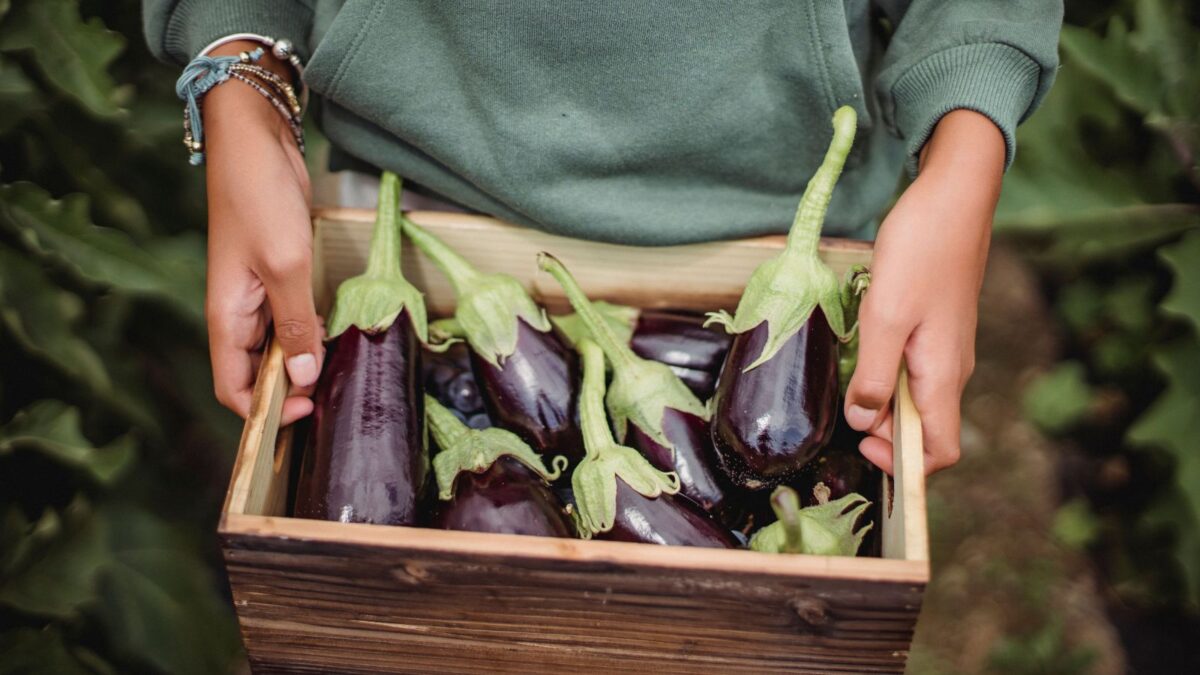
Eggplants put on a tough, glossy front, but they are secretly delicate drama queens when shoved into cold storage. Leave one in chilling conditions for six to eight days, and it will throw a total tantrum: unsightly skin pitting, depressing surface bronzing, sad brown seeds, and completely dull, lifeless flesh.
To save your dinner from a tragic fate, buy this purple diva right when recipe inspiration strikes and keep it in a cozy, cool spot. If your kitchen feels like a sauna, a quick fridge stay avoids total disaster, but cook it pronto. Treat it right to protect that signature silky goodness every single time.
Basil feels the chill below 45°F to 55°F
Fresh basil acts more like a warm-weather flower than a hardy refrigerator herb. The Utah State University Extension explicitly identifies basil as a highly sensitive crop to chilling injury, noting that cold-sensitive vegetables and fruits store best at temperatures ranging from 45°F to 55°F rather than near freezing temperatures. For the best aroma and color, trim the stems and stand the bunch in a jar of water away from direct sun. Use it soon, since tender leaves can bruise and blacken as they age.
If you need longer storage, a covered jar can go into the refrigerator as a practical fallback. Cold storage does not guarantee peak texture. For pesto night, room-temperature basil usually delivers the livelier look and fragrance.